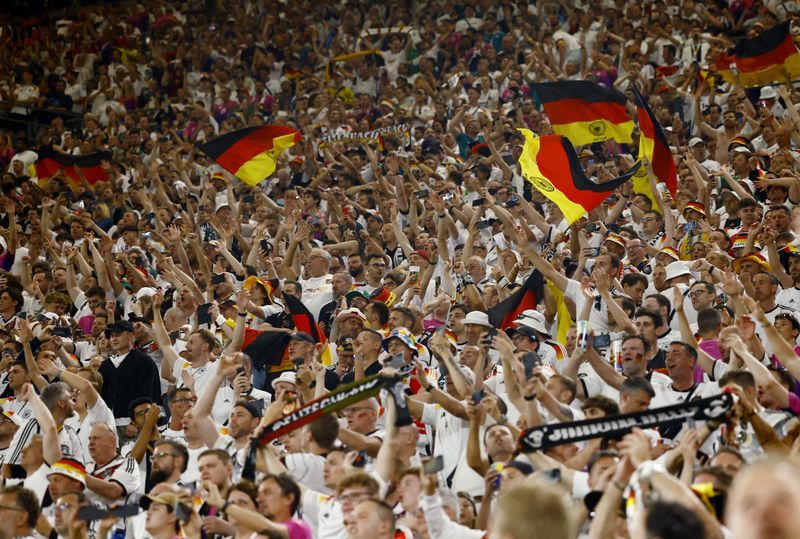
German law enforcement agencies executed coordinated searches across the country on Wednesday, targeting the headquarters of the Deutscher Fußball-Bund (DFB) and multiple other locations in connection with an expanding investigation into alleged ticketing and hospitality irregularities connected to the 2024 European Championship. According to reporting by German daily Bild, the raids represent an escalation in prosecutorial efforts to uncover potential misconduct in the distribution of match tickets and accommodation packages during the continental tournament.
The investigation centres on the suspected diversion of thousands of tickets and hotel invitations to preferred recipients outside official allocation channels. Authorities have identified suspects including at least one German national and one French national, though the full scope of involvement remains unclear. The inquiry suggests a systematic pattern rather than isolated incidents, with evidence pointing to deliberate circumvention of proper procedures for dispensing premium access to matches held across ten German host cities.
Bochum prosecutors and the North Rhine-Westphalia state criminal office jointly coordinated the operation, conducting searches at several premises throughout Germany without initially providing specifics about the DFB's involvement. However, Bild's reporting confirmed that the football association's offices were among the locations subjected to investigative scrutiny, indicating prosecutors view the organisation itself as potentially relevant to understanding how irregularities occurred.
One documented case cited by Bild illustrates the nature of suspected violations. A municipal employee from Gelsenkirchen, which hosted Euro 2024 matches, allegedly obtained tickets and travel and hotel benefits valued at approximately €2,400 (USD $2,736). Such arrangements fall outside standard ticketing mechanisms and suggest access was granted through unofficial channels that provided personal enrichment to recipients.
The investigation's formal statement references "unauthorized advantages, including a visit to an international football match," language that encompasses the broader misconduct allegedly involving accommodation and hospitality provision. This phrasing indicates prosecutors are examining a coordinated scheme rather than ad-hoc distribution errors. The involvement of hotel invitations alongside ticket distribution suggests commercial arrangements may have been manipulated to benefit specific individuals.
For Southeast Asian readers and regional observers monitoring global football governance, this scandal underscores vulnerabilities in major tournament administration that transcend geography. Euro 2024, held across Germany from June to July, drew international scrutiny as Europe's flagship football competition. The discovery of systematic ticketing violations raises questions about oversight mechanisms and accountability frameworks governing how premium access is distributed during events of this scale.
The timing of the raids, conducted in early July shortly after the tournament's conclusion, suggests investigation proceeds based on contemporaneous allegations or complaints rather than requiring lengthy post-event analysis. This indicates potential whistleblowing or intelligence gathering during the tournament itself, allowing authorities to act decisively once sufficient evidence accumulated.
The DFB's initial silence on the matter reflects standard practice when organisations face active criminal investigation. UEFA similarly declined immediate comment, though as Euro 2024's governing body, the continental federation likely possesses records and documentation that prosecutors may require. The investigation's coordination across multiple German jurisdictions suggests federal-level concern rather than localised misconduct isolated to single venues.
Ticket allocation at major tournaments represents a longstanding challenge in sports governance. Balancing allocation among supporters, media, commercial partners, and VIP guests creates opportunities for favouritism and corruption. The alleged involvement of a municipal official from a host city raises particular concerns about local officials potentially leveraging position to obtain scarce access. Such arrangements blur lines between legitimate hospitality and improper advantage-taking.
The scale of ticket distribution during Euro 2024 makes comprehensive accountability challenging but essential. With tens of thousands of matches across multiple venues and categories of seating, enforcement requires meticulous record-keeping and transparent criteria for allocations. German authorities' systematic approach suggests they have identified documentary evidence—ticket registries, hotel booking records, communication trails—that points to deliberate irregularities rather than administrative confusion.
For Malaysia and the broader Southeast Asian region, this scandal carries implications for future regional tournaments and international events hosted domestically. As nations increasingly bid to host prestigious competitions, governance structures must include safeguards preventing precisely these varieties of misconduct. The DFB case demonstrates that even well-established football nations require vigilant external oversight and robust internal compliance frameworks.
The investigation continues with prosecutors declining to release further details pending evidence assessment. Whether the inquiry expands to implicate additional individuals or organisations remains to be determined. The case illustrates how post-tournament examinations frequently uncover wrongdoing committed during event operations, validating the importance of independent auditing and investigative oversight of major sporting events.

