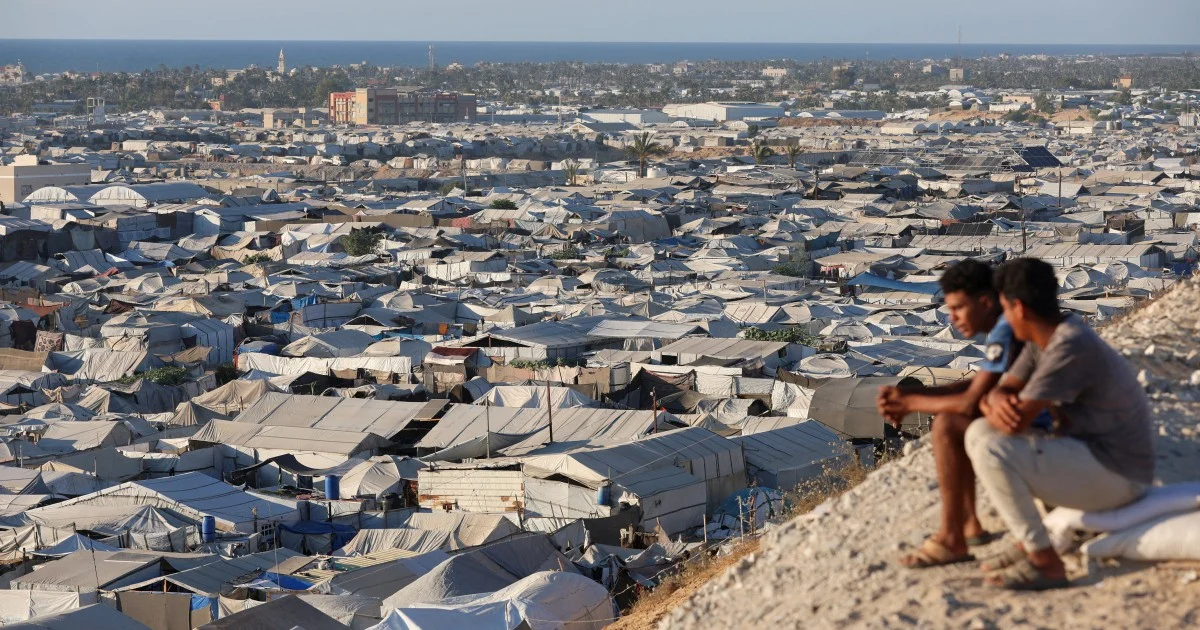
The United Nations has levelled a scathing assessment at the ceasefire arrangement in Gaza, characterising it as a "deadly illusion" that masks the reality of continued violence claiming young lives. According to the UN's stance disclosed from Geneva, the nominal ceasefire that took effect more than eight months prior has failed to provide the protection it promised, particularly for the region's most vulnerable population. The damning indictment comes as documented evidence accumulates of significant harm befalling children despite the supposed cessation of hostilities.
The figure of 265 children killed represents a stark indicator that the ceasefire exists primarily in name rather than in observable practice. This toll underscores the gap between formal agreements and their implementation on the ground, a pattern increasingly familiar across conflict zones worldwide. The persistence of violence against civilians, and especially minors, suggests that either the ceasefire terms lack adequate enforcement mechanisms or that various actors continue operations outside the agreement's intended scope.
For Southeast Asian observers and policymakers, the Gaza situation offers cautionary lessons about the limitations of political settlements that lack robust monitoring and enforcement provisions. The experience demonstrates how humanitarian crises can continue unabated despite international agreements, a concern relevant to regional stability and conflict prevention efforts. Malaysia and other ASEAN nations, which have historically advocated for peaceful dispute resolution, must consider what safeguards make ceasefire arrangements credible and enforceable.
The UN's characterisation reflects growing frustration with the humanitarian toll persisting in Gaza despite months of international diplomatic engagement. The specific focus on child mortality amplifies the moral urgency of the situation, as children constitute a wholly innocent population unable to participate in or influence the conflict that claims their lives. This aspect resonates across cultures and borders, making it a compelling frame for international attention and pressure.
The allegation that the ceasefire functions as an "illusion" suggests deliberate misrepresentation or fundamental disconnection between stated agreements and operational reality. Whether this stems from lack of political will, insufficient peacekeeping presence, or other structural factors remains subject to investigation. Regardless, the outcome reflects a system where formal peace mechanisms fail to translate into tangible protection for civilians.
The eight-month timeframe since the ceasefire's declaration places the ongoing deaths within an extended period where expectations for civilian safety should reasonably have matured. The continuation of such losses after months of supposed peace raises questions about the agreement's comprehensiveness and the commitment of all parties to its terms. This extended duration also means the suffering has persisted through what should have been a consolidation period for peace gains.
From a regional perspective, the Gaza ceasefire's collapse in humanitarian outcomes serves as a reminder that proximity to conflict zones affects entire regions. The instability and suffering in the Middle East influence global refugee movements, international relations, and humanitarian resource allocation—factors that eventually touch Southeast Asian communities and interests. A ceasefire that exists only nominally fails to provide the regional stabilisation that all countries require for orderly international relations.
The UN's direct and pointed criticism signals that the international organisation is shifting from passive observation toward more forceful accountability messaging. This rhetorical escalation may reflect frustration with the situation's trajectory or a strategic choice to amplify pressure on parties to the conflict. For Malaysia and other nations monitoring the situation, such language shift indicates deteriorating confidence in current diplomatic tracks.
The specific focus on child fatalities also implicates broader questions about the nature of the conflict itself—whether civilian protection mechanisms are being deliberately violated or whether the conflict's character makes such protection inherently impossible. This distinction matters for understanding potential solutions and the types of international intervention that might be effective. It also affects how the international community frames its response and what measures it contemplates for the future.
Moving forward, the UN's assessment suggests that current approaches have reached their limits in achieving actual ceasefire compliance. This may necessitate entirely different frameworks, including enhanced monitoring mechanisms, conditional economic incentives, or security guarantees that make adherence more compelling than continued hostilities. For regional states, understanding these implementation challenges becomes crucial as similar situations potentially emerge elsewhere.
The characterisation of the ceasefire as a "deadly illusion" also challenges the narrative of progress that has sometimes accompanied announcements of peace agreements. It serves as a corrective to optimism bias in international relations, where formal agreements often receive credit despite minimal practical impact. This transparency, while sobering, enables more realistic policymaking by distinguishing between symbolic achievements and substantive change.
Ultimately, the persistence of child deaths within a supposedly peaceful arrangement represents a failure of the international system to protect its most vulnerable members during acknowledged periods of reduced hostilities. This failure demands explanation and remedy, whether through strengthened enforcement of existing agreements or fundamentally reconceived approaches to achieving genuine civilian protection. For Malaysia and Southeast Asia, the situation underscores why regional mechanisms for conflict prevention and management remain indispensable complements to global institutions.

