The Malaysian Defence Ministry will release its full investigation report into a deadly grenade explosion that killed two military personnel at Hobart Camp Firing Range in Gurun, Kedah, with Defence Minister Datuk Seri Mohamed Khaled Nordin confirming the document should arrive by July 23. The incident, which occurred during a training exercise last month, has prompted a comprehensive safety review across Malaysia's armed forces and triggered temporary restrictions on similar drills nationwide.
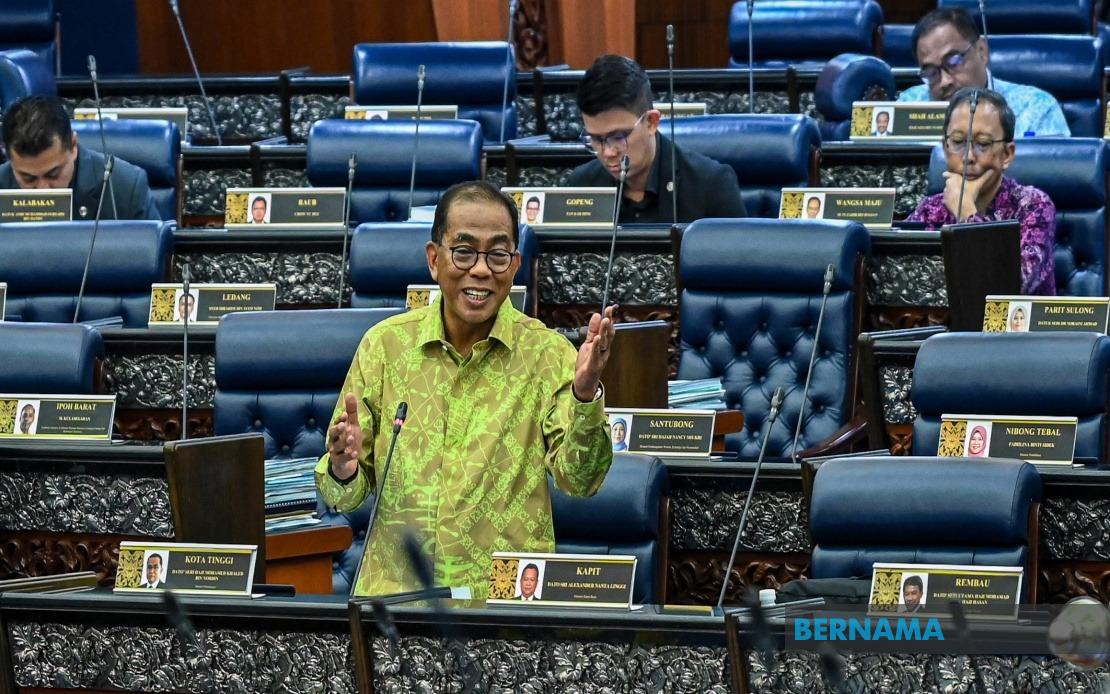
Mohamed Khaled provided an update to parliament on the progress of the board of inquiry established immediately after the blast. He stressed that thoroughness remains essential for understanding the true cause, indicating that investigators need additional time to gather complete testimonies and examine all technical and procedural dimensions. The ministry received an initial report from the Army Western Field Command Headquarters on July 13, but reviewers identified gaps requiring further witness interviews and potentially supplementary statements from additional personnel present during the training exercise.
The explosion occurred at approximately 10:57 am on June 16 during a Combat Enhancement Training exercise conducted by the 1st Squadron of the Royal Engineer Regiment. Lance Corporal Siti Khadijah Sungip and Sergeant Norazmi Abu Bakar, the supervising instructor, sustained catastrophic injuries within a training bunker and died in transit to Sultan Abdul Halim Hospital in Sungai Petani. Both deaths marked a rare but serious breach in military training safety protocols, raising questions about existing safeguards and explosive handling procedures across the Malaysian Armed Forces.
In immediate response, Army Chief General Tan Sri Azhan Md Othman issued directives halting all grenade-throwing exercises temporarily while commanding a comprehensive inspection of remaining grenades within the regiment. This suspension reflects standard military procedure following fatal accidents and allows time for investigators to determine whether the incident stemmed from equipment failure, human error, procedural deviation, or defective explosives. Such caution is particularly important given the military's reliance on live-fire training to maintain operational readiness.
Beyond the inquiry itself, the Defence Ministry has initiated several structural improvements aimed at preventing recurrence. Installation of closed-circuit television cameras at firing ranges will create permanent visual records of training activities, enabling faster incident reconstruction and potential accountability measures. Body-worn cameras worn by instructors and participants will add another layer of documentation, capturing perspectives from multiple angles during exercises. These technological enhancements align with global military standards and reflect lessons learned from training accidents in other nations' armed forces.
Another significant preventive measure involves introducing a comprehensive casting and lifetime management policy for ammunition and explosives across military inventory. Many training incidents worldwide trace to ammunition beyond its certified service life, which can develop manufacturing defects or chemical instability over time. By systematically tracking and retiring expired munitions, the Malaysian Armed Forces can substantially reduce the risk of unexpected detonations or malfunctions during drills. This policy requires coordination between supply chains, unit-level storage facilities, and range safety personnel.
The investigation and subsequent remedial actions carry implications extending beyond the defence establishment. Military training accidents, particularly those involving fatalities, often trigger parliamentary scrutiny and public concern about broader institutional safety culture. The transparency demonstrated by Mohamed Khaled in providing regular updates to Dewan Rakyat reflects democratic accountability expectations. The incident occurred against a backdrop of national development programmes involving significant military modernisation and expanded training operations, making safety assurance a political as well as operational priority.
For Malaysia's defence sector and regional military observers, the case underscores ongoing challenges in balancing operational readiness with risk management. Armed forces across Southeast Asia conduct intensive training regimens essential for preparedness, yet explosive-related incidents remain an occupational hazard despite strict protocols. The Malaysian response—comprehensive investigation coupled with systemic improvements—represents a measured approach to addressing root causes rather than simply implementing reactive restrictions.
The parliamentary inquiry that prompted Mohamed Khaled's statement came from Datuk Mohd Isam Mohd Isa representing Tampin, reflecting constituent interest in military transparency and safety. Such legislative oversight ensures defence ministry decisions withstand public and political scrutiny, particularly when service members lose lives during peacetime training. The focus on both causation and prevention demonstrates recognition that understanding what went wrong matters as much as preventing future incidents.
Malaysian military training exercises occur regularly across numerous facilities, from Hobart Camp to ranges nationwide, involving thousands of service members annually. A single fatal accident, while tragic, remains statistically uncommon—yet each fatality represents preventable loss of trained personnel and family tragedy. The enhanced safety measures announced reflect this understanding, positioning the defence establishment as genuinely committed to learning from accidents rather than dismissing them as inevitable occupational risks.

