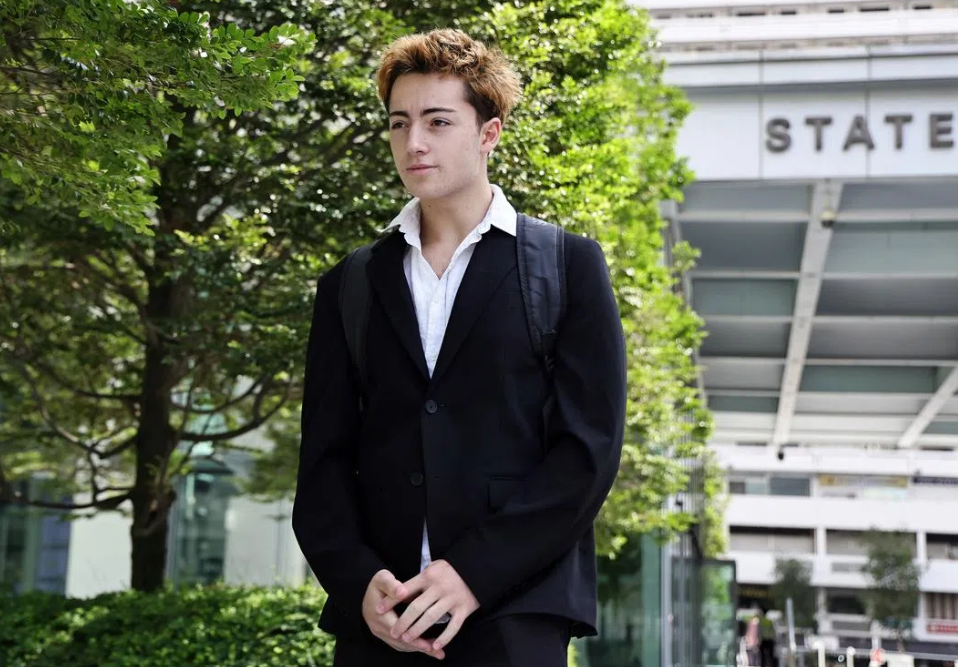
A 19-year-old French national residing in Singapore is poised to enter a guilty plea on July 13 in connection with an incident involving the deliberate contamination of a beverage machine straw at a shopping centre, followed by the public distribution of a video documenting the act. Didier Gaspard Owen Maximilien faces charges of committing mischief and being a public nuisance stemming from the March 12 incident at Goldhill Centre on Thomson Road.
According to court documents, Maximilien allegedly removed a single-use straw from an iJooz vending machine—a system designed to dispense freshly squeezed orange juice—placed it in his mouth, and subsequently returned the contaminated item to the dispenser. The teenage defendant then reportedly recorded himself performing this action and distributed the footage across social media platforms, where it quickly accumulated views and triggered widespread online discussion.
The iJooz brand has built its reputation around hygienic beverage dispensing, with machines positioned across retail locations throughout Singapore. The gravity of the alleged contamination became apparent when company officials determined that food safety protocols necessitated the complete replacement of all 500 straws contained within the affected dispenser. This significant operational consequence underscores both the hygiene risks posed by such actions and the commercial impact of deliberate contamination incidents on service providers.
When the video surfaced online on March 12, it generated considerable negative attention within Singapore's digital community. Netizens expressed alarm regarding beverage machine safety and questioned the reliability of public vending dispensers in shared commercial spaces. The incident sparked broader conversations about personal responsibility and the consequences of actions recorded and disseminated through social media without consideration for potential public health implications.
Maximilien was formally charged in April following an investigation into the matter. The two charges he faces carry distinct legal consequences under Singapore law. The mischief charge, which addresses his deliberate contamination of the machine, carries a maximum prison sentence of two years, potential financial penalties, or a combination of both. The public nuisance charge, reflecting the distress and concern his actions caused among the wider community, carries maximum penalties of three months imprisonment, a fine not exceeding $2,000, or both.
The case illustrates growing concerns across Southeast Asia regarding the intersection of social media culture and public safety. Incidents where individuals deliberately contaminate food or beverage products for online content have become increasingly documented in the region, prompting authorities and business owners to implement enhanced security measures. Shopping centres and food establishments have responded by installing additional surveillance equipment and implementing stricter protocols around machine maintenance and straw dispensing systems.
For Malaysian readers and businesses operating within the region, this Singapore case provides important context regarding jurisdictional approaches to food safety violations and hygiene-related offences. While Malaysia's framework for handling such incidents operates under different statutory provisions, the underlying principle remains consistent: contamination of food items, whether through direct contact or facilitation of unsafe conditions, constitutes a serious breach of public health standards. Local authorities in Malaysia have similarly demonstrated zero tolerance toward such actions, particularly when amplified through social media distribution.
The expected guilty plea in July suggests that Maximilien and his legal representatives have assessed the evidence against him and determined that contesting the charges presents limited prospects. His acceptance of responsibility may factor into sentencing considerations, potentially resulting in a more lenient outcome than if the case proceeded to trial and resulted in a conviction. Singapore courts typically view early guilty pleas as demonstrating remorse and respect for the judicial process, factors that may mitigate the final penalty imposed.
This incident also reflects broader challenges faced by public-facing commercial establishments across Southeast Asia. Vending machine operators, juice bars, and beverage dispensers have become targets for individuals seeking viral social media content, sometimes with deliberate disregard for health and safety implications. Business associations throughout the region have begun advocating for stronger legislative protections and enhanced penalties for deliberate food contamination incidents, arguing that existing frameworks may not adequately deter such behaviour.
The timeline from March 12 incident to July court appearance represents approximately four months—a relatively expedited processing period that reflects Singapore's efficient judicial system. Malaysian businesses and consumers should note that similar incidents in their jurisdiction would likely result in parallel investigations under the Food Act 1983 and related legislation, potentially resulting in even more severe consequences for perpetrators, particularly if commercial foodstuff or equipment valued significantly is involved.
For the broader hospitality and beverage service industry throughout Malaysia and Singapore, cases such as this underscore the importance of transparent communication with consumers regarding hygiene standards and rapid response protocols when contamination incidents occur. Companies have increasingly adopted visible security measures and quality assurance procedures designed to reassure customers of product safety, recognizing that public confidence in vending machines and self-service dispensers depends upon demonstrated commitment to sanitation standards and swift remedial action when breaches are identified.

