France has escalated its crackdown on wildfire-related offences, with authorities announcing the arrest of 308 individuals since the beginning of the fire season. Interior Minister Laurent Nunez disclosed the figure to French broadcaster RTL on Friday, characterising the number as exceptionally high and reflecting the severity of the crisis gripping the country.
The breakdown of these arrests reveals a troubling pattern of deliberate fire-setting. Approximately two-thirds of those detained are suspected of committing arson, suggesting that a substantial portion of France's wildfire burden stems from intentional criminal activity rather than natural causes or negligence alone. This finding underscores the dual challenge facing French law enforcement: not only must they manage the environmental catastrophe itself, but they must also investigate and prosecute those responsible for deliberately igniting dangerous fires.
Among the 308 arrested individuals, a significant number face serious legal consequences. The Interior Ministry clarified that 127 of those taken into custody were minors, a figure that raises questions about youth involvement in fire-setting and the social or psychological factors driving such behaviour. More gravely, 33 individuals have already been placed in pretrial detention, are awaiting trial, or have received convictions, indicating that the judicial system is actively processing these cases and holding offenders accountable.
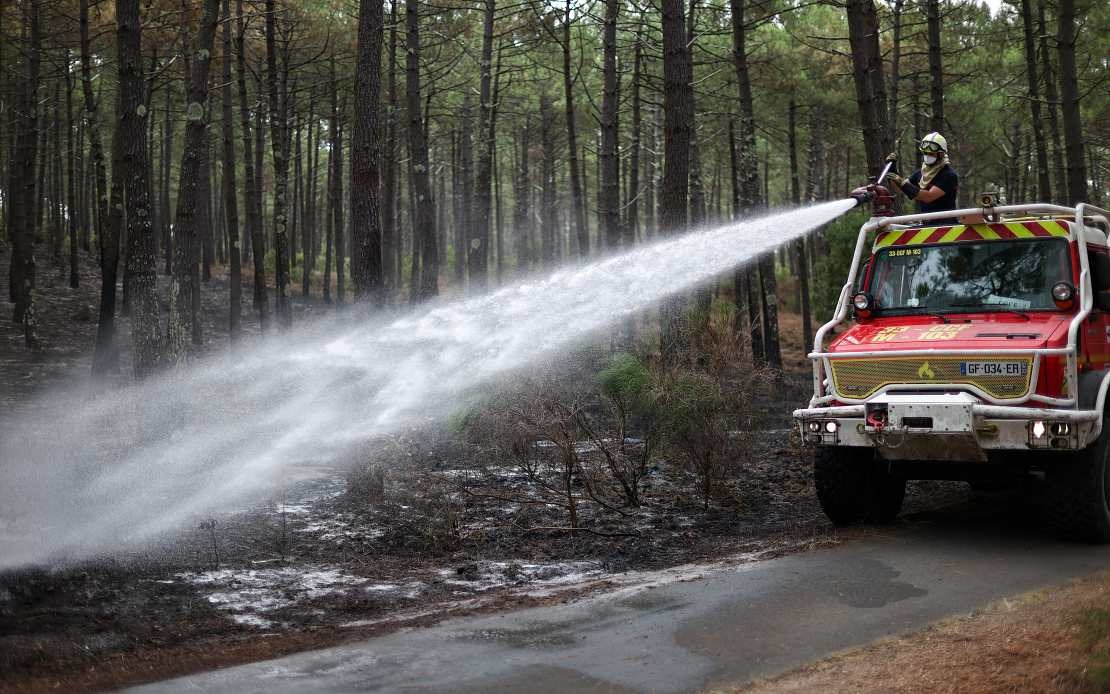
The scale of destruction continues to dominate headlines, particularly regarding the catastrophic wildfire in the southwestern Gironde department, which has consumed nearly 42,000 hectares of land. To contextualise this figure for Malaysian readers: this area exceeds the combined size of Kuala Lumpur and Selangor combined, illustrating the immense environmental toll. While Nunez indicated that the fire had stabilised, he cautioned that full containment had not yet been achieved, with several active hotspots continuing to demand suppression efforts from firefighting teams.
Despite the ongoing struggle against the flames, a glimmer of hope emerged for displaced residents as authorities began permitting larger numbers to return home. French broadcaster BFMTV reported that an additional 84,000 residents in nine municipalities surrounding Bordeaux received clearance to return to their dwellings, a significant step towards normalcy for communities devastated by evacuation orders.
Nunez's assessment of the trajectory conveyed cautious optimism to the public. In comments to BFMTV on Thursday, he suggested that the worst phase of the crisis may have passed, with conditions gradually improving across the affected regions. However, he simultaneously stressed the necessity for sustained vigilance, warning that complacency could prove dangerous given the volatile nature of summer weather conditions and the continued presence of fire hazards.
The broader geographic picture reflects the intensity of France's wildfire season. According to Meteo-France's current alert mapping, 29 departments remain under orange-level wildfire alerts, signalling that the threat persists across a vast swathe of the nation. This widespread alert status indicates that even areas beyond the most severely impacted zones face elevated risk and require preventive measures.
The context of these arrests assumes particular significance when viewed through the lens of climate change and evolving security concerns. Southern European nations, including France, have experienced increasingly ferocious fire seasons in recent years as temperatures rise and drought conditions intensify. The discovery that a substantial portion of fires result from deliberate acts raises uncomfortable questions about whether some individuals are exploiting climatic vulnerability for criminal purposes, whether through revenge, insurance fraud, or other motivations.
For Southeast Asian observers, the French experience offers instructive parallels. Malaysia and its neighbouring countries periodically confront transboundary haze crises, often linked to deliberate land-clearing fires in Indonesia. While the underlying drivers differ—agricultural expansion rather than urban criminality—both contexts highlight how fire can become a tool of either commercial interest or malice, and how detection and prevention require comprehensive law enforcement strategies.
The French government's aggressive prosecution approach demonstrates that holding individuals accountable remains a central pillar of crisis management. By publicising arrest figures and judicial outcomes, authorities send a deterrent message while simultaneously appearing responsive to public concerns about criminal culpability. This transparency contrasts with some jurisdictions where wildfire causes remain obscured or deprioritised in official narratives.
Looking ahead, the French model of combining suppression efforts with rigorous criminal investigation suggests that modern wildfire management demands integrated responses spanning environmental, law enforcement, and judicial domains. As climate patterns shift globally and fire seasons lengthen, comparable strategies may prove increasingly vital for governments across Asia-Pacific seeking to protect their populations and ecosystems from both natural and human-induced conflagrations.

