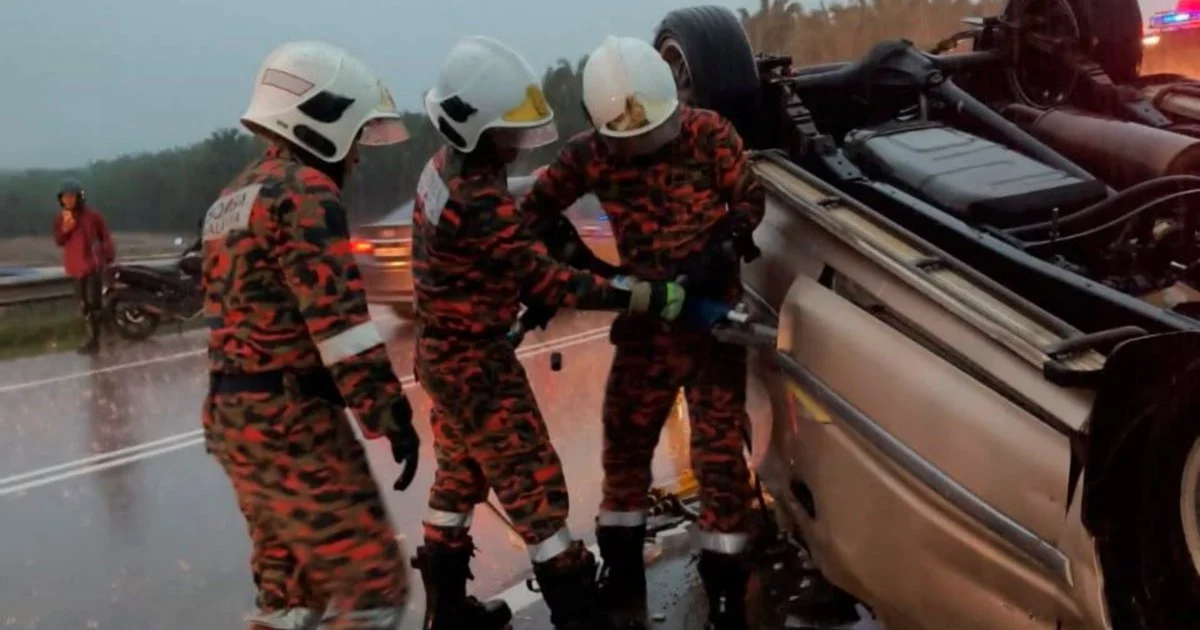
A tragic sequence of traffic incidents claimed four lives in Pahang on Sunday, with two sisters among the deceased in accidents that unfolded in Maran and Pekan less than sixty minutes apart. The proximity of the two crashes has drawn attention to the treacherous road conditions and traffic patterns in the east coast state, where major highways connect multiple population centres and carry significant commercial traffic alongside regular commuter volumes.
The first collision occurred in Maran, a district located south of the state capital Kuantan, killing occupants of the vehicles involved. Shortly thereafter, a second accident transpired in Pekan, the royal town situated further north along the same coastal corridor. Emergency responders mobilised to both sites, where rescue operations involved extracting trapped passengers and providing medical assistance to the injured. The rapid succession of fatal incidents within a single hour underscores the unpredictable nature of road emergencies and the cascading consequences of traffic accidents across busy transportation corridors.
That two sisters perished in separate crashes—rather than together in a single vehicle—compounds the tragedy for their family and raises questions about whether the incidents were connected or entirely coincidental. The sisters' presence among the fatalities has drawn media attention and heightened public awareness of the accidents, as families and communities in both districts grapple with the loss. Local authorities have begun preliminary investigations to determine the exact causes of each collision, examining factors such as vehicle conditions, driver behaviour, and prevailing road and weather conditions at the time.
Pahang's highway network, particularly the routes linking Maran and Pekan through the central districts, experiences substantial traffic flows from both personal vehicles and commercial transport. During peak travel periods and weekends, congestion and driver fatigue frequently contribute to accident statistics. The state has witnessed numerous fatal crashes in recent years, prompting recurring calls from road safety advocates for enhanced enforcement of speed limits, stricter penalties for traffic violations, and improved road infrastructure maintenance.
The investigation teams will examine critical elements including vehicle maintenance records, speed calculations based on skid marks and debris patterns, and witness statements from other road users present at each scene. Toxicology reports may be conducted if alcohol or substance impairment is suspected. Security camera footage from nearby establishments or toll plazas could provide additional context regarding the moments preceding each collision. These investigative procedures typically require several weeks to complete, after which authorities issue preliminary reports on causation.
Road fatalities across Malaysia remain a persistent public health concern, with the nation recording hundreds of deaths annually from traffic incidents. Pahang, as a state with extensive highway networks and rural areas where speed limits are frequently exceeded, has historically recorded accident rates above the national average. Tourism traffic during school and public holidays further strains the road infrastructure and driver attention resources, particularly during inter-state travels.
The incidents in Maran and Pekan reflect broader patterns observed across Southeast Asia, where inadequate road infrastructure, limited enforcement capacity, and rising vehicle ownership create hazardous conditions. Regional road safety initiatives have emphasised the importance of public awareness campaigns, driver education programmes, and technological interventions such as vehicle collision avoidance systems. However, implementation gaps between policy recommendations and on-the-ground enforcement continue to limit effectiveness.
Family members of the four deceased have begun grieving processes complicated by the sudden and violent nature of the deaths. The loss of two sisters in separate accidents creates additional trauma for relatives who must cope with multiple funerals and memorial arrangements. Community support networks in both Maran and Pekan districts are expected to mobilise resources for the bereaved families during the immediate aftermath and extended mourning period.
Authorities have indicated that traffic accident investigations will continue over the coming weeks, with public statements expected once preliminary findings are established. Road safety experts anticipate that detailed analysis of these accidents may yield insights into specific hazard points along the Maran-Pekan corridor, potentially leading to recommendations for improved signage, road markings, or enforcement deployments. The tragic incidents serve as renewed reminders for all road users to observe speed regulations, maintain focus on driving tasks, and remain vigilant regarding other vehicles and environmental hazards.

