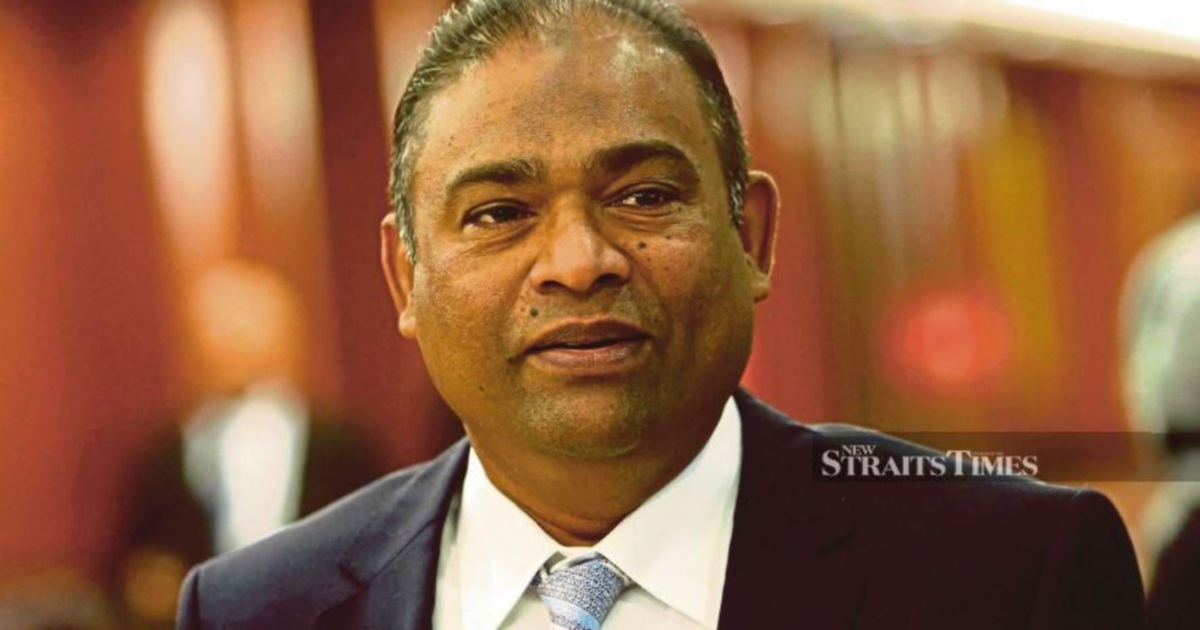
The family of former Tabung Haji chairman Datuk Seri Abdul Azeez Abdul Rahim moved swiftly to publicly refute claims that the senior executive had been arrested by the Malaysian Anti-Corruption Commission, with his son Mohamed Khairul Azman stepping forward to issue a formal denial. The clarification came amid widespread media speculation about the circumstances surrounding the prominent business figure, whose name had circulated in connection with anti-corruption investigations affecting one of Malaysia's oldest and most significant financial institutions.
Tabung Haji, formally known as Lembaga Tabung Haji, occupies a crucial position within Malaysia's Islamic finance ecosystem, managing the savings and pilgrimage funds of hundreds of thousands of Malaysian Muslims. The organization has faced mounting scrutiny in recent years over governance concerns and operational inefficiencies that have raised questions about the stewardship of public assets. Any development involving senior leadership figures at the institution carries significant implications for public confidence in how the organization manages its responsibilities.
The denial by Mohamed Khairul Azman represents an important moment of clarification in what had become an increasingly murky situation, with conflicting reports emerging from various sources regarding his father's interactions with law enforcement authorities. Such rapid-response family statements are typically issued only when there is perceived risk of substantial reputational damage or when inaccurate information threatens to take hold in the public consciousness. The fact that the family felt compelled to issue an immediate contradiction suggests the seriousness with which they viewed the initial reporting.
Tabung Haji's leadership transitions have attracted considerable media attention and public discussion, particularly given the organization's role in facilitating pilgrimages to the holy cities of Mecca and Medina for Malaysian Muslims. The pilgrimage fund serves both a spiritual and financial function, and any questions about its governance or the integrity of those managing it inevitably spark broader concerns about institutional accountability and fiduciary responsibility. These concerns resonate deeply within Malaysian Muslim communities who entrust their savings to the organization.
The emergence of conflicting narratives in news reporting highlights the challenges facing Malaysian media in covering sensitive stories involving high-ranking business and government-linked figures. Initial reports that provoked the family's response likely originated from unverified sources or misinterpretations of actual events. The distinction between voluntary cooperation with investigators, summonses, questioning, and formal arrest carries substantial legal and reputational weight, and conflation of these different categories can cause significant harm to individuals and institutions.
Anti-corruption investigations involving major financial institutions attract intense scrutiny from multiple stakeholder groups, including regulators, legislatures, and the public. The Malaysian Anti-Corruption Commission maintains broad investigative authority and investigates matters affecting government-linked companies like Tabung Haji. However, the commission's procedures require careful distinction between various stages of inquiry, from preliminary investigations through questioning of witnesses and subjects to formal enforcement actions. Public understanding of these distinctions remains crucial for maintaining confidence in the institution.
The clarification issued by Mohamed Khairul Azman serves as a reminder of the importance of precision in reporting matters of governance and law enforcement. Confusion about whether an individual has been arrested versus questioned or voluntarily cooperated with investigators can persist in public memory long after corrections appear. This dynamic underscores the responsibility of news organizations to verify information thoroughly before publication, particularly when reporting involves prominent figures and sensitive institutions.
For Malaysian investors, pilgrims, and those who maintain savings with Tabung Haji, developments affecting institutional leadership generate natural concerns about continuity and competence. The organization operates within a complex regulatory framework involving both Islamic finance principles and conventional corporate governance standards. Any disruption to leadership, whether through investigation or transition, can create periods of uncertainty that warrant clear communication from institutional authorities.
The incident also raises broader questions about how Malaysian institutions handle communication during sensitive periods. Prompt, clear responses to inaccurate reporting, supported by factual detail where appropriate, help stabilize public understanding and prevent misinformation from taking root. Both Tabung Haji itself and the family of Datuk Seri Abdul Azeez Abdul Rahim would benefit from ensuring that accurate information about his status and any interactions with authorities reaches the public quickly through appropriate channels.
Moving forward, sustained focus on institutional governance at Tabung Haji will remain important given the organization's significant role in Malaysian Islamic finance and the high expectations society places on stewards of public funds. The clarification regarding the former chairman's status represents one data point in a larger conversation about accountability, transparency, and institutional integrity that will likely continue to engage Malaysian regulators, policymakers, and civil society observers in coming months.

