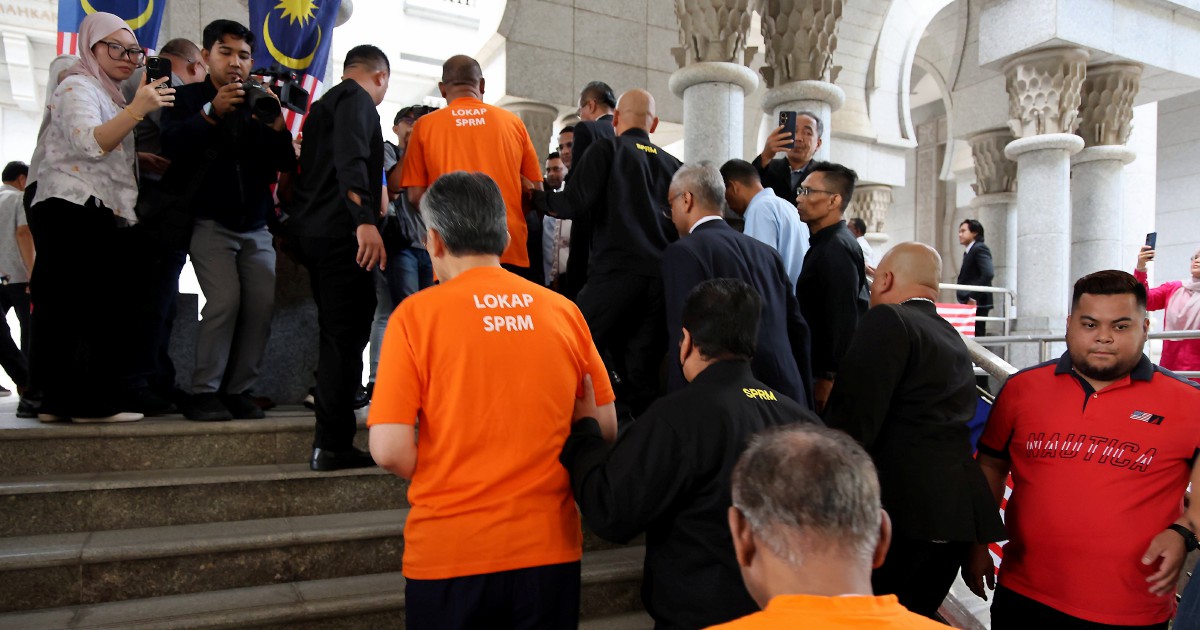
The Malaysian Anti-Corruption Commission has successfully obtained a court-authorised extension of four days to continue detaining a former chief executive of Tabung Haji, intensifying its probe into suspected misconduct at the Islamic pilgrimage fund. The extended remand, granted in Putrajaya, signals authorities' determination to pursue investigations into the administration of one of Malaysia's largest financial institutions entrusted with managing hajj savings for millions of Muslims.
Tabung Haji, formally known as the Lembaga Tabung Haji, oversees billions of ringgit in deposits from Malaysians saving for the Islamic pilgrimage to Mecca. The fund's integrity is considered crucial to public confidence in Islamic financial institutions and Malaysia's broader reputation as a steward of hajj-related services across Southeast Asia. The detention of a former top executive reflects growing scrutiny into how such sensitive institutions are governed and the accountability mechanisms that protect depositors' interests.
The investigation appears connected to a Royal Commission of Inquiry that examined Tabung Haji's operations, governance structures, and financial management practices. Such commissions are typically established when concerns emerge about institutional integrity or public fund stewardship, suggesting that serious irregularities may have prompted the MACC's intervention. The scope of the inquiry remains under wraps, but investigators' persistence in seeking extended custody indicates the complexity of the case and the volume of evidence requiring examination.
Former senior executives at major Malaysian institutions have faced intense scrutiny in recent years, reflecting broader reforms in accountability standards. The MACC's aggressive pursuit of the case demonstrates the anti-graft body's mandate to investigate potential breaches regardless of an individual's seniority or past status. For Tabung Haji depositors—who number in the millions and span diverse economic backgrounds—such investigations carry direct implications for their financial security and trust in institutional oversight.
The timing of such investigations also reflects evolving expectations among Malaysian policymakers and the public regarding corporate governance standards in state-linked organisations. Financial institutions managing public resources face heightened expectations to demonstrate transparent decision-making and robust internal controls. Tabung Haji's prominence in the Islamic finance ecosystem means that governance lapses could reverberate across Malaysia's Islamic banking sector and affect investor confidence regionally.
Malaysia has intensified corruption investigations across sectors in recent years, signalling a shift toward stricter enforcement regardless of an individual's previous position or influence. The willingness of courts to grant remand extensions—particularly for cases involving senior figures—underscores judicial support for thorough investigative processes. This approach aligns with Malaysia's commitment to regional anti-corruption initiatives and international standards for combating financial misconduct.
The four-day extension provides investigators additional time to examine records, conduct interviews, and consolidate evidence. Such periods are critical in complex financial investigations where the subject matter often involves numerous transactions, departmental decisions, and documentary trails spanning years. Investigators will likely focus on procurement practices, investment decisions, regulatory compliance, and the alignment of institutional decisions with fiduciary responsibilities.
For Malaysian financial sector observers, the case serves as a reminder that no institution—regardless of religious significance or public trust mandate—operates outside accountability frameworks. The investigation may ultimately influence how Tabung Haji restructures its governance models, audit procedures, and oversight mechanisms. Enhanced transparency and clearer segregation of duties between decision-making and oversight functions could emerge as corrective measures if wrongdoing is substantiated.
The detention also carries implications for Tabung Haji's operational continuity and public messaging. The institution must reassure millions of depositors that their savings remain secure and that management operates with their interests paramount. Institutional leadership will likely face pressure to demonstrate that governance improvements are underway and that the investigation does not undermine the fund's ability to fulfil its mandate of facilitating hajj pilgrimage for eligible Malaysians.
Regionally, the case reflects Southeast Asia's broader struggle with corruption across state-linked enterprises and financial institutions. Malaysia's willingness to investigate senior officials sends a signal to the region about enforcement credibility and institutional independence. The case may also influence how other Southeast Asian nations approach investigations into their own pilgrimage funds and Islamic financial institutions, potentially prompting reviews of governance structures and accountability mechanisms.
As the investigation progresses, additional details about the specific allegations and individuals involved may emerge. The four-day remand extension suggests this case will likely consume considerable investigative resources and court time over coming weeks. For stakeholders in Malaysia's Islamic finance sector and for Tabung Haji depositors, the outcome will carry significance far beyond the individual concerned, potentially reshaping expectations for institutional accountability across the financial services landscape.

