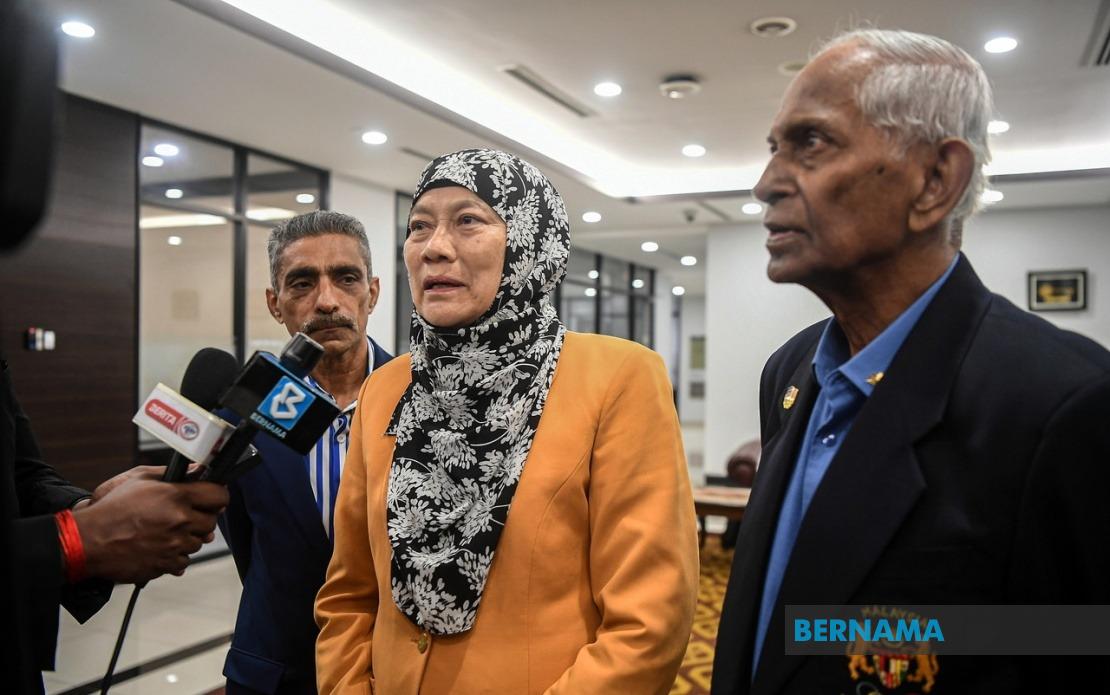
Former Sports Commissioner Datuk Zaiton Othman has issued a stark warning to Malaysia Athletics, insisting that the national governing body must substantially overhaul its administrative systems and demonstrate unwavering compliance with both its own constitution and the standards mandated by World Athletics. Speaking in Kuala Lumpur on June 23, Zaiton cautioned that any modifications to Malaysia Athletics' framework that deviate from the world body's requirements could trigger serious repercussions, potentially culminating in the suspension or complete revocation of the organisation's registration.
The implications of such sanctions extend far beyond administrative inconvenience. Should Malaysia Athletics face disciplinary action from World Athletics, the nation would be rendered ineligible to host track and field competitions during the 2027 Southeast Asian Games, a prospect that troubles officials given Malaysia's scheduled role as host nation. More immediately, Malaysian athletes would lose access to internationally sanctioned competitions overseen by World Athletics, effectively sidelined from the global athletics calendar and unable to compete for their nation in prestigious events.
Zaiton, herself a decorated former national athlete who earned the sobriquet 'Iron Woman' during her heptathlon career, stressed the critical importance of athletics to Southeast Asia's premier sporting competition. Track and field events constitute a substantial medal haul at the SEA Games, delivering 47 gold medals across various disciplines. Beyond the headline-grabbing 100 metres sprint and the 4x100 metres relay, athletics represents a cornerstone of regional sporting achievement, second only to swimming and shooting in terms of medal contribution to the games.
The governance concerns were formally raised during a parliamentary meeting between representatives of Reformation in Sports and Excellence (RISE) and Youth and Sports Minister Dr Mohammed Taufiq Johari. Accompanying Zaiton at this engagement were Olympian Datuk Karu Selvaratnam and Datuk Noorul Ariffin Abdul Majeed, former chairman of the National Athletes Welfare Foundation, underscoring the seriousness with which the sporting establishment views the situation.
Zaiton articulated a fundamental concern shared among Malaysia's athletic community: the prospect of governance failures undermining the competitive performance of national athletes on the international stage. Former sportspeople and Olympians rallied behind the push for constitutional reform, motivated by anxiety that administrative turmoil might hamper the preparation and participation of Malaysian track and field competitors. The delegation's intervention reflects a broader recognition that institutional stability directly influences athlete welfare and national competitiveness.
While government ministries cannot typically interfere directly in the internal administration of sports organisations, Malaysian law provides recourse through the Sports Development Act 1997. This legislation grants both the Ministry of Youth and Sports and the Sports Commissioner authority to monitor compliance and impose disciplinary measures when sports bodies breach the regulatory framework. This legal architecture creates space for official intervention without violating the principle of sporting autonomy.
The constitutional crisis at Malaysia Athletics stems partly from recent leadership developments. MA President Karim Ibrahim took a temporary leave from his administrative responsibilities in advance of the organisation's Annual General Meeting, scheduled for later in June, to facilitate amendments bringing Malaysia Athletics' constitution into full alignment with World Athletics' foundational documents. This procedural pause acknowledged that existing structures contained provisions inconsistent with international standards.
Karim's position had already attracted international scrutiny following his 2018 suspension by World Athletics—a penalty upheld on appeal by the Court of Arbitration for Sport. Despite this disciplinary record at the global level, Karim retained eligibility to serve on the Asian Athletics Federation Executive Council throughout the 2019-2023 term, a distinction that highlighted the compartmentalised nature of sanctions in sports governance. Nevertheless, the World Athletics suspension cast a shadow over his continued leadership of the national federation, raising questions about whether institutional credibility could be restored under his stewardship.
The situation underscores a persistent tension within Malaysian sports administration: the need to balance institutional reform with continuity of leadership, and the challenge of aligning domestic sporting structures with increasingly stringent international standards. For athletes and sporting officials alike, the resolution of Malaysia Athletics' constitutional deficiencies represents not merely a bureaucratic necessity but a foundational requirement for the nation's athletic future. Without swift remedial action, Malaysia risks exclusion from the very competitions that provide platforms for its sporting talent and international recognition.

