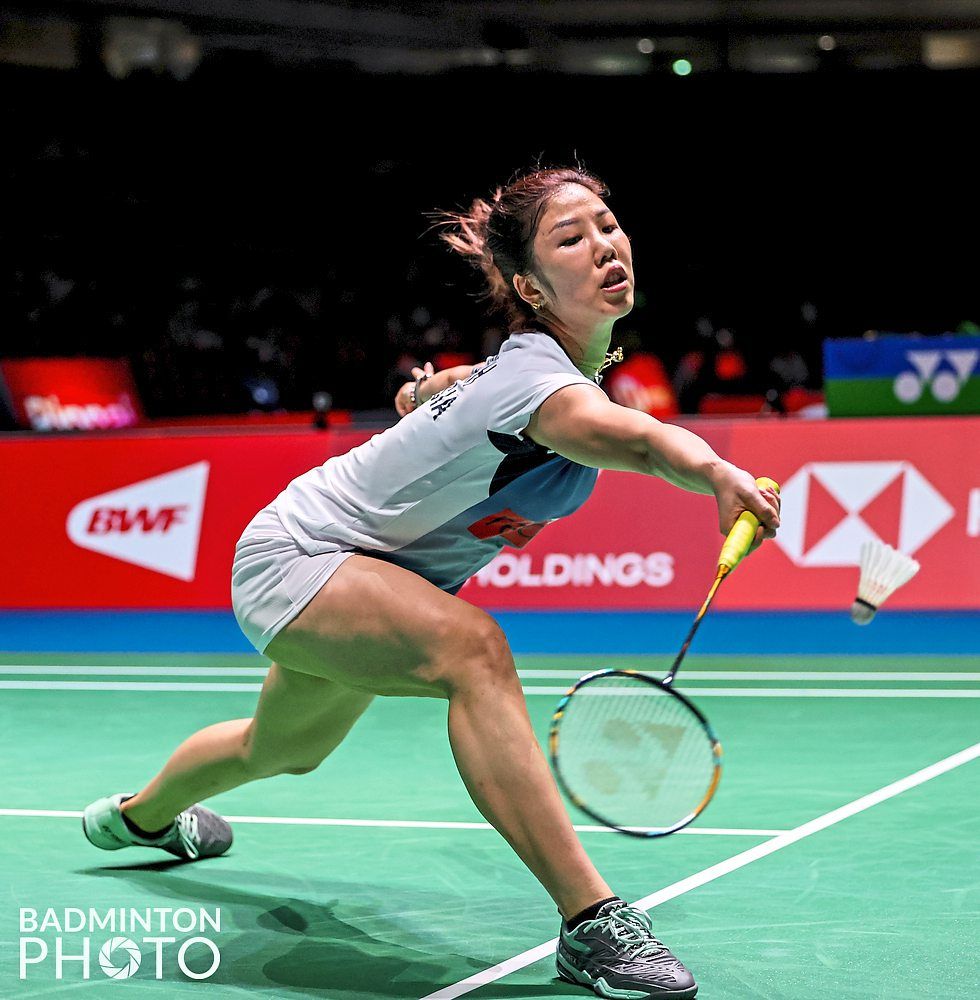
Soniia Cheah, the accomplished former national women's singles shuttler, has ended her tenure as sports director of the Kuala Lumpur Badminton Association following a remarkably brief four-month appointment. The 33-year-old's resignation, which took effect on Wednesday, marks an unexpected conclusion to a role she commenced in February under a one-year contract, raising questions about internal dynamics within one of Malaysia's prominent badminton bodies.
While Cheah declined to provide exhaustive detail regarding her departure, she acknowledged that stepping away was far from a straightforward choice. Instead, she framed her exit as a matter of personal integrity, emphasizing that certain organizational practices had diverged fundamentally from her own values and ethical framework. Her statement suggests deeper institutional tensions rather than a simple disagreement over administrative minutiae.
In her formal comments, Cheah articulated that her departure stemmed from careful deliberation about her ability to function effectively within the association. She explained that continuing in the position would have necessitated compromising on principles she considers non-negotiable as a former elite athlete who maintained Malaysia's competitive badminton standards. The resonance of her concern is particularly significant given her pedigree within the sport—she once held Malaysia's top ranking in women's singles and represented the nation at the Tokyo Olympics.
Cheah was deliberate in clarifying that her resignation targeted no specific individual within the KLBA hierarchy, instead positioning it as a broader statement about institutional culture and values. This framing suggests a systemic rather than personal grievance, though she refrained from elaborating on concrete examples. Such measured language often reflects attempts to maintain professional relationships while signalling serious underlying issues that stakeholders should address.
Despite her truncated tenure, Cheah expressed genuine appreciation for the athletes she mentored during her time as sports director. She highlighted her final official engagement with the Kuala Lumpur squad at the Affin 100Plus Junior Elite Tour Finals, held at Stadium Juara in Bukit Kiara the previous week, suggesting she maintained professional commitment through her departure date despite her internal reservations.
Cheah's resignation carries particular weight given her distinguished career trajectory in Malaysian badminton. Before assuming the KLBA role, she had established herself as a formidable competitor, reaching Malaysia's pinnacle in women's singles competition. Her Olympic representation underscores her status as a gateway figure between Malaysia's grassroots and elite badminton structures. Her decision to depart raises concerns about whether young development programs at KLBA are receiving the strategic focus and integrity they require.
The timing of her exit, coming merely four months into a contracted position, hints at either a significant misjudgement during the hiring process or unforeseen complications that rapidly undermined the arrangement. For an organization seeking to position itself as a serious feeder system for Malaysian national badminton programs, such leadership instability presents reputational and operational challenges. The KLBA, as Kuala Lumpur's principal badminton association, holds responsibility for nurturing emerging talent destined for national competition.
Cheah's medical history adds another dimension to understanding her career shift. She had stepped away from competitive play in 2022 following years of struggle with a recurring Achilles tendon injury, a chronic condition that ultimately forced her retirement despite her determination to continue. Her transition into management reflected an effort to remain involved in badminton administration rather than compete. The brevity of her directorship raises questions about whether her health considerations, accumulated sport-related insights, or temperament incompatibilities with organizational management styles contributed to her departure.
The broader implications for Malaysian badminton merit consideration. When respected former athletes exit developmental or administrative roles within sporting organizations, it typically signals either institutional governance problems or misalignment between modern sports management practices and traditional organizational approaches. Given Malaysia's historical reliance on talent production systems centered around state and city badminton associations, KLBA's internal cohesion matters for the pipeline feeding national squads.
Cheah's final comment—expressing hope that her departure might catalyze institutional self-reflection and realignment toward athlete welfare priorities—positioned her exit as potentially constructive. She emphasized that association leadership should recommit to serving young players' interests, suggesting that somewhere within KLBA's operations, player development had become secondary to other considerations.
Moving forward, the KLBA faces pressure to clarify circumstances surrounding Cheah's departure while demonstrating renewed commitment to governance standards befitting a badminton development organization. Whether the association responds with meaningful structural changes or treats this as an isolated incident will likely influence whether other talented individuals prove willing to undertake similar leadership roles. For Malaysian badminton's competitive future, such institutional stability ultimately matters.

