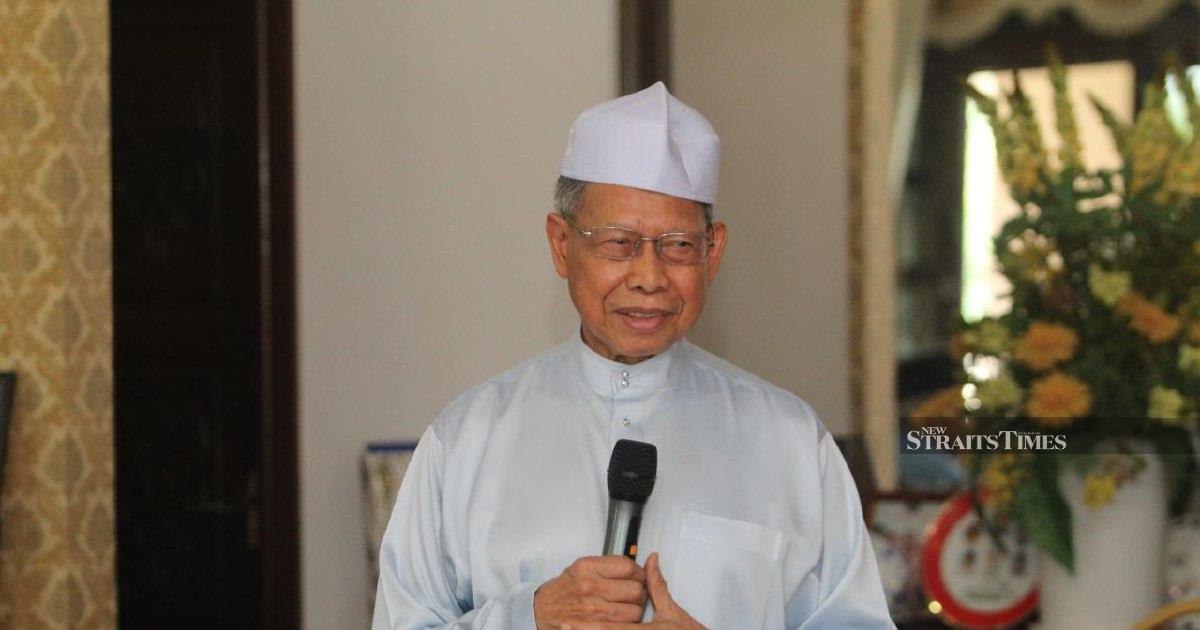
Datuk Seri Mustapa Mohamed, the veteran politician who served as member of parliament for Jeli before recently rejoining Umno, has definitively closed the door on standing in the next general election. Speaking in Pasir Mas, the former minister acknowledged that his current physical condition makes the prospect of campaigning and fulfilling parliamentary duties unrealistic.
The statement marks a significant moment in Malaysian politics, particularly for Umno's recent reconciliation efforts. Mustapa Mohamed represents an important faction within the party, and his return to the fold had generated considerable speculation about whether the seasoned politician might seek to reclaim his parliamentary seat or pursue another position. His explicit refusal to contest suggests he is content to play a supporting role rather than a frontline electoral role in the party's upcoming campaigns.
Mustapa Mohamed's candid admission about his mobility limitations reflects an evolving reality in Malaysian politics, where ageing veteran politicians are increasingly transparent about health constraints affecting their political futures. The Jeli seat, which he previously represented, has served as a significant platform for the politician during his parliamentary career. His decision not to contest suggests that the party will need to identify alternative candidates for what may be viewed as an open contest in the current political cycle.
The timing of Mustapa Mohamed's return to Umno and his immediate clarification that he will not contest adds an intriguing layer to broader party dynamics. His re-entry to Umno had been noted in political circles as potentially strengthening the party's position in Kelantan, a state where Umno continues to grapple with Pas's political dominance. By stepping back from direct electoral competition, he may be positioning himself to contribute to party affairs in advisory or organisational capacities instead.
For Umno strategists planning the party's campaign machinery for the general election, Mustapa Mohamed's withdrawal from consideration eliminates one potential candidate for the Jeli seat and other Kelantan constituencies. This requires the party to accelerate its candidate selection processes and identify individuals who possess both the electoral credibility and the physical stamina to undertake an intensive campaign. In a state where every seat contests carry substantial weight, the party cannot afford delays in candidate finalisation.
Mustapa Mohamed's situation also underscores a broader structural challenge facing Malaysian political parties as their veteran leadership cohorts age. The tendency for long-serving politicians to maintain influence even as they step back from active electioneering creates both continuity and complications in succession planning. Umno must balance respecting the role of its elder statesmen while simultaneously energising newer parliamentary candidates who can represent the party for the next decade or longer.
The former Jeli MP's explanation that he cannot walk steadily enough to campaign effectively demonstrates the rigorous physical demands that electoral politics impose in Malaysia. Campaign trails often require candidates to attend multiple events daily, undertake walkabouts in constituencies, and maintain high visibility across communities. These demands cannot be adequately fulfilled if a candidate faces significant mobility constraints, making his decision pragmatic rather than merely cautious.
Kelantan voters will now await announcements about who will represent Umno in their constituencies during the general election cycle. Mustapa Mohamed's withdrawal provides clarity to party leadership about succession requirements, though it also removes an experienced voice from the direct electoral arena at a time when the party is rebuilding its presence in the state. His advisory role may prove equally valuable as he navigates his political future within Umno's structures.
The decision also carries implications for how Malaysian political parties manage transitions and manage expectations around veteran politicians' involvement in elections. Rather than becoming contested or controversial, Mustapa Mohamed's withdrawal suggests a collaborative understanding within Umno about the realistic parameters for campaigning at his stage of life. This pragmatism may serve the party better than attempting to field candidates whose health circumstances might compromise their effectiveness or party performance.
Moving forward, Mustapa Mohamed's re-entry into Umno will likely see him channelled toward roles that leverage his experience and political networks without requiring the intensive personal campaigning that general elections demand. Whether through party committees, policy advisory positions, or mentoring emerging candidates, the veteran politician can continue contributing meaningfully to Umno's development without the physical toll that direct electoral participation would impose. This arrangement potentially benefits both the individual and the party as they navigate the practical realities of modern Malaysian politics.

