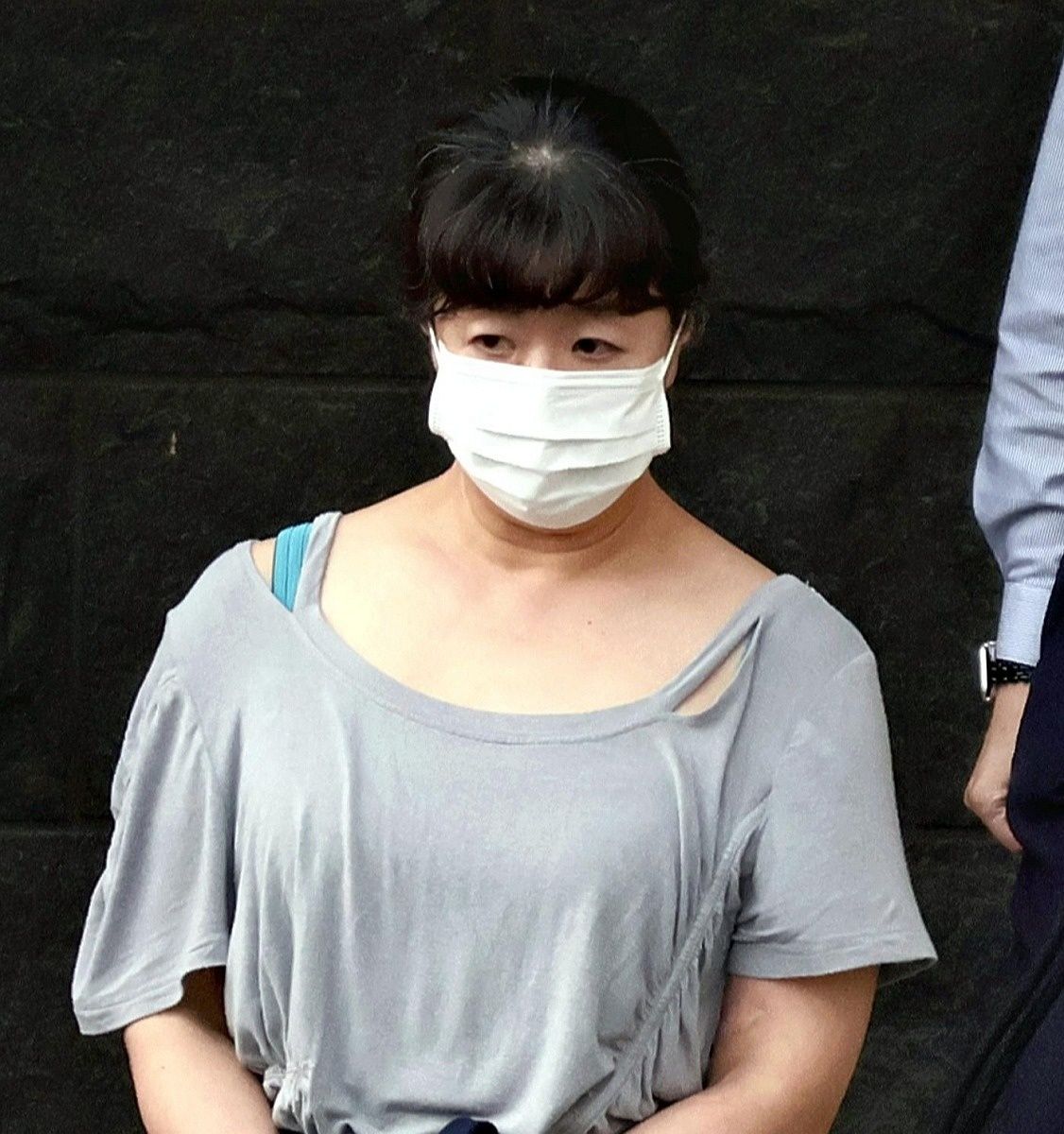
A shocking case of alleged medical negligence has emerged from Japan, where authorities arrested a former nurse on July 15 on suspicion of deliberately contaminating a patient's intravenous line with faeces, ultimately causing his death. Miyuki Furukawa, 51, a resident of Kashiwa in Chiba Prefecture, stands accused of killing Eiji Aida, a 75-year-old patient, through the deliberate insertion of faeces into the extension tubing of his IV drip on the morning of January 30 at Kashiwa Tanaka Hospital. The alleged act occurred at approximately 3.55am, while Furukawa was serving as head nurse during the night shift. Furukawa has denied the allegations, stating plainly that she did not insert faeces into the tube.
The patient's condition deteriorated rapidly following the incident, and Aida was pronounced dead roughly 20 hours later at around 10.30pm on January 31. Medical examination determined that multiple organ failure triggered by sepsis was the cause of death. Critically, bacterial analysis of Aida's blood revealed the presence of microorganisms commonly found in human faecal matter, providing a biological link to the alleged contamination. This medical evidence became central to the investigation's direction and the subsequent arrest warrant.
The discovery of the contamination came through the vigilance of a fellow hospital employee, who noticed the extension tube had developed a brownish discolouration. This colleague reported her concerns to Kashiwa Police on February 1, alerting authorities to the possibility that a foreign substance had been deliberately introduced into the IV apparatus. Hospital security camera footage subsequently corroborated Furukawa's presence in the patient's room, capturing her entering and exiting at relevant times during the night shift.
Investigators uncovered additional evidence suggesting premeditation in the alleged crime. Authorities discovered that Furukawa had conducted a smartphone search for the phrase "faeces injection — Will [he] die?", a search history that investigators argue demonstrates potential intent. Furthermore, police established that Furukawa and Aida had previously argued, providing possible motive for the alleged act. These circumstances, combined with the biological evidence and security footage, formed the basis for the arrest.
The case raises profound concerns about workplace safety and patient protection within medical institutions, particularly regarding overnight shifts when supervision may be limited. Kashiwa Tanaka Hospital operates within a system where individual nursing staff have considerable access to patients and their treatment apparatus, a reality that underscores the importance of rigorous vetting, monitoring, and workplace culture. The incident has prompted wider reflection on how healthcare facilities can better safeguard vulnerable patients from deliberate harm by those entrusted with their care.
At the time of the alleged incident, Furukawa held the position of head nurse during the night shift, a role carrying significant responsibility and trust. She subsequently resigned from Kashiwa Tanaka Hospital at the end of February, and has since taken employment as a midwife at a separate hospital in Tokyo. Her current employer's awareness of the investigation and the details of her previous position remain unclear from available information, raising questions about disclosure obligations and background verification protocols across Japanese healthcare institutions.
Chiba prefectural police continue their investigation into Furukawa's motive and the full circumstances surrounding the incident. Detectives are examining whether similar incidents may have occurred at other facilities where Furukawa has worked, a standard procedure in cases involving healthcare workers accused of harming patients. The investigation represents a sensitive area within Japanese law enforcement, balancing the presumption of innocence with public interest in understanding how such alleged breaches of medical duty could occur.
Aoikai, the organisation operating Kashiwa Tanaka Hospital, issued a formal statement condemning the alleged act in the strongest terms. The hospital's leadership characterised the behaviour as "absolutely unforgivable" both for someone working within a medical institution and on fundamental human grounds. The facility pledged full cooperation with police investigations and committed to revealing the complete facts surrounding the incident, signalling a commitment to transparency and accountability following the tragedy.
The case carries significant implications for Japan's healthcare system and broader questions of medical ethics and institutional responsibility. It demonstrates that even within highly regulated environments with established protocols, determined individuals may circumvent safeguards. For Malaysia and other Southeast Asian healthcare systems, the incident serves as a cautionary reminder of the critical importance of comprehensive background checks, psychological evaluation, workplace surveillance systems, and a culture of reporting among medical staff. The tragedy underscores that patient safety protocols must extend beyond infectious disease control and procedural accuracy to encompass deliberate harm prevention, requiring healthcare administrators to maintain vigilance against internal threats alongside external challenges.

