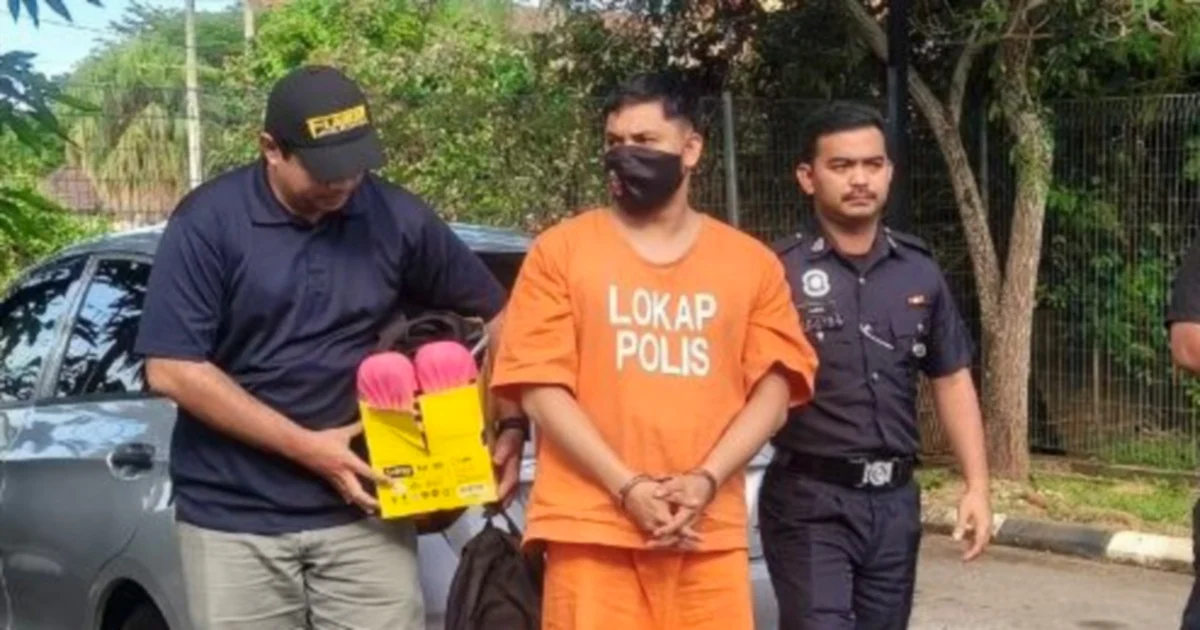
A former information technology professional in Besut has been convicted and fined RM18,000 by the magistrate's court after admitting to misusing others' identification documents in connection with the Budi95 subsidy programme. The court imposed an alternative custodial sentence of 18 months should the defendant fail to settle the financial penalty, according to court records released today.
The defendant entered a guilty plea to three separate charges involving the unauthorised use of other individuals' identity cards, each of which carried potential criminal liability. By accepting responsibility for these offences, the former engineer bypassed a full trial process, allowing the court to proceed directly to sentencing based on the severity of the admitted actions.
The Budi95 subsidy is a government-backed initiative designed to increase digital literacy and internet access among lower-income Malaysians and small businesses. The scheme has attracted attention from regulators and law enforcement due to its widespread nature and the potential vulnerabilities inherent in disbursing subsidies across a large population. Cases of fraudulent access to such programmes represent a significant drain on public resources intended for legitimate beneficiaries.
Identity fraud remains a persistent challenge in Malaysia's digital economy. The misuse of identification documents to secure government benefits reflects broader vulnerabilities in verification systems, even as authorities work to strengthen safeguards. The relative ease with which personal identity cards can be exploited highlights ongoing gaps between technological advancement and security infrastructure, particularly in subsidy distribution mechanisms.
This conviction underscores the government's commitment to combating subsidy abuse, an issue that has received increasing judicial and legislative attention. Magistrate's courts across the country have processed numerous similar cases, many involving comparable schemes. The consistency of prosecutions suggests that enforcement agencies are prioritising the investigation and prosecution of fraud related to social assistance and digital inclusion programmes.
The background of the defendant as an information technology professional is noteworthy. Individuals with technical expertise occupy a concerning position in fraud schemes, as they often possess knowledge of system vulnerabilities that others may not. The involvement of someone with IT credentials in identity-based fraud raises questions about insider knowledge or sophisticated methods employed to circumvent standard verification protocols.
The Besut magistrate's court hearing reflects judicial proceedings occurring across Malaysia's lower courts, where the majority of criminal cases are resolved. Magistrate's courts handle cases involving fraud, theft, and other offences that do not warrant referral to higher courts. The frequency and nature of cases processed in these courts provide insight into emerging crime patterns and the effectiveness of preventive measures.
From a enforcement perspective, the three separate charges filed in this case indicate that authorities had documented multiple distinct instances of identity misuse rather than treating the fraud as a single occurrence. This approach can result in cumulative penalties and demonstrates prosecutorial diligence in establishing the pattern and extent of criminal activity.
The fine of RM18,000 represents a substantial financial penalty, though comparable to sentencing guidelines for fraud-related offences in Malaysia. The inclusion of a custodial alternative ensures compliance, as the threat of imprisonment typically motivates offenders to satisfy monetary judgments. However, the underlying effectiveness of such penalties in deterring future offences remains debated among criminologists and policy analysts.
The incident raises broader implications for the administration of subsidy schemes in Malaysia and throughout Southeast Asia. Government programmes designed to enhance digital inclusion and economic opportunity require robust identity verification systems and regular audits to prevent exploitation. As Malaysia expands digital welfare initiatives, the investment in protective technology and verification protocols becomes increasingly critical to programme integrity.
Stakeholders including the Ministry of Communications and Digital, administrators of the Budi95 programme, and related agencies are likely reviewing their systems in light of cases such as this. The potential implementation of enhanced verification measures, cross-referencing with other government databases, or even biometric authentication could strengthen protection against identity-based fraud in future disbursements.
For Malaysian consumers and legitimate beneficiaries of subsidy schemes, such prosecutions provide assurance that authorities are addressing fraudulent access. However, they also underscore the importance of citizens protecting their own identity documents and monitoring their personal information when interacting with government services. Public awareness campaigns regarding identity protection have accompanied enforcement efforts in recent years.

