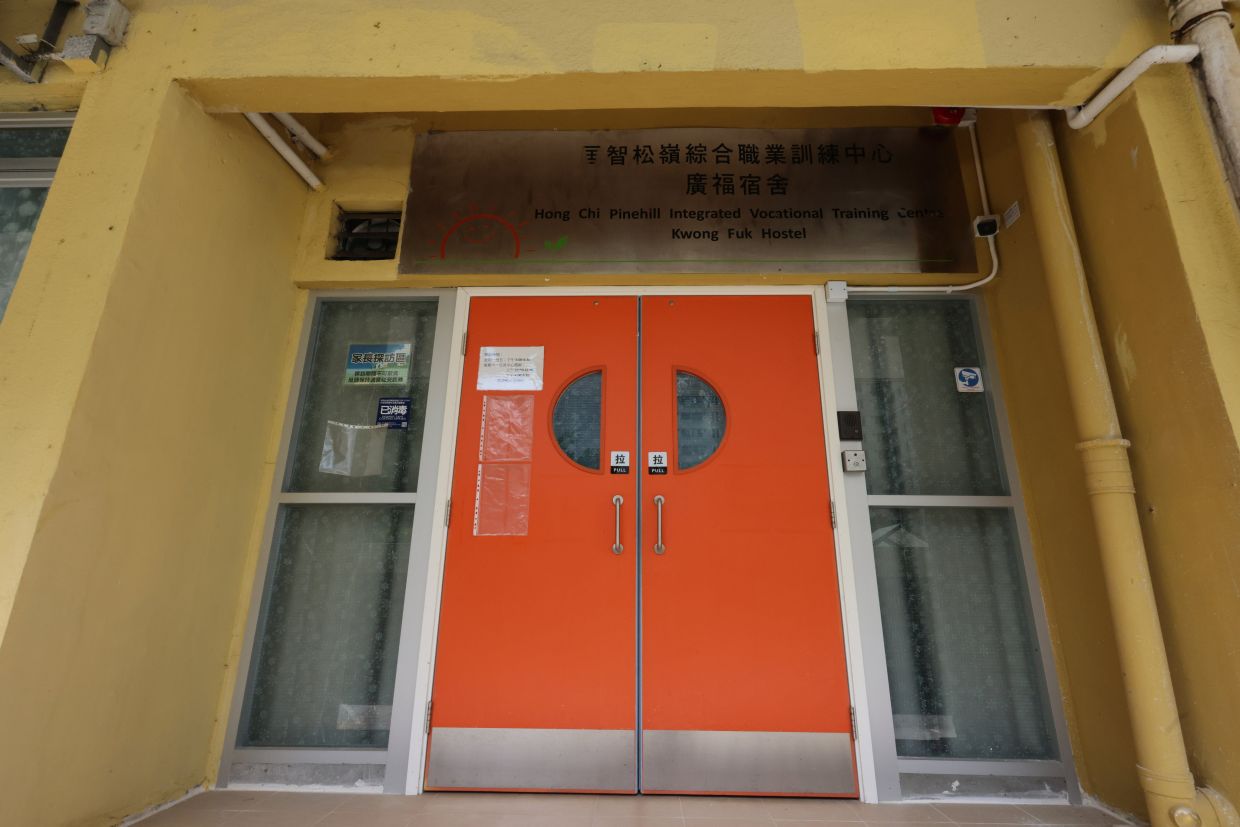
The High Court in Hong Kong is hearing charges against Chung Pui-kei, a former assistant warden at a residential facility for intellectually disabled persons in Tai Po, who allegedly sexually assaulted a young woman on five separate occasions between July and August 2024. The case raises urgent questions about the safety and protection systems within Hong Kong's care sector, particularly regarding vulnerable residents who lack capacity to report or resist abuse.
Prosecutor Human Lam Hiu-man told the court that the complainant, identified as X, was 23 years old at the time but possessed intellectual functioning equivalent to a nine-year-old child. This stark disparity between chronological and cognitive age underscores the profound vulnerability that care home residents face and the enormous power imbalance between staff members and those in their charge. The residential home where these incidents occurred operates under the Chi Hong Association, a prominent non-governmental organisation providing disability support services in Hong Kong.
Lam's account of the alleged incidents painted a picture of calculated grooming and exploitation. The defendant, whom X knew as "Kei sir," reportedly cultivated a relationship with her through seemingly innocent interactions including video games such as Mario Kart and treats like marshmallows. This pattern of relationship-building mirrors grooming tactics documented in abuse cases globally, where perpetrators establish trust and normalise inappropriate contact before escalating to sexual assault. According to the prosecutor, X recalled the defendant locking doors, undressing both of them, and proceeding with sexual intercourse despite her expressing discomfort or resistance on several occasions.
Evidence presented to the court included surveillance footage and police interviews conducted with X, which were video-recorded to preserve her testimony. The alleged assaults occurred in two locations within the care facility: three instances in the male staff rest room and two in X's own bedroom. Investigators discovered condoms and other items in a locker located in the male staff area, and critically, police identified a bedsheet from a female resident's room that contained both the defendant's semen and X's DNA, providing potential forensic corroboration of the accusations.
The psychological vulnerability of the victim was extensively documented through expert testimony. Psychiatrist Lydia Lam Yi-ngar from Tai Po Hospital explained that X had experienced mental health hospitalisation in 2018 and 2021 and carries a diagnosis of bipolar affective disorder, though her condition has remained stable with medication and regular monitoring. Clinical psychologist Wong Yik-tung from the Social Welfare Department conducted formal intellectual capacity assessments, confirming the severe disparity between X's age and her cognitive functioning. These expert testimonies establish that X lacked the mental capacity to provide informed consent to any sexual contact, a fundamental legal and ethical principle in safeguarding law.
The defence counsel Lawrence Hui Cheuk-lun's questioning strategy suggests a potential line of argument centring on X's reliability as a witness. Hui specifically inquired whether patients with her psychiatric history might experience hallucinations that could affect perception of facial features if medication adherence was inconsistent. However, the psychiatrist's responses appear to undermine this approach. She confirmed that hallucinations are not a documented side effect of valproate sodium, one of the two medications X was prescribed as a mood stabiliser, and that blood test results from 2024 demonstrated medication levels consistent with proper dosage compliance, indicating X had been taking her prescribed drugs regularly during the alleged assault period.
The case highlights significant gaps in institutional safeguarding at Hong Kong's care facilities. Residential homes serving intellectually and mentally disabled populations must implement robust systems to prevent abuse, yet the allegations suggest minimal barriers existed to prevent a staff member from isolating a resident and committing repeated sexual assault. The fact that these incidents allegedly occurred over a period of weeks without immediate detection raises concerns about supervision protocols, staff conduct monitoring, and residents' access to safe reporting channels. For caregivers and family members of disabled persons across Southeast Asia, the case underscores the necessity of rigorous background checks, mandatory training on safeguarding and professional boundaries, CCTV coverage in common areas, and clear whistleblower protections for staff who observe misconduct.
The jury empanelled to hear the case consists of four men and two women, with Judge Douglas Yau Tak-hong presiding. The composition reflects Hong Kong's commitment to peer judgment in serious criminal trials, though critics of jury systems sometimes argue that complex matters involving vulnerable witnesses and psychiatric evidence can be challenging for lay juries to evaluate fairly. The trial's progression will require careful examination of X's capacity to testify, the reliability of her recall given her intellectual disability, and the weight to be assigned to forensic evidence and expert medical testimony.
This prosecution represents a rare instance of institutional accountability in Hong Kong's disability care sector. Many suspected cases of abuse within care facilities never reach trial due to difficulty in obtaining evidence, challenges in taking statements from persons with intellectual disabilities, or institutional reluctance to pursue serious criminal charges. The willingness of authorities to prosecute five counts of rape, supported by forensic evidence and expert psychological assessment, suggests a growing recognition that disabled persons deserve equal legal protection despite their vulnerability. The outcome will likely influence how care organisations across Hong Kong and neighbouring jurisdictions approach safeguarding training, institutional transparency, and cooperation with law enforcement investigations.
Clinical psychologist Wong was scheduled to continue providing evidence on Monday regarding X's intellectual capacity assessment and other relevant psychological findings. The trial's continuation will provide further detail on the expert assessment of X's vulnerability, her capacity to testify, and the psychological impact of the alleged assaults. For Malaysian readers, this case serves as a cautionary illustration of why comprehensive safeguarding regulations, independent oversight bodies, and accessible complaint mechanisms are essential within any society's care system. The stakes are particularly high in Southeast Asia, where rapid expansion of care facilities serving elderly and disabled populations has sometimes outpaced regulatory development and professional training standards.

