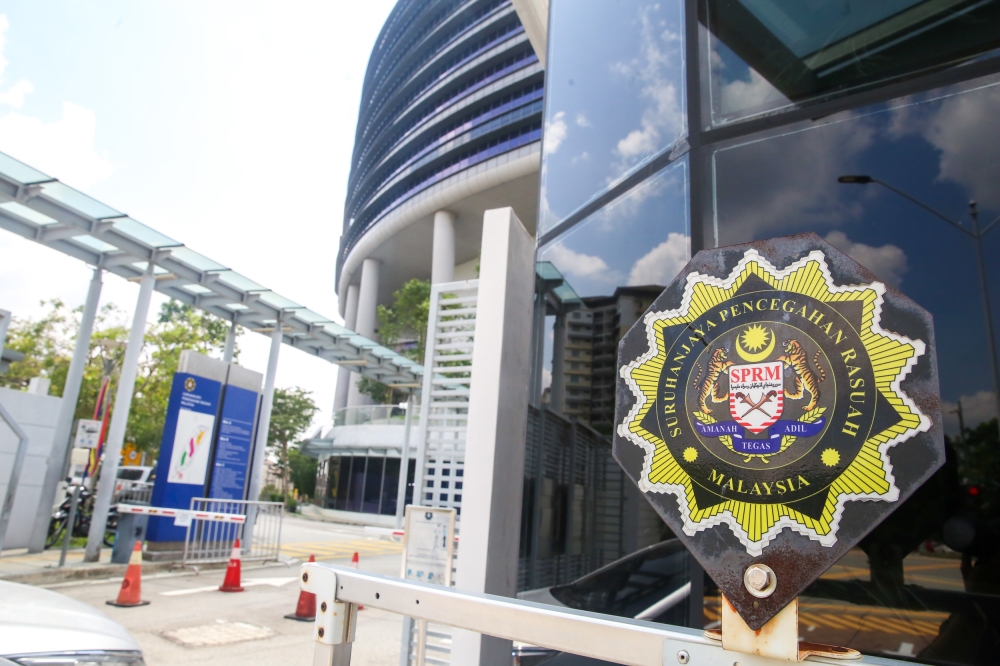
A former government employee is in custody at the Malaysian Anti-Corruption Commission's Kuala Lumpur office following allegations that he orchestrated a systematic fraud targeting social assistance programmes. The suspect, detained yesterday on a four-day remand order, is accused of submitting fraudulent applications for relief payments that totalled RM300,000, leveraging the identities of 11 unsuspecting individuals across multiple claims.
The investigation, which intensified in recent weeks, centres on the misuse of personal information belonging to ordinary citizens who had no knowledge their details were being used to obtain government aid. Such schemes represent a significant breach of trust in systems designed to support vulnerable populations, and underscore growing concerns about identity theft vulnerabilities in Malaysia's welfare administration frameworks.
According to preliminary investigative findings, the suspect exploited his former position within the civil service to gain access to administrative processes and documentation required for processing assistance applications. This insider knowledge would have proved invaluable in navigating bureaucratic procedures and avoiding immediate detection, a common pattern observed in white-collar fraud cases involving public sector employees. The timing and scope of the alleged scheme suggest coordination and planning rather than opportunistic wrongdoing.
The RM300,000 figure represents substantial losses to the public purse at a time when the government has been allocating considerable resources to social welfare programmes. These funds were intended to reach genuinely needy households, and the diversion of assistance through fraudulent channels directly impacts the most vulnerable segments of Malaysian society. The case also raises questions about oversight mechanisms and verification protocols currently employed in the distribution of government aid.
The MACC's decision to seek a four-day remand indicates investigators believe they require additional time to gather evidence, conduct further interviews, and potentially establish links to accomplices or secondary transactions related to the fraudulent claims. Remand periods in corruption cases typically allow agencies to obtain bank records, review communications, and determine the full extent of criminal activity before deciding whether to press charges or seek extensions.
Identity fraud has emerged as a persistent challenge across Southeast Asia's financial and administrative sectors, with Malaysian authorities increasingly vigilant against schemes that exploit personal data. The use of multiple identities in a single fraud operation suggests sophistication that went beyond simple clerical errors or honest mistakes, pointing instead to deliberate criminal intent. Investigators will likely trace how payments were received and where funds were ultimately deposited or spent.
The incident highlights vulnerabilities in the verification procedures protecting government assistance programmes. While Malaysia's social welfare system has expanded significantly to include various allowances, subsidies, and emergency relief funds, the authentication processes ensuring aid reaches legitimate beneficiaries require constant updating. The convergence of digital systems and paper-based procedures across different agencies may create blind spots where fraudsters operate with relative impunity until their activities reach critical mass.
Public sector anti-corruption remains a priority for Malaysian policymakers and enforcement agencies, particularly given the importance of maintaining public confidence in government institutions. Cases involving former or current civil servants attract heightened scrutiny because they undermine the principle that public officials serve the public interest. The MACC's prosecution of such cases sends a deterrent message to other potential offenders and reinforces the principle that no one is above accountability regardless of their administrative background.
The investigation will likely expand to examine whether the suspect acted alone or collaborated with others, whether accomplices within government systems facilitated the fraud, and whether the 11 individuals whose details were misused were randomly selected or deliberately targeted. Banks and financial institutions through which payments were processed will become focal points for the inquiry, as transaction records typically provide irrefutable documentary evidence of fraudulent activity.
This case occurs within a broader context of Malaysian authorities strengthening enforcement against financial crimes and institutional corruption. The MACC has increasingly focused on unravelling complex schemes that exploit government benefit systems, recognising that such fraud diverts resources from legitimate programmes and erodes public trust in state institutions. The coming weeks will reveal whether additional charges emerge or whether the investigation expands to implicate other individuals or organisations.
For Malaysians relying on government assistance, the case serves as a reminder of the importance of monitoring personal financial records and ensuring their identification details are not being fraudulently used. Citizens can request verification from relevant agencies if they suspect their information has been compromised. The broader implication is that Malaysia's administrative systems must continually evolve their security measures to protect citizens' data integrity while ensuring legitimate beneficiaries receive entitled support without undue delays.

