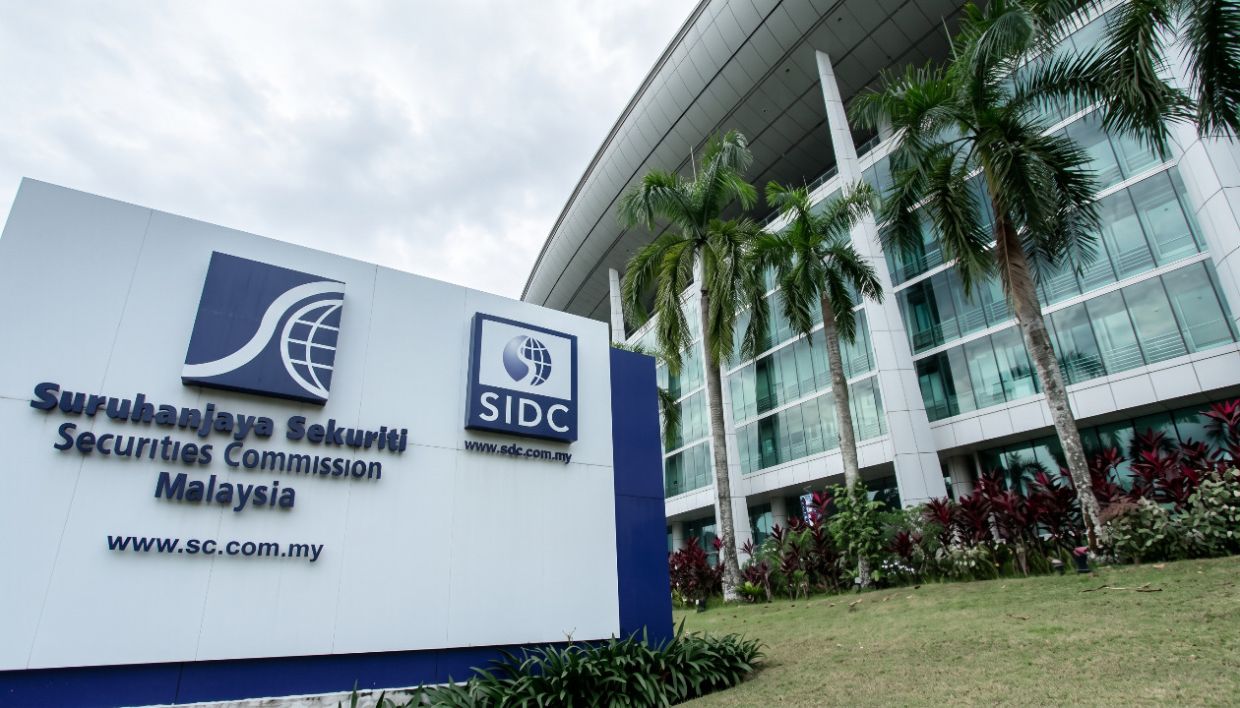
The Kuala Lumpur Sessions Court has handed down a three-year custodial sentence to former bank analyst Mohd Arif Fadzlee Mohd Arifin following his conviction on charges related to unlicensed securities activities and misrepresentation of professional qualifications. The ruling underscores the Malaysian financial regulator's determination to crack down on individuals operating outside the formal licensing framework, a persistent concern in the regional securities industry where unauthorised operators continue to pose risks to retail investors.
Mohd Arif faced two separate charges brought by the Securities Commission Malaysia in January 2024, each carrying substantial penalties under the Capital Markets and Services Act 2007. The first charge alleged that he presented himself as a representative of CIMB Wealth Advisors Berhad whilst conducting the regulated activity of dealing in securities, despite lacking the mandatory Capital Markets Services Representative's Licence issued by the SC. The second charge centred on his unauthorised use of the Unit Trust Consultant designation, which courts determined created a false impression of regulatory authorisation to engage in securities transactions.
The offences in question occurred over a decade ago, in 2011, across locations including Petaling Jaya and Nilai. Despite the considerable time gap between the conduct and prosecution, the case demonstrates the SC's willingness to pursue historical violations where evidence permits. Mohd Arif maintained his innocence throughout the legal process, electing to stand trial rather than accept a settlement or guilty plea, and he was provisionally released on a bail surety of RM60,000 whilst awaiting trial outcome.
The prosecution's case relied on testimony from ten witnesses, including two individuals who had been directly affected by his activities. This victim-centred approach reflects evolving standards in financial crime prosecution, where authorities increasingly emphasise the real-world impact on consumers who may have suffered losses or been misled through engagement with unlicensed operators. The inclusion of affected parties in the court proceedings provides judicial insight into the practical consequences of regulatory breaches that might otherwise appear merely technical in nature.
On 27 February 2026, the Sessions Court determined that the prosecution had successfully demonstrated a prima facie case against the defendant, compelling him to mount a formal defence against both allegations. Rather than call supporting witnesses, Mohd Arif chose to testify personally under oath, a strategic decision that ultimately proved unsuccessful. The court concluded that his testimony failed to introduce reasonable doubt regarding the prosecution's evidence or legal arguments, leaving the conviction verdict inevitable.
The court sentenced Mohd Arif to three years imprisonment on each charge, with the sentences running concurrently rather than consecutively, meaning he will serve a total of three years rather than six. This concurrent approach, whilst preserving the gravity of the judgment, represents a measured response that acknowledges the seriousness of the offences without maximising the custodial term available to the judiciary. The CMSA permits courts to impose up to five years imprisonment, a ceiling the judge chose not to approach.
The statutory framework governing these violations reflects Parliament's recognition of securities market integrity as essential to investor protection and economic confidence. Section 59(1) of the CMSA prescribes penalties not exceeding RM5 million in fines or five years imprisonment for unauthorised regulated activities, reflecting the heightened severity assigned to individuals who misrepresent their authority to handle client investments. Section 362(3), addressing misuse of protected titles, similarly carries maximum penalties of RM1 million and five years, demonstrating legislative determination to prevent credential fraud in financial services.
For Malaysian investors and the broader securities industry, this judgment carries multiple implications. The case reinforces that the SC actively investigates and prosecutes individuals operating without proper authorisation, a message intended to deter would-be unlicensed operators and provide assurance to consumers that regulatory enforcement remains active. The conviction also highlights the vulnerability of consumers who engage with individuals claiming credentials they do not hold, particularly given the decade-long lag between the conduct and final court judgment that reflects the resource-intensive nature of financial crime prosecution.
The case is especially relevant for Southeast Asian financial markets, where similar patterns of unauthorised securities operations create systemic risks. Many individuals across the region exploit title confusion and regulatory arbitrage to conduct investment activities without formal licensing. The Mohd Arif case demonstrates that Malaysian authorities possess both the legal instruments and institutional commitment to pursue such violations to conclusion, even when considerable time has elapsed since the original conduct occurred.
Regulatory experts view such convictions as essential deterrent mechanisms within financial markets where information asymmetries and consumer sophistication variations create natural vulnerabilities. The SC's pursuit of this matter, despite the prosecutorial burden and passage of time, signals that licensing requirements exist not as mere administrative formalities but as enforceable prerequisites for conducting securities activities. This messaging matters particularly in emerging markets where compliance cultures remain developing and the line between legitimate financial advisors and sophisticated fraudsters may appear ambiguous to retail consumers.
Looking forward, the judgment affirms that representation as a unit trust consultant or similar designation without proper SC authorisation constitutes a serious criminal matter rather than a minor regulatory infraction. This clarity may influence behaviour amongst individuals contemplating unlicensed operations, whilst simultaneously validating the experiences of consumers who questioned the legitimacy of operators lacking verifiable credentials. For Malaysia's financial services industry, the conviction reinforces institutional commitment to market integrity that successive administrations have pledged as foundational to building investor confidence and sustaining capital market development across the region.

