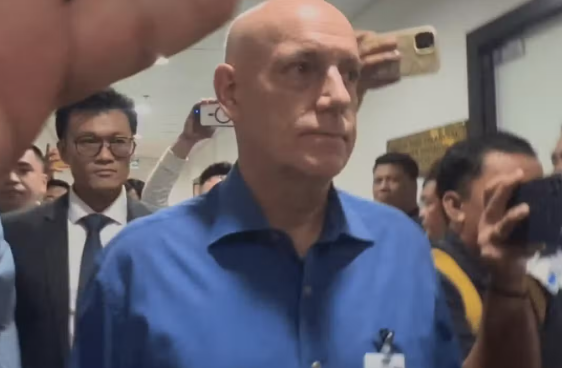
Tab Baldwin, the former men's basketball coach at Ateneo de Manila University, presented himself before the National Bureau of Investigation on Tuesday afternoon as authorities pursue their investigation into the drowning deaths of two student-athletes, Rene Baterbonia and Divine Adili. The appearance came after Baldwin had failed to attend two previously scheduled investigative sessions, marking a significant development in a case that has drawn widespread attention and raised serious questions about safety protocols during university sports activities in the Philippines.
Baldwin arrived at the NBI Homicide Division accompanied by his legal representative, Karl David, at approximately 1:45 in the afternoon. The investigation centres on the circumstances surrounding the deaths of the two Ateneo basketball players, who lost their lives during a team activity in Dipaculao, Aurora, earlier in June. The incident has sparked considerable concern within Philippine university sports circles and beyond, prompting parallel investigations by multiple law enforcement agencies determined to establish what occurred during that fateful event.
The coach's initial absence from the investigative process had raised eyebrows, with Baldwin failing to appear on June 16, when his lawyer explained that his client was unwell and unable to attend. The following scheduled appearance, set for June 19, was also missed, though Baldwin did meet with investigators from the Philippine National Police-Criminal Investigation and Detection Group that same day, suggesting an attempt to cooperate with the separate police inquiry running concurrently with the NBI's examination.
The parallel investigations reflect the seriousness with which Philippine authorities are treating the incident. Both the NBI and the PNP-CIDG have been independently examining the drowning deaths, each seeking to establish the precise sequence of events and any potential negligence or safety failures that may have contributed to the tragedy. This dual-agency approach, while sometimes creating administrative complexity, ensures comprehensive scrutiny of the circumstances and provides checks on investigative procedures.
NBI Director Melvin Matibag announced that investigators intend to cross-reference Baldwin's statement delivered to the NBI with his earlier testimony provided to the PNP-CIDG on June 19. Such comparative analysis is a standard investigative technique aimed at identifying any inconsistencies or discrepancies in accounts, which could prove crucial in determining what transpired during the ill-fated team activity. The consistency or otherwise of Baldwin's explanations across the two separate interviews may provide important clues regarding accountability and responsibility.
The deaths of Baterbonia and Adili during what was ostensibly a routine team activity have raised troubling questions about supervision, emergency response protocols, and the adequacy of safety measures during university-organised sports programmes. For Malaysian observers, the case serves as a cautionary reminder of the importance of rigorous safety standards in athletic programmes across Southeast Asia. Universities and sports organisations throughout the region would be wise to review their own protocols for team activities, particularly those involving water or travel to remote locations.
The incident has implications extending beyond the immediate tragedy affecting the families of the two deceased athletes and the Ateneo community. It underscores the need for institutional accountability and proper oversight of activities undertaken in the name of sports development. The involvement of both civilian investigators and a prominent foreign coach has drawn international attention to the case, particularly within Australian sports circles, given Baldwin's background and reputation in basketball coaching.
The NBI's intention to conclude its formal investigation by the end of the week suggests that authorities are working with considerable urgency to establish findings and potentially recommendations regarding the incident. This timeline indicates that investigators believe they have gathered sufficient evidence or testimony to reach preliminary conclusions, though the ultimate determination of responsibility and any potential criminal charges would likely require additional time and legal proceedings.
Baldwin's eventual cooperation with the investigative process, despite the initial delays, demonstrates his legal team's understanding of the importance of engagement with authorities. The presence of his lawyer throughout the questioning reflects standard practice in serious investigations and ensures that his rights are protected while enabling authorities to pursue their inquiry into the circumstances surrounding the tragedy that claimed two young lives.
The case continues to resonate throughout Philippine university athletics and has prompted broader discussions about safety standards, coaching accountability, and institutional responsibility. For the Southeast Asian region more broadly, the incident serves as a sobering reminder that even established institutions with experienced leadership must maintain unwavering focus on participant safety and proper risk management in all sporting activities, regardless of their apparent routine nature.

