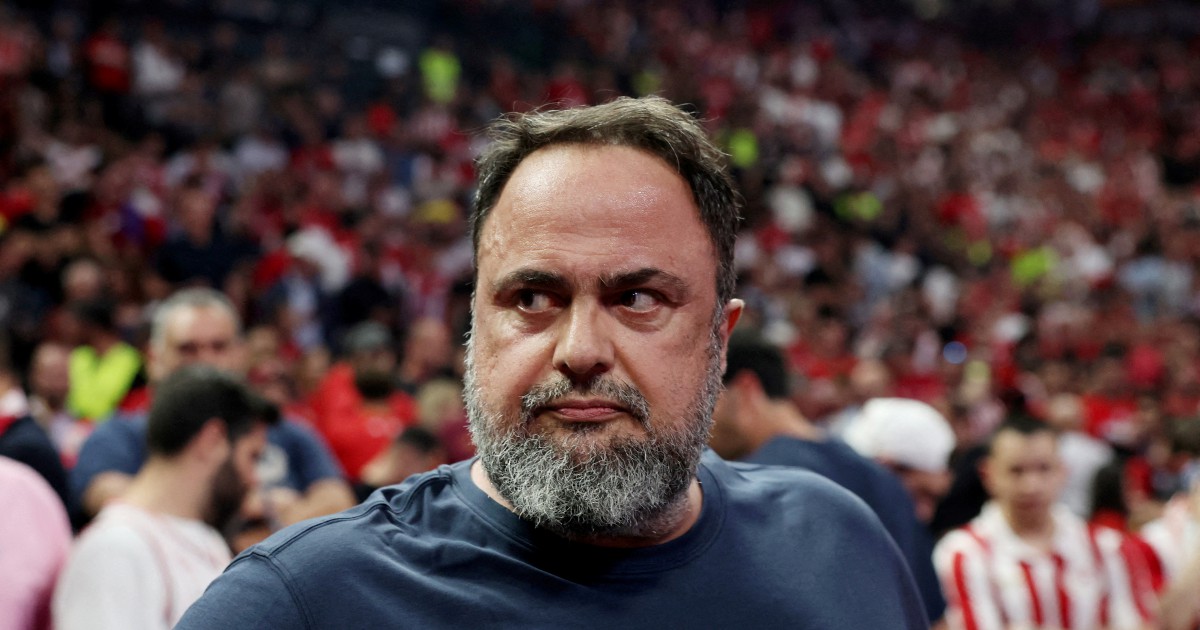
Evangelos Marinakis, the controlling shareholder of English Premier League club Nottingham Forest, has launched legal proceedings against fellow top-flight side Crystal Palace at London's High Court, citing libel claims. The lawsuit, filed on Monday, marks an escalation in tensions between the two clubs, with media outlets suggesting the action stems from a contentious banner that Crystal Palace supporters displayed during a match in the previous season.
The move underscores growing friction in professional football over supporter conduct and the boundaries between passionate fan expression and statements that cross into potentially defamatory territory. Such legal disputes have become increasingly common in recent years as clubs and their wealthy owners take stronger stances against what they perceive as offensive or false messaging directed at them through supporter demonstrations.
Marinakis, a prominent Greek shipping magnate who acquired Nottingham Forest in 2017, has previously been involved in contentious situations in English football. His ownership of the Midlands club coincided with their promotion back to the Premier League after more than two decades in the Championship, representing a significant investment in returning the historic institution to the top division. The businessman's visible presence in football circles has occasionally attracted scrutiny and debate, making any disputes involving his public reputation particularly sensitive.
Crystal Palace, based in south London, has not publicly commented extensively on the legal action at this stage. The club's supporters have historically been known for vocal and creative demonstrations at matches, and the banner in question apparently fell into a category that Marinakis and his legal team considered sufficiently damaging to warrant formal court proceedings.
The specifics of what the banner displayed remain somewhat shrouded, though media reports indicate it contained messaging of a provocative nature. This ambiguity itself highlights one of the central tensions in modern football culture: determining when supporter expression crosses from acceptable fan conduct into territory that legally constitutes defamation or libel. Courts must weigh the genuine concerns of individuals against the tradition of robust stadium atmospheres and supporter activism.
This dispute carries implications beyond the immediate legal contest between two Premier League institutions. It reflects broader questions about supporter freedoms, corporate interests in football, and the extent to which wealthy owners can or should pursue legal remedies against fan bases. Southeast Asian football communities, where supporter culture remains vibrant and creative, may find these developments particularly relevant as English football's commercial and legal frameworks increasingly influence global football governance.
The High Court proceedings are likely to take considerable time to progress through the English legal system. Such libel cases demand careful examination of whether statements are factually accurate and, if not, whether they caused genuine reputational harm. The complexity of applying these legal principles to stadium banners, where context, intent, and audience interpretation become crucial factors, ensures this case will be closely watched by legal observers and football administrators alike.
Nottingham Forest's elevation to Premier League status has intensified scrutiny of the club's operations and ownership structure. The club's spending in the transfer market since promotion has been substantial, and Marinakis has become a more prominent figure in English football discourse as a result. This increased visibility may have contributed to the intensity of this particular dispute, as supporter criticism that might previously have been ignored now potentially carries greater weight in a public conversation about the club.
The situation also raises questions about Crystal Palace's institutional responsibility for supporter conduct. While clubs are generally not held liable for actions undertaken independently by their supporters, the nature of how banner displays occur at stadiums sometimes blurs these lines. The question of whether the club encouraged, tolerated, or actively prevented the banner's display could influence the legal proceedings significantly.
For Malaysian and Southeast Asian football enthusiasts, this case exemplifies how the English Premier League's massive global influence extends beyond sporting competition into broader questions of governance, rights, and responsibilities. As regional leagues increasingly adopt regulatory frameworks modelled on English football's structures, understanding how disputes like this are resolved becomes important for predicting how similar situations might be handled locally.
The lawsuit represents a moment when commercial football ownership meets grassroots supporter culture in a courtroom setting. Its outcome may establish precedents affecting how future disputes between wealthy owners and fan bases are handled across English football and potentially influence approaches to supporter conduct governance worldwide.

