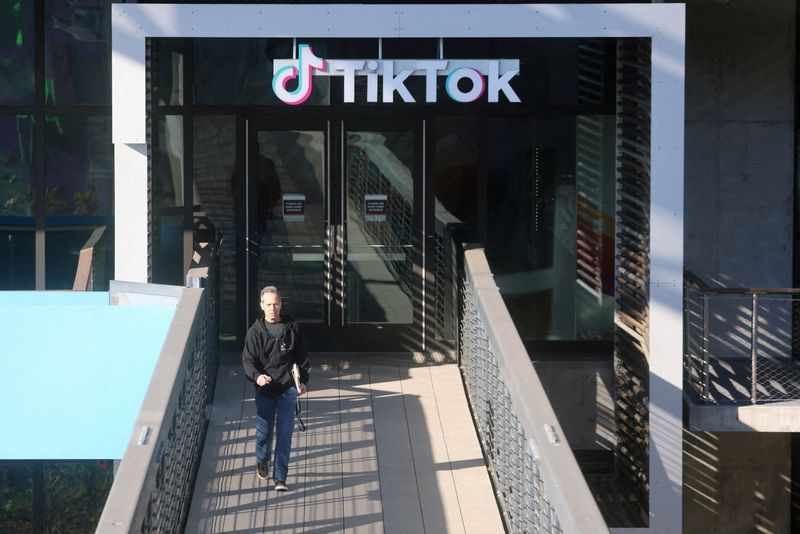
Florida has taken legal action against TikTok, with the state's attorney general filing a lawsuit in St. Lucie County that accuses the ByteDance-owned platform of systematically breaching child protection legislation. The complaint, brought by Republican Attorney General James Uthmeier, targets TikTok's alleged failure to comply with Florida's H.B. 3, a statute that came into effect in January 2025 and prohibits social media companies from permitting users under the age of 14 to establish accounts on their services.
At the heart of the state's case lies a dual accusation: that TikTok knowingly enables minors below the legal threshold to access its platform, and that the company has made deceptive representations to parents regarding the volume and character of violent and sexually explicit material to which young users may be exposed. Uthmeier characterised the platform's conduct as a flagrant disregard for child welfare, asserting that TikTok has prioritised commercial interests over safeguarding vulnerable users. The lawsuit seeks judicial intervention to compel the platform to implement necessary changes to achieve regulatory compliance, alongside a claim for monetary damages.
TikTok's response has emphasised its commitment to compliance and safety. A company spokesperson acknowledged ongoing dialogue with Florida's attorney general and confirmed that the platform has initiated account suspensions for users under 14 within the state. The statement stressed that TikTok continues to update its systems and policies to align with Florida's regulatory requirements, while maintaining that the company maintains a robust track record on minor protection issues. The platform further indicated its readiness to mount a substantive legal defence against the state's allegations.
Florida's action against TikTok is part of a broader regulatory campaign targeting social media giants. More than 25 state attorneys general across the United States have launched similar proceedings against the platform, typically grounded in state consumer protection statutes rather than age-specific legislation. These cases collectively allege that TikTok's design deliberately maximises user engagement among young people, thereby contributing to escalating mental health challenges including depression, anxiety, and behavioural disorders among children and adolescents.
The litigation landscape surrounding social media companies has expanded dramatically in recent years. TikTok, Meta Platforms—which operates Facebook and Instagram—and other major platforms face thousands of civil suits initiated by individual users and school districts challenging the platforms' effects on youth development and wellbeing. The defendants have consistently denied wrongdoing and contended that they have implemented comprehensive safeguarding mechanisms to protect minors using their services. However, their legal defences have not uniformly succeeded in securing dismissals or favourable outcomes.
A significant recent verdict underscores the legal vulnerability facing these companies. In a Los Angeles case, a jury determined that Meta and Alphabet's Google had acted negligently regarding a young woman's claims that prolonged exposure to their platforms during her youth precipitated severe depression and anxiety. TikTok, named in the same action, chose to settle before trial, as it also did in a separate matter brought by a Kentucky school district, agreeing to pay USD 8 million in settlement.
H.B. 3, the Florida statute invoked in the current lawsuit, establishes age-based restrictions more stringent than those typically imposed by platform terms of service. Beyond prohibiting accounts for children under 14, the law mandates parental authorisation for users aged 14 and 15. These requirements represent a legislative effort to impose statutory obligations where industry self-regulation has, in Florida's legislative view, proven inadequate. The enforceability of H.B. 3 has itself become contested, reflecting the constitutional complexities surrounding age restrictions in digital environments.
Florida's enforcement approach is not limited to TikTok. Earlier in 2025, the state initiated legal proceedings against Snap, developer of the Snapchat application, alleging that the platform unlawfully permits children aged 13 and younger to establish accounts whilst incorporating features deliberately designed to foster compulsive usage patterns. Florida's complaint against Snap emphasised that the company actively markets Snapchat to 13-year-olds despite acknowledged risks—including exposure to pornographic content and facilitating illicit drug transactions—that contradict claims of age-appropriateness.
Snap has mounted a constitutional challenge to H.B. 3, arguing that the statute infringes upon minors' First Amendment rights. This defence reflects a growing legal tension between state regulatory authority to protect children and constitutional protections afforded to digital expression and platform operations. The case remains active in the courts, indicating that questions about the law's validity remain unresolved.
The constitutional status of H.B. 3 has faced judicial scrutiny that complicates enforcement efforts. A federal judge in Florida ruled that the law was unconstitutional, a determination that would have effectively nullified it. However, Florida secured a temporary stay of that ruling, permitting continued enforcement while the state pursues an appeal. This procedural development illustrates how child protection legislation is encountering substantial legal headwinds rooted in constitutional doctrine and concerns about government overreach in regulating digital communications.
For Malaysian and Southeast Asian stakeholders, Florida's aggressive stance on social media regulation signals a broader global trend toward legislative intervention in platform operations. As regional governments consider their own approaches to protecting young users whilst balancing innovation and free expression, Florida's experience provides instructive lessons about both the promise and pitfalls of statutory regulation. The litigation outcomes will likely shape policy discussions across Asia-Pacific economies that are grappling with comparable concerns about platform accountability and youth welfare.