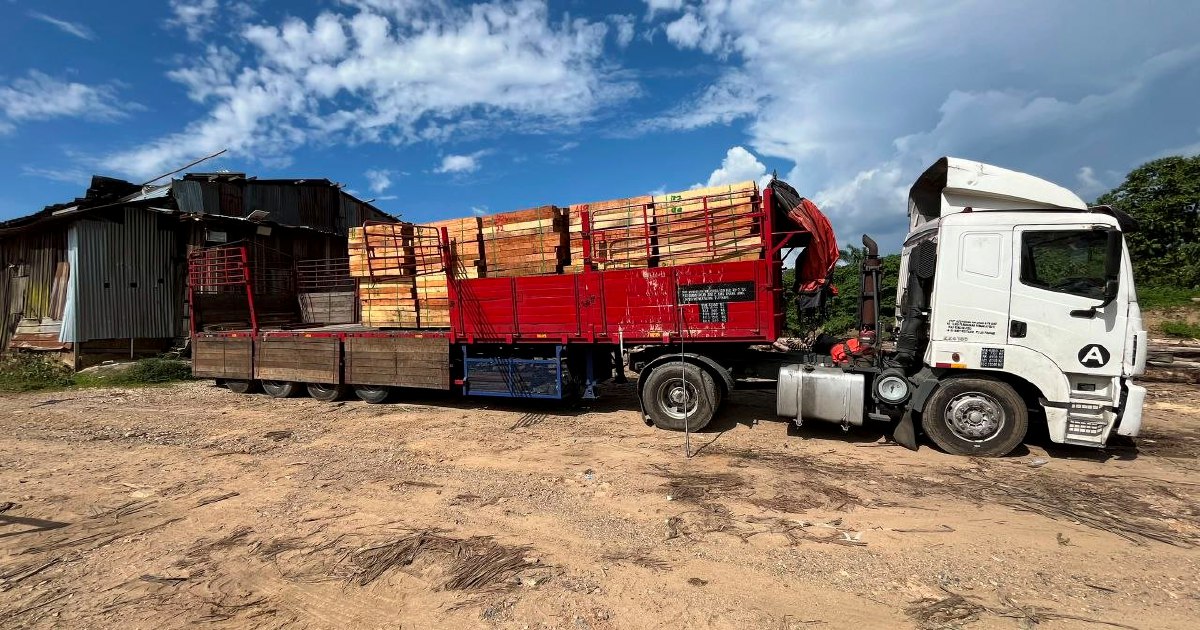
A coordinated raid on an unlicensed timber processing facility in Sungai Embak, Kuala Krai, Kelantan, has resulted in the arrest of five men and the seizure of assets valued at RM2.32 million. The operation, conducted yesterday, uncovered what authorities describe as an extensive illegal timber milling enterprise complete with industrial processing machinery and stockpiled wood products. The arrests mark another significant enforcement action in a region long vulnerable to timber trafficking and unauthorised harvesting activities.
The seized materials include not only raw and partially processed timber but also heavy industrial equipment used in the milling operation itself, reflecting the sophisticated nature of the illegal enterprise. The total valuation of RM2.32 million indicates this was a substantial operation rather than a small-scale venture, suggesting the facility had been in operation for a considerable period and potentially supplied timber to multiple buyers within the state and beyond. Such operations typically function within a network involving procurement specialists, processing operators, transport handlers, and downstream buyers.
Kelantan's vulnerability to illegal logging has long been a concern for both state and federal authorities. The state's vast forest reserves and remote areas provide ideal conditions for unauthorised timber harvesting, while the proximity to transport routes facilitates the movement of illegal products to markets in Peninsular Malaysia and potentially for export. The Kuala Krai district, situated in the northern part of the state, has historically been a hotspot for such activities, making yesterday's raid part of a broader pattern of enforcement efforts in the region.
The legal framework governing timber in Malaysia distinguishes sharply between licensed and unlicensed operations. While the timber industry is a legitimate economic activity, operations must obtain proper permits from state authorities and comply with forestry regulations. The existence of illegal processing facilities suggests a gap either in detection capabilities or in monitoring mechanisms that allows such operations to function without immediate interdiction. The five arrested individuals will likely face charges under relevant forestry and timber-related statutes.
Beyond the immediate arrests and seizures, this incident raises broader questions about supply chain oversight in the timber sector. Buyers of timber products, whether domestic manufacturers or exporters, bear responsibility for verifying the legitimacy of their suppliers. The existence of significant illegal processing operations implies that some timber eventually reaches buyers who may not have exercised adequate due diligence in confirming the legality of their sources. International scrutiny of Malaysia's timber sector, particularly regarding compliance with anti-corruption and anti-trafficking provisions, makes enforcement actions increasingly important for maintaining Malaysia's international reputation.
The seizure of processing machinery is particularly significant because such equipment represents substantial capital investment. Its confiscation removes productive capacity from the illegal market and imposes direct costs on the operators. The fact that authorities were able to identify and raid this facility suggests either improved intelligence gathering or an increase in whistle-blowing and community reporting. Enhanced detection capabilities, whether through increased patrols, use of technology, or improved information networks among enforcement agencies, would represent a positive development in combating timber crime.
For Malaysia's forestry sector more broadly, illegal logging represents both an environmental and economic loss. Unauthorised harvesting depletes forest resources without the environmental management practices that licensed operators are required to implement. Economically, it undermines legitimate timber businesses by introducing cheaper, illegally sourced products into the market, thereby distorting pricing and undercutting compliance-based enterprises. The RM2.32 million in seized assets represents not merely the value extracted through this illegal operation but also potential state revenue lost through unpaid forestry fees and licenses that should have been obtained.
The timing and scale of enforcement actions also carry strategic importance for Southeast Asia's broader timber security landscape. Regional trafficking networks often exploit gaps in one jurisdiction to supply products across borders. By maintaining consistent enforcement pressure, Malaysian authorities contribute to a more challenging operating environment for trafficking networks, potentially redirecting some illegal activity toward other routes while also raising the costs of conducting illicit timber business in the region.
For manufacturers and exporters operating in Malaysia who rely on timber as an input, such enforcement actions underscore the importance of developing robust supplier verification systems. Companies increasingly face regulatory and reputational pressure, particularly in export markets, to demonstrate that their timber inputs originate from legal sources. Enhanced supply chain transparency and third-party verification are becoming standard practice in the industry, and enforcement actions like yesterday's raid reinforce why these measures matter both for compliance and competitive advantage.
The arrested individuals will now proceed through the legal system, and pending investigations will determine whether charges relate solely to unauthorised timber processing or extend to ancillary offences such as money laundering or employment violations. The ultimate outcome of this case will provide instructive precedent regarding penalties and enforcement priorities. Authorities will likely use intelligence gathered during the raid to pursue upstream suppliers and downstream buyers, potentially unravelling a larger network connected to this single facility.
For Malaysian readers and regional observers, this raid exemplifies the ongoing tension between economic activity, environmental stewardship, and rule of law that characterises resource management in Southeast Asia. While timber remains an important economic commodity, its extraction and processing must occur within legal frameworks designed to balance commercial activity with sustainability. The RM2.32 million seizure represents not just enforcement success but also a tangible reminder of what illegal activity costs—not merely to the state, but to broader economic integrity and environmental objectives that increasingly define Malaysia's regional positioning.

