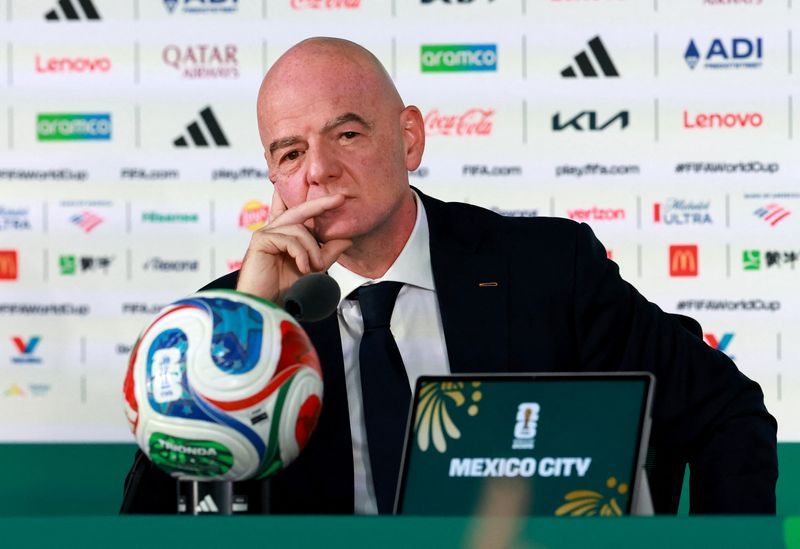
FIFA's recent show of unity in Rabat masks a deepening crisis over how the world's governing body makes strategic decisions, a fracture unlikely to heal before the 2027 presidential election despite Gianni Infantino's successful consolidation of political support. The governing body has issued a formal apology to its 211 member associations for bungling a proposal to monetise future World Cup commercial rights, admitting the initiative should have been handled with greater care and that crucial stakeholders felt excluded from deliberations. Yet beneath this conciliatory gesture lies a more fundamental question about transparency and accountability in FIFA's decision-making apparatus—one that extends well beyond the abandoned commercial scheme and threatens to reshape how the organisation engages with its constituent members.
The immediate catalyst for FIFA's retreat was the fiercest internal revolt of Infantino's tenure, triggered when national federations discovered they had been sidelined from a pivotal discussion about selling rights to future tournaments. In response, FIFA committed to conducting a comprehensive review and presenting findings to its Council at a forthcoming meeting. Secretary General Mattias Grafstrom, in a memo to staff, acknowledged a "sad and reproachable series of events" while cryptically noting that "individuals, unstable moments and unfortunate episodes come and go"—language analysts interpreted as tacit criticism of decision-making processes without directly implicating the president. The organisation simultaneously stressed that its conduct complied with existing regulations, suggesting the failures were procedural rather than legally improper, a distinction that may offer limited reassurance to disaffected members.
Infantino's immediate political objective—securing a stable platform for his March election campaign in Morocco, where he seeks a fourth mandate extending through 2031—has been achieved. The FIFA management board and Grafstrom publicly endorsed the president on Wednesday, and Infantino reciprocated by praising administrative performance. Photographs of the pair smiling at a women's Africa Cup of Nations match in Rabat served as visual confirmation of restored harmony. For Southeast Asian readers monitoring FIFA's trajectory, this matters because developments in global football governance ultimately shape how organisations like the Asian Football Confederation operate, influence tournament scheduling, and determine investment in regional competitions.
Yet this apparent calm obscures profound tensions within FIFA's power structure. UEFA, European soccer's governing body, has openly challenged Infantino's leadership, as have CONCACAF, which oversees North and Central American football, and the Asian Football Confederation. European Leagues, representing more than 1,300 clubs across the continent, have escalated criticism by highlighting FIFA's practice of imposing decisions on stakeholders rather than consulting them beforehand. The body specifically cited a four-week consultation window on a separate proposal to expand the 2030 World Cup from 48 to 64 teams as evidence of unrealistic timelines that precluded meaningful engagement. These grievances touch on sovereignty—major football confederations feel systematically marginalised from deliberations affecting their operations and revenues.
The commercial rights controversy illuminates how FIFA's centralised decision-making affects global football architecture. By attempting to secure rights to future World Cup revenues without transparent consultation, FIFA revealed that power flows downward from headquarters rather than emerging from consensus among equals. This structure historically benefited Infantino politically because smaller associations, particularly across Africa and Asia, remain dependent on FIFA development funding essential for national programme sustainability. These members have largely remained silent, providing Infantino with a stable constituency. However, the absence of organised opposition does not signify genuine contentment; rather, it reflects structural inequality where economically vulnerable federations dare not alienate the institution controlling their financial lifelines.
The controversy has fundamentally altered the political landscape surrounding FIFA's future strategy. Any forthcoming proposal involving commercial arrangements, tournament expansion, or governance reform will encounter sharply elevated demands for transparency, advance consultation, and accountability mechanisms. European confederations have made clear that the Rabat apology, while welcome, amounts to an opening position rather than final settlement of governance disputes. They appear determined to use the presidential election cycle and subsequent agenda-setting processes to institutionalise consultation requirements that would constrain future executives' capacity for unilateral action. This dynamic reflects broader global tension between centralised authority and stakeholder participation in international organisations.
Infantino's political durability remains intact because no credible challenger has emerged despite the controversy. The lack of a rival candidate suggests that while many stakeholders criticise current governance practices, no alternative figure commands sufficient support to mount a viable challenge. This paradox—widespread dissatisfaction coexisting with electoral inevitability—often produces institutional paralysis wherein grievances accumulate without generating systemic reform. For Malaysian football observers, this pattern carries implications because FIFA decisions about tournament scheduling, qualification pathways, and financial distributions directly affect Asian Football Confederation strategies and national team calendars. If FIFA remains inflexible on procedural reform despite mounting pressure, regional confederations may face continued frustration in shaping competitions affecting their members.
The distinction FIFA has drawn between procedural missteps and governance rule violations warrants scrutiny. By insisting that no regulations were breached, the organisation has essentially claimed that flawed processes remain lawful if they comply with formal structures. This position invites the counterargument that regulations themselves require revision to mandate genuine stakeholder consultation. European Leagues and confederations appear unlikely to accept this framing, suggesting that the Rabat reconciliation represents a tactical pause rather than substantive resolution. FIFA's simultaneous warning that it will "no longer tolerate any attacks on its integrity" signals that the organisation views governance criticism as inappropriate dissent rather than legitimate democratic discourse.
The path forward depends on whether FIFA translates apologies into structural changes that genuinely distribute decision-making authority. The promised review process will prove pivotal; if it generates only superficial modifications while preserving concentrated executive power, dissatisfaction will intensify approaching the next presidential election in 2031. Infantino's strategy of securing public support while conducting internal review buys time but does not resolve underlying tensions. Major confederations will scrutinise implementation carefully, and any perception that FIFA has reverted to opaque practices will reignite conflict. For Southeast Asian football stakeholders, monitoring FIFA's institutional evolution remains essential because decisions made in Zurich ultimately affect tournament opportunities and commercial arrangements that influence regional competitions.
The broader implication concerns FIFA's evolution as an international organisation. Most multilateral bodies have progressively shifted toward stakeholder engagement and transparent decision-making in response to legitimacy pressures. FIFA has historically resisted this trend, operating with considerable autonomy from member influence. The current controversy suggests this model faces mounting challenges, particularly as European confederations leverage their economic importance to demand governance reform. Whether FIFA ultimately adapts its institutional culture or maintains autocratic structures will define its trajectory through the remainder of Infantino's tenure and beyond, shaping how the organisation relates to regional confederations including those serving Asian, African, and other developing football nations.

