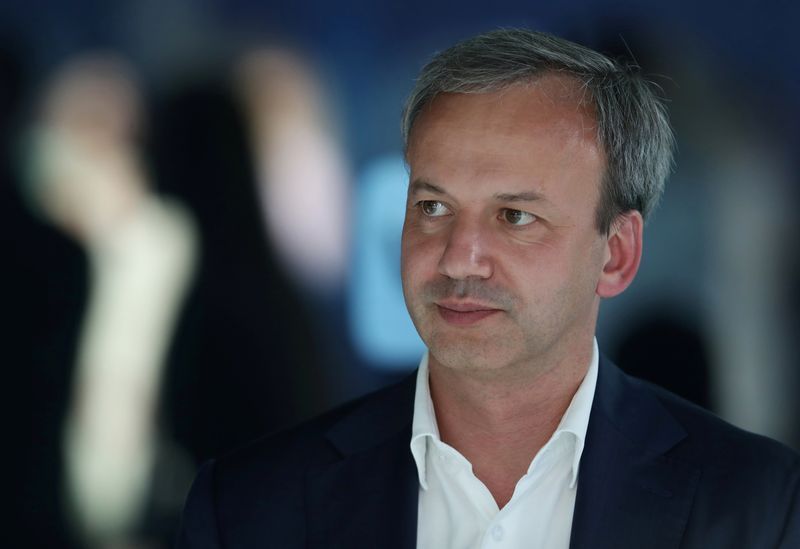
The upheaval in international chess governance intensified this week when Arkady Dvorkovich, the Russian president of the International Chess Federation (FIDE), announced he would step back from his operational duties following his placement on the European Union's most recent sanctions roster. The decision, announced on Friday through a statement on FIDE's official website, marks a significant moment for the global sport as geopolitical tensions continue reshaping institutional leadership across international sporting bodies.
Dvorkovich's suspension of duties comes directly in response to his inclusion in the EU's 21st sanctions package, a comprehensive set of punitive measures introduced in connection with Russia's 2022 invasion of Ukraine. The package targets 170 entities and 48 individuals with measures that can include asset freezes, restrictions on travel, and prohibitions on financial transactions. Dvorkovich characterised the EU action as "unlawful and unfair" and indicated he would challenge the sanctions through all available legal avenues, yet he acknowledged the immediate practical impediment such measures could create for FIDE's operational stability.
The decision to temporarily relinquish his presidential powers reflects a calculated pragmatism on Dvorkovich's part. While maintaining his assertion that the sanctions are unjustified, he recognised that the legal and financial complications arising from his sanctioned status could fundamentally undermine FIDE's ability to function effectively during a crucial period. By voluntarily stepping aside rather than forcing the federation to navigate the complications of sanctions compliance, Dvorkovich has attempted to shield the organisation from potential regulatory difficulties while preserving his ability to contest the EU's action in court.
Viswanathan Anand, the Indian chess grandmaster and former world champion, has been named interim president to guide FIDE through this transitional period. Anand's appointment carries particular significance for the chess world, given his stature as one of the sport's most respected figures and his demonstrated neutrality in geopolitical matters. His assumption of interim leadership provides the federation with a figurehead acceptable to the international chess community at a time when questions about institutional governance have intensified.
The timing of this development adds another layer of complexity to FIDE's leadership trajectory. Dvorkovich, who previously served as deputy prime minister of Russia before taking the helm of FIDE in 2018, had announced his intention to seek re-election to the presidency. That election was scheduled to occur during FIDE's general assembly at the Chess Olympiad in September, which is being held in Samarkand, Uzbekistan. The current arrangement raises questions about whether and how Dvorkovich might participate in his own re-election process, or whether the federation might adopt alternative governance arrangements before the assembly convenes.
The sanctioning of Dvorkovich represents only part of a broader pattern of EU enforcement actions targeting Russian sports leadership. The same sanctions package that affected the FIDE president also included Mikhail Degtyarev, Russia's Sports Minister and head of the country's national Olympic committee. Degtyarev has been instrumental in orchestrating Russia's campaign to restore its participation in the Olympic movement, a goal complicated by multiple layers of international sanctions and sports-related restrictions.
FIDE's own recent history reflects the broader institutional pressures created by the Ukraine conflict. The federation suspended Russia from its competitions following a ruling by the Court of Arbitration for Sport in June, a decision that represented FIDE's compliance with international sporting norms regarding countries involved in active military conflicts. This suspension has created a complex situation for Russian chess players, many of whom compete under neutral flags or affiliate with alternative chess organisations while their nation remains excluded from official FIDE events.
For Malaysia and Southeast Asian chess communities, these developments carry both symbolic and practical implications. The region has gradually increased its profile in international chess, with players from Malaysia, Vietnam, and Thailand gaining recognition through competitions and tournament victories. The disruption to FIDE's governance, particularly during a period when global chess administration faces questions about political influence and sanctions compliance, underscores the vulnerability of international sports institutions to geopolitical shocks. Malaysian chess officials and players may find themselves navigating complicated questions about participation in competitions where political considerations intersect with sporting requirements.
The situation also illustrates the delicate balancing act required of international sports leaders in an era of heightened geopolitical tension. Dvorkovich's decision to step back, rather than fight from the presidency, demonstrates awareness that institutional credibility depends partly on separating operational governance from political controversy. Yet the underlying tensions remain unresolved—the EU sanctions stand, Russia's sports isolation continues, and the fundamental question of how international sporting bodies should respond to state-level conflicts persists without clear consensus.
As the Chess Olympiad approaches in Samarkand, FIDE faces the practical task of conducting elections and determining its leadership direction under conditions of significant uncertainty. The federation must balance the interests of its Russian membership against its institutional obligations to comply with EU sanctions, while maintaining the appearance of political neutrality essential to its legitimacy as a global sports governing body. These competing pressures will likely shape the federation's governance for years to come, with implications extending far beyond the chess board.

