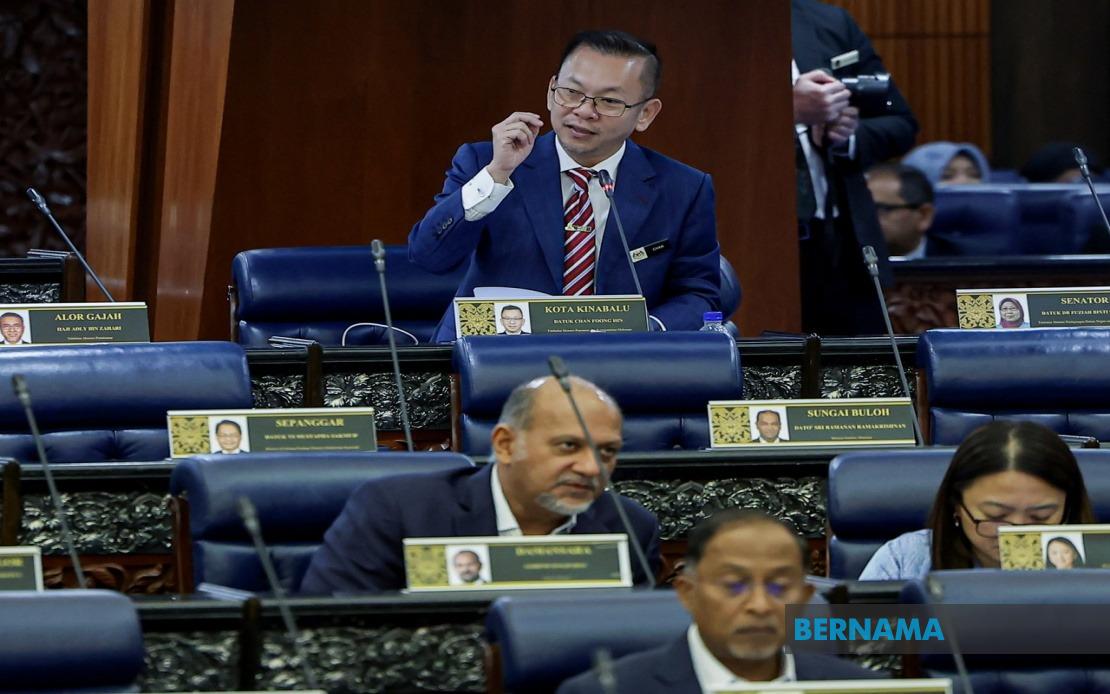
Efforts to establish comprehensive regulatory frameworks governing Malaysia's fertiliser sector have reached an advanced stage, with the Ministry of Agriculture and Food Security confirming that legislative work on a proposed Fertiliser Bill is substantially underway. Deputy Agriculture and Food Security Minister Datuk Chan Foong Hin revealed during parliamentary questioning that the ministry has achieved between 70 and 80 per cent progress in drafting the legislation, signalling that formal tabling before the Dewan Rakyat could occur within the foreseeable future. The bill represents a significant step toward addressing longstanding structural vulnerabilities in the nation's agricultural input supply chains, concerns that have intensified as global economic disruptions continue to reverberate through commodity markets.
The proposed legislation addresses three interconnected policy objectives that have gained urgency given recent instability in international agricultural markets. The bill seeks to establish enforceable quality standards for fertiliser products circulating within Malaysian distribution networks, create mechanisms to regulate and monitor the distribution chain from import through to end-user delivery, and establish conditions that support stable and reliable supplies of these essential inputs throughout domestic agricultural sectors. These provisions respond directly to recurring complaints from farming communities regarding access to substandard or unsuitable fertiliser products during periods of global market stress, a vulnerability that emerged prominently during recent international crises.
The genesis of this legislative initiative reflects genuine concerns raised by parliamentarians representing agricultural constituencies. Cha Kee Chin, representing the Rasah constituency under the Pakatan Harapan coalition, specifically highlighted farmer grievances regarding fertiliser product quality deterioration during international upheavals. Such complaints reflect a wider pattern wherein domestic agricultural producers become vulnerable to supply chain manipulation and quality degradation when external shocks disrupt normal market functioning. Deputy Minister Chan acknowledged these concerns constitute a legitimate policy priority, emphasising that statutory regulation would serve to protect agricultural stakeholders from exploitation through the distribution system.
The geopolitical context informing this legislative agenda extends beyond routine agricultural administration. Deputy Minister Chan explicitly connected the accelerating policy timeline to fallout from regional conflict in West Asia, which has triggered pronounced inflationary pressures across global energy and commodity markets. Rising fuel costs have directly translated into elevated prices for critical agricultural inputs, particularly fertilisers and pesticides, thereby compressing farmer profit margins and creating genuine risks of food supply disruptions across Malaysia. The ministry has identified this scenario as sufficiently serious to warrant coordinated governmental response across multiple policy dimensions simultaneously.
In response to these pressures, the government has already implemented several immediate interventions designed to cushion agricultural producers from input cost shocks. Temporary exemptions from sales taxation on fertiliser transactions represent one such measure, reducing point-of-purchase costs for farmers. Simultaneously, the ministry has expanded special assistance allocations targeted specifically at padi farming communities, providing direct financial relief to sectors most vulnerable to fertiliser price volatility. These emergency measures, however, remain temporary expedients; the Fertiliser Bill represents a more enduring institutional response intended to address underlying structural deficiencies within the supply and distribution framework.
The ministry's comprehensive strategic agenda for agricultural sector strengthening extends considerably beyond the fertiliser bill alone. Officials are simultaneously developing broader measures aimed at fortifying the agro-food ecosystem across multiple dimensions, including the establishment of emergency stockpile storage infrastructure designed to buffer domestic production against global supply disruptions. Such stockpiling capacity assumes particular significance for Malaysia given the nation's substantial dependence upon imported agricultural inputs and the strategic importance of maintaining domestic food production during international instability. The convergence of legislative drafting, financial support mechanisms, and physical storage infrastructure reflects coordinated policy thinking regarding agricultural resilience and food security.
The legislative timeline remains fluid, with Deputy Minister Chan explicitly soliciting parliamentary support for the forthcoming bill. His parliamentary statement constitutes an advance positioning effort, alerting legislators to the government's intention to advance this legislation and previewing the policy rationale underpinning the bill's provisions. Such positioning suggests that formal introduction could occur within coming parliamentary sessions, though exact timing depends upon finalisation of outstanding technical drafting elements and cabinet clearance procedures. The government's apparent desire to secure broad-based parliamentary endorsement indicates confidence that the bill addresses genuine policy needs commanding cross-party recognition.
For Malaysian agricultural producers, the proposed legislation carries substantive implications for operational stability and long-term planning. Regulatory standardisation of fertiliser quality would reduce uncertainty regarding product suitability and efficacy, enabling farmers to optimise input procurement strategies with greater confidence. Enhanced oversight of distribution chains could reduce opportunities for supply manipulation and intermediary exploitation, potentially moderating fertiliser costs through improved market transparency. More fundamentally, the bill signals governmental commitment to treating agricultural input security as a strategic policy concern meriting statutory intervention rather than reliance upon market mechanisms alone.
Regional implications extend beyond Malaysia's immediate borders, reflecting broader Southeast Asian vulnerabilities to global agricultural input market disruptions. Several regional economies confront similar challenges regarding fertiliser supply reliability and quality assurance, particularly given widespread regional dependence upon imported inputs combined with exposure to international price volatility. Malaysia's legislative approach to establishing regulatory frameworks and building storage capacity may inform policy discussions across neighbouring jurisdictions similarly confronting these challenges. The initiative also reflects recognition that food security encompasses not merely production capacity but reliable access to quality inputs essential for productive agricultural activity.
The fertiliser bill's progress through the legislative process will warrant close monitoring by agricultural stakeholders, industry participants, and policymakers across the region. Successful passage would establish binding regulatory requirements affecting importers, distributors, and retailers throughout Malaysia's fertiliser sector, necessitating compliance infrastructure development and operational adjustments. The bill's specific provisions regarding quality standards, permissible distribution practices, and supply management mechanisms will determine the degree to which the legislation effectively addresses identified vulnerabilities. Parliamentary scrutiny during subsequent legislative stages will likely explore technical implementation details and potential industry adjustment requirements.

