Prime Minister Datuk Seri Anwar Ibrahim used this week's parliamentary sitting to address longstanding political tensions over how the Federal Government distributes resources across Malaysia's states. During Ministers' Question Time on Tuesday, Anwar clarified that the vast majority of states actually receive more money from Kuala Lumpur than the tax revenue they generate locally, a crucial point for understanding the mechanics of Malaysia's federal system and dispelling claims of regional marginalisation.
The government's funding methodology prioritises development requirements and public welfare above simple revenue-sharing models, Anwar explained. This approach reflects a deliberate policy choice to concentrate resources where infrastructure gaps and poverty indicators suggest they are needed most. However, the Prime Minister also set clear parameters for how state governments can access additional funds. Any proposal involving a Notice of Change that requires renegotiation must go through formal channels before additional allocations or loans can be approved, ensuring fiscal discipline and preventing ad hoc budget surprises.
Parliament also strengthened Malaysia's legislative framework around sensitive issues during this sitting. The Sexual Offences Against Children (Amendment) Bill 2026 advanced, signalling the government's commitment to enhanced child protection mechanisms. Simultaneously, lawmakers passed the Cybercrime Bill 2026, which addresses emerging digital threats including deepfakes and non-consensual intimate image distribution—crimes that have proliferated globally as technology has become more sophisticated. This legislation represents Malaysia's effort to keep pace with the evolving threat landscape in cyberspace, where perpetrators can cause severe harm with minimal technical barriers.
The Employment Insurance System (Amendment) Bill 2025 also progressed through the chamber, reflecting ongoing efforts to modernise Malaysia's social safety net as the economy shifts toward greater service sector employment and gig work becomes more prevalent. These legislative achievements signal a Parliament focused on protecting vulnerable populations while adapting the legal framework to contemporary challenges.
Beyond criminal law, Minister in the Prime Minister's Department (Law and Institutional Reform) Datuk Seri Azalina Othman Said disclosed significant progress on contract law modernisation. The government has completed its final report on contract law reform, including detailed policy recommendations, comparative international analysis, and draft legislation. This work responds to Malaysia's need to update commercial frameworks, particularly regarding third-party rights and the integration of artificial intelligence into agency relationships. As Southeast Asian economies increasingly adopt AI for business operations, having clear contractual rules becomes essential for protecting all parties involved.
Cost-of-living pressures dominated discussions on economic management this week. Economy Minister Akmal Nasrullah Mohd Nasir described a daily monitoring system for essential goods and price movements, emphasising close coordination with Petroliam Nasional Berhad and private sector players. This approach attempts to balance free market principles with intervention to prevent critical shortages. The government is particularly focused on maintaining energy security, working with Petronas to ensure supply stability affects neither household consumers nor industrial operations vital to Malaysia's competitiveness.
Education received attention through the MADANI Book Voucher programme 2026, which Deputy Education Minister Wong Kah Woh revealed will reach more than 2.2 million students nationwide with RM221.6 million in allocations. Each student receives RM100 in electronic vouchers, redeemable from last Wednesday through October 31. This initiative aims to increase literacy engagement and book consumption among young Malaysians while providing economic stimulus to the publishing and retail sectors. The programme represents a tangible example of how federal resources can support human capital development.
Digital platform governance emerged as another priority, with Communications Minister Datuk Fahmi Fadzil confirming that the regulatory framework under the Online Safety Act 2025 is nearing completion. Significantly, an additional regulatory instrument specifically addressing private messaging features is being developed to clarify how digital platforms must manage harmful content. This move recognises that much of today's harmful activity occurs through private channels rather than public posts, requiring companies to accept greater responsibility for user-to-user interactions.
Innovative technology deployment featured prominently in the government's digital governance strategy. The Malaysian Communications and Multimedia Commission is piloting agentic AI technology to streamline complaint processing and reduce manual workload for enforcement officers. Social media platforms are simultaneously being encouraged to harness AI capabilities for detecting and removing community guideline violations more rapidly. This twin approach—government using AI to regulate more effectively, while platforms deploy the same technology to self-regulate—reflects recognition that the volume of online content now exceeds human moderation capacity.
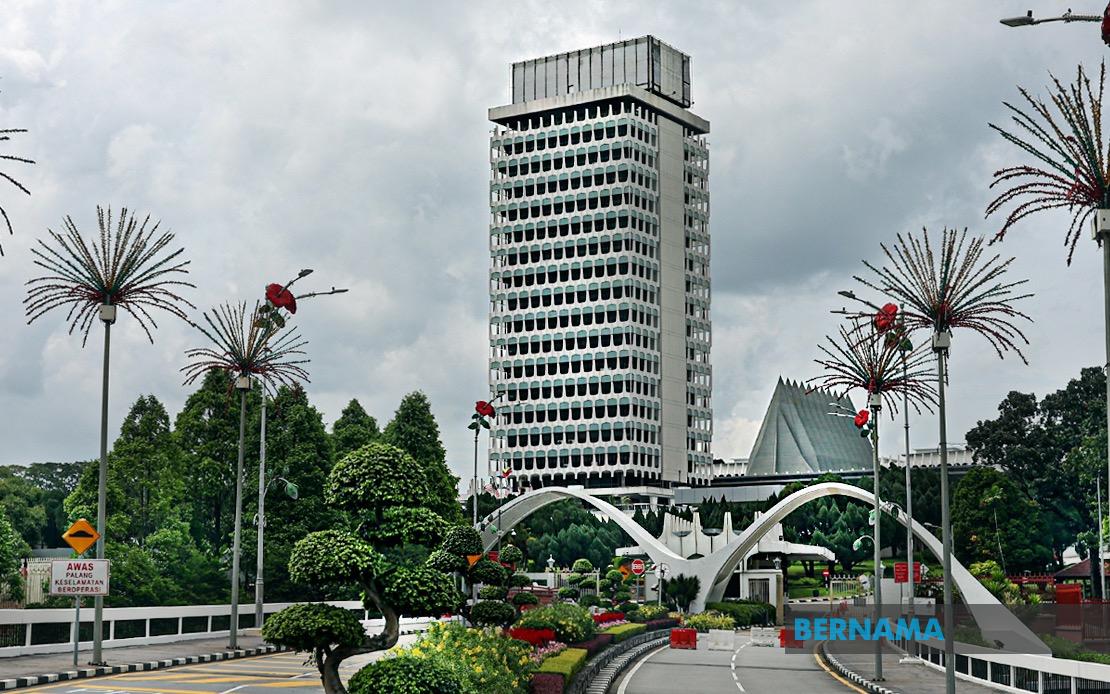
These developments across the Dewan Rakyat's second week reveal a parliament grappling with interconnected policy challenges that extend across fiscal federalism, criminal justice, economic management, education, and digital governance. The breadth of legislation indicates an administration attempting comprehensive modernisation of Malaysia's legal and regulatory infrastructure while maintaining focus on immediate cost-of-living concerns affecting ordinary Malaysians. The current 16-day sitting, running from June 22 to July 16, continues to shape the legislative agenda that will guide the nation's development trajectory.

