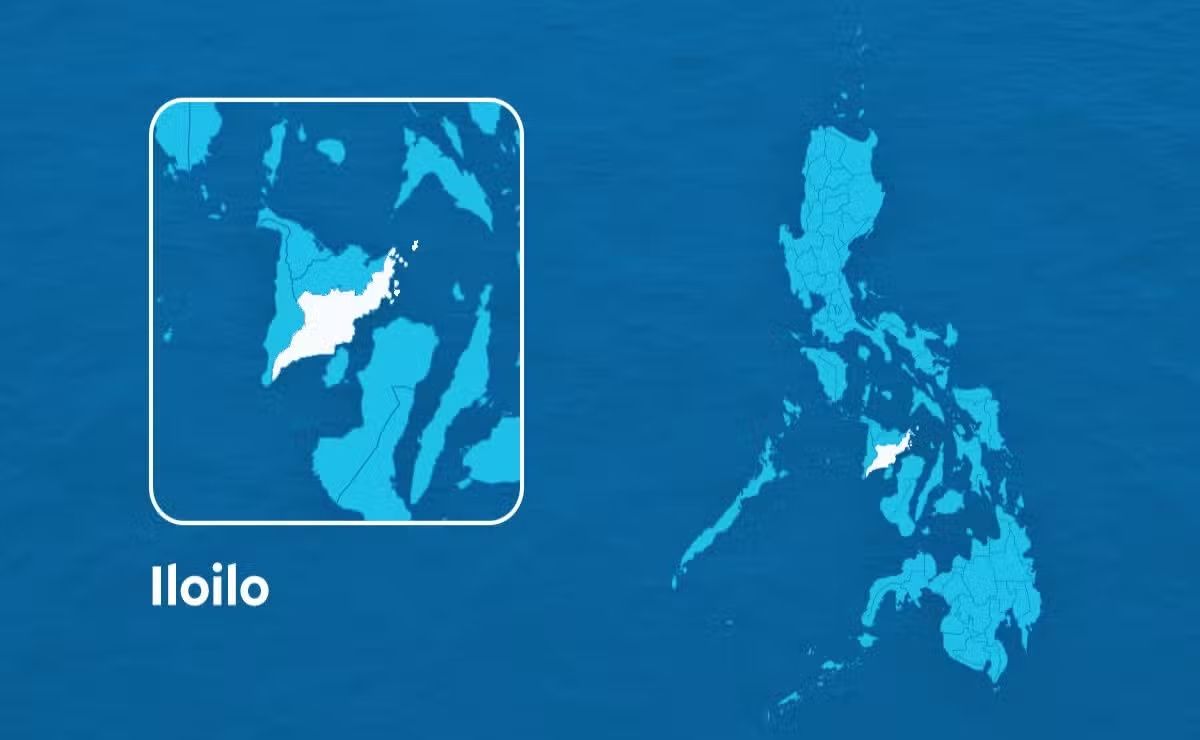
An Ilonggo businessman who has recently been added to the US Federal Bureau of Investigation's Most Wanted Fraudsters list is currently in the Philippines, according to confirmation from his family members this week. Rey Grabato II, whose designation by American authorities has drawn significant attention to the provincial community of Iloilo, remains in his home province while his relatives navigate the complex legal and health circumstances surrounding his situation.
The confirmation came from multiple members of the Grabato family, including Mina Rey Grabato, the father and current mayor of their town in Iloilo, who acknowledged on Friday that his son is present in Iloilo but provided no further details about his whereabouts or circumstances. The mayor's measured response reflected a family strategy to limit public commentary on a matter that has attracted both national and international scrutiny.
The FBI formally announced on Thursday, August 13, that Rey Grabato II had been placed on its Most Wanted Fraudsters list, citing a range of serious financial crimes. The charges include conspiracy to commit securities fraud, substantive securities fraud, conspiracy to commit wire fraud, wire fraud, and conspiracy to defraud the United States government with respect to tax obligations. These allegations represent a substantial array of financial misconduct spanning multiple jurisdictions and regulatory frameworks.
What distinguishes this case from typical fraud investigations is the significant medical dimension that the family has placed at the centre of their public response. Christopher Rey Grabato, the businessman's youngest brother, issued a comprehensive statement on Friday evening explaining that Rey II suffered a severe stroke that has left him with partial paralysis and significant mobility limitations. According to the family's account, he continues to experience substantial difficulties with communication and cognitive functioning, requiring ongoing medical care and rehabilitation.
The family's legal position, as articulated through Christopher Rey's statement, emphasises that neither Rey Grabato II nor any authorised representatives have received formal notice or summons from Philippine or United States authorities. This assertion carries important implications for how the case may proceed, as it suggests that while the FBI designation has been made, formal extradition or arrest proceedings have not yet commenced in Philippine jurisdiction. The distinction between being named on a wanted list and receiving formal legal notice represents a critical juncture in international criminal procedure.
Christopher Rey indicated that the family intends to address the matter through proper legal channels and will comply with any required legal processes that may be initiated. This measured commitment to cooperation, coupled with the emphasis on medical circumstances, appears designed to establish a foundation for negotiated resolution rather than confrontational enforcement action. The statement suggests the family recognises the seriousness of the allegations while attempting to frame the situation within broader humanitarian and medical contexts.
A central element of the family's defence strategy involves disputing the nature and extent of Rey Grabato II's responsibility for the alleged fraudulent activities. Christopher Rey pointed to reporting by Barron's, the financial publication owned by Dow Jones & Company, which cited federal prosecutors characterising his brother's leadership role at National Realty Investment Advisors (NRIA) as merely "titular." This characterisation attempts to distinguish between formal titles and actual operational control, suggesting that Rey II may have held a figurehead position rather than wielding genuine authority over the organisation's conduct.
According to the family's account, the actual governance and management of NRIA was conducted by Thomas Nicholas Salzano, who has already been apprehended by federal authorities. The positioning of Salzano as the primary operational figure represents a critical component of the defence narrative, suggesting that responsibility for the fraud should be attributed to those who exercised actual control rather than those holding formal positions. This argument reflects a common defence strategy in complex financial crime cases involving multiple corporate actors.
For Malaysian and Southeast Asian readers, this case carries several important implications. First, it demonstrates the reach of US financial crime enforcement even into remote provincial areas of the region, illustrating how American authorities pursue fraud cases regardless of geographic distance. Second, it highlights the complexities that arise when international criminal investigations intersect with serious medical conditions, a situation that could emerge in regional extradition cases. Third, the case underscores the importance of distinguishing between nominal and actual corporate control in fraud investigations, a distinction that becomes increasingly critical as business structures across Asia grow more complex.
The situation also raises questions about the coordination between Philippine and American law enforcement agencies, and whether formal extradition proceedings might eventually be initiated. The Philippines maintains mutual legal assistance treaties with the United States, creating a framework through which evidence could be exchanged and individuals could potentially be transferred for prosecution. However, the medical condition cited by the family may complicate any such proceedings.
The family's public appeal for restraint and understanding reflects an awareness that the case has attracted attention beyond legal circles, affecting both the family's reputation and their standing in the local community. By emphasising medical circumstances and contesting the characterisation of Rey II's role in the alleged fraud, they are attempting to shape public perception while preserving legal defences for formal proceedings.
As this matter develops, observers will be watching to determine whether Philippine authorities receive formal extradition requests, how medical considerations might influence any legal proceedings, and whether the distinction between titular and actual corporate authority will prove persuasive to prosecutors and courts. The case exemplifies the challenges that arise when international financial crime enforcement intersects with personal medical crises and complex corporate structures spanning multiple jurisdictions.

