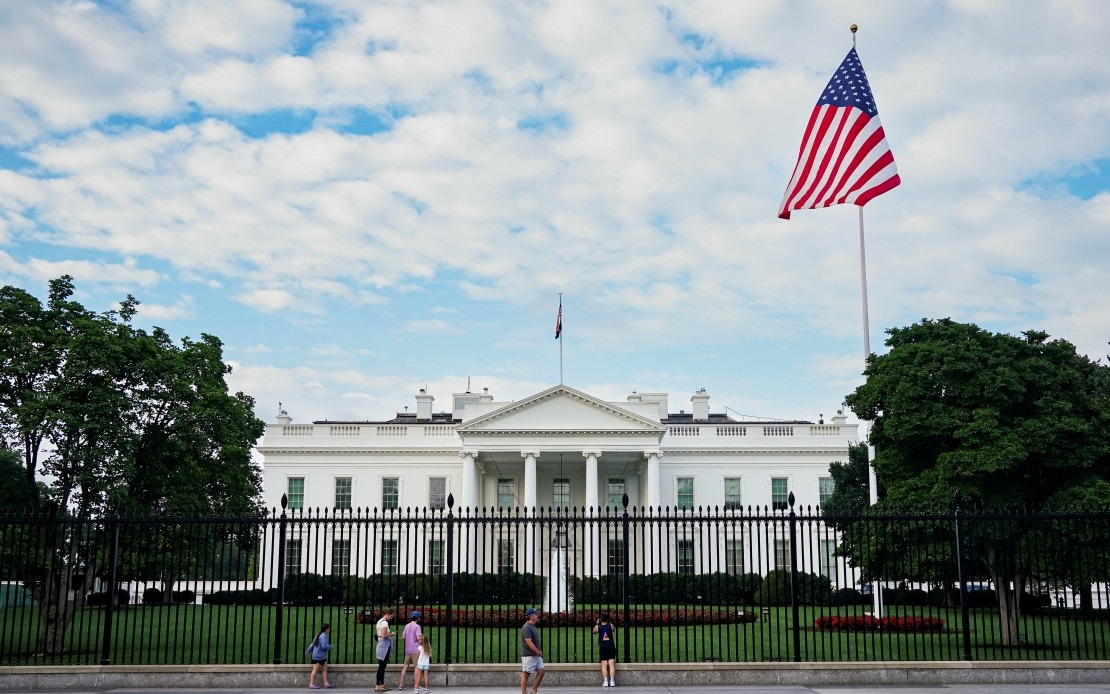
The FBI has announced the disruption of what officials describe as a coordinated attack plan against a high-profile cage-fighting event held at the White House on Sunday, marking both President Donald Trump's 80th birthday celebration and the United States' 250th anniversary. FBI Director Kash Patel disclosed the operation through a social media post on Tuesday, revealing that law enforcement had become aware of the potential threat on June 10, giving authorities a six-day window to investigate and respond. The rapid intervention prevented what could have developed into a serious security incident at one of America's most sensitive locations.
According to law enforcement officials cited by Fox News, the alleged scheme involved a sophisticated multi-phase approach designed to maximize casualties and create chaos. The initial plan reportedly centred on deploying explosive-laden drones to target buildings in proximity to the UFC event, thereby triggering mass panic and forcing large crowds into specific corridors where a pre-positioned sniper team would be stationed. This methodical approach suggests a level of coordination and tactical planning that extends beyond spontaneous violence, raising concerns about the individuals' training, resources, and connections. The subsequent alleged intention to launch a second wave to breach the White House perimeter indicates attackers viewed the sniper phase as merely the opening stage of a more ambitious assault.
As of Monday, five individuals were in custody facing charges related to the plot. More significantly, federal investigators have identified 23 people as part of what they characterise as a potential network of plotters, suggesting the scope of the conspiracy extended considerably beyond the arrested individuals. This larger network identification raises important questions about the depth of coordination, financing, and ideological motivations driving such a plot. The scale suggests authorities may be uncovering connections between multiple extremist cells or individuals, a pattern that intelligence agencies have increasingly documented in recent years across North America.
The UFC America 250 event itself proved to be a remarkable undertaking, held on the South Lawn of the White House with approximately 4,000 spectators in attendance. The decision to host such a large gathering at the executive residence during heightened security concerns reflected confidence from the Trump administration, though it also drew legal opposition. Two Virginia residents filed lawsuits arguing that the event violated federal regulations governing use of the White House grounds, with critics contending that a cage-fighting spectacle was an inappropriate use of this symbolic venue. However, a federal judge in the US District Court for the District of Columbia rejected these challenges on Friday, allowing the event to proceed without legal obstruction.
The alleged plot represents a troubling continuation of escalating political violence in the United States. Just months earlier in April, an armed individual breached security at the White House Correspondents' Dinner, penetrating the checkpoint while carrying guns and knives, and was subsequently charged with attempted presidential assassination. That incident demonstrated vulnerabilities in even heavily secured presidential events, and the UFC plot allegedly uncovered in June reflects a pattern of individuals or groups identifying vulnerabilities in high-profile gatherings where political figures congregate. For Southeast Asian observers, these incidents underscore the persistent security challenges facing democracies with public-facing leadership and large-scale gatherings.
The detection and prevention of this plot illustrates how intelligence and law enforcement agencies balance open democratic participation with robust security protocols. The FBI's six-day window between learning of the threat and the actual event suggests the bureau mobilised substantial investigative resources, including surveillance, informant networks, and coordination with other federal agencies. The identification of 23 affiliated individuals indicates authorities deployed comprehensive digital forensics, communications intercept analysis, and field investigation to map the full extent of the conspiracy. This approach, while successful in this instance, raises ongoing questions about privacy, the scope of surveillance authorities, and where governments should draw lines in preemptive intervention against alleged plotters.
For Malaysian and Southeast Asian readers, the incident offers insights into how Western democracies confront internal security threats while maintaining open governance. Malaysia has encountered its own security challenges, including previous incidents involving foreign fighters and extremist networks, making comparative analysis valuable. The American approach relies heavily on federal law enforcement investigation and court proceedings rather than military or intelligence service operations, reflecting institutional structures that differ fundamentally from those in most Asian nations. Understanding these different approaches helps contextualise both the strengths and limitations of various security models.
The broader context of American political polarisation cannot be separated from analysis of such plots. The alleged attackers did not emerge in a vacuum but rather operated within an environment characterised by intense partisan divisions, widespread distrust of institutions, and access to weapons and tactical knowledge previously unavailable to ordinary citizens. Regional governments and security analysts in Southeast Asia watch American security incidents carefully, as patterns of political violence, extremist recruitment, and attack methodologies sometimes migrate across borders or inspire copycat activities. The prevalence of drones in potential attack scenarios reflects technological democratisation—equipment once restricted to military use is now commercially available, creating novel security challenges.
The investigation's conclusion with multiple arrests and the successful event execution nonetheless represents a significant security success. The FBI's disclosure of the plot, while providing necessary transparency, also serves a deterrent function, signalling to would-be attackers that security agencies possess the capability and willingness to detect and disrupt conspiracies. However, the identification of 23 affiliated individuals suggests ongoing investigations and potential future prosecutions, indicating this particular case likely remains in active development. Authorities will need to establish the ideological motivations, funding sources, and connections between identified individuals to construct successful prosecutions and prevent future iterations of similar plots.
As the Trump administration continues its tenure, security for major presidential events will remain under intense scrutiny. The White House has demonstrated willingness to host large public spectacles, but the discovered plot underscores that such openness carries inherent risks requiring constant vigilance. Intelligence officials will likely conduct comprehensive after-action reviews to identify how the threat was detected, what gaps existed in security protocols, and what systemic improvements might prevent similar plots. These institutional lessons learned at America's highest levels of government carry implications for security agencies worldwide managing comparable challenges in their respective nations.