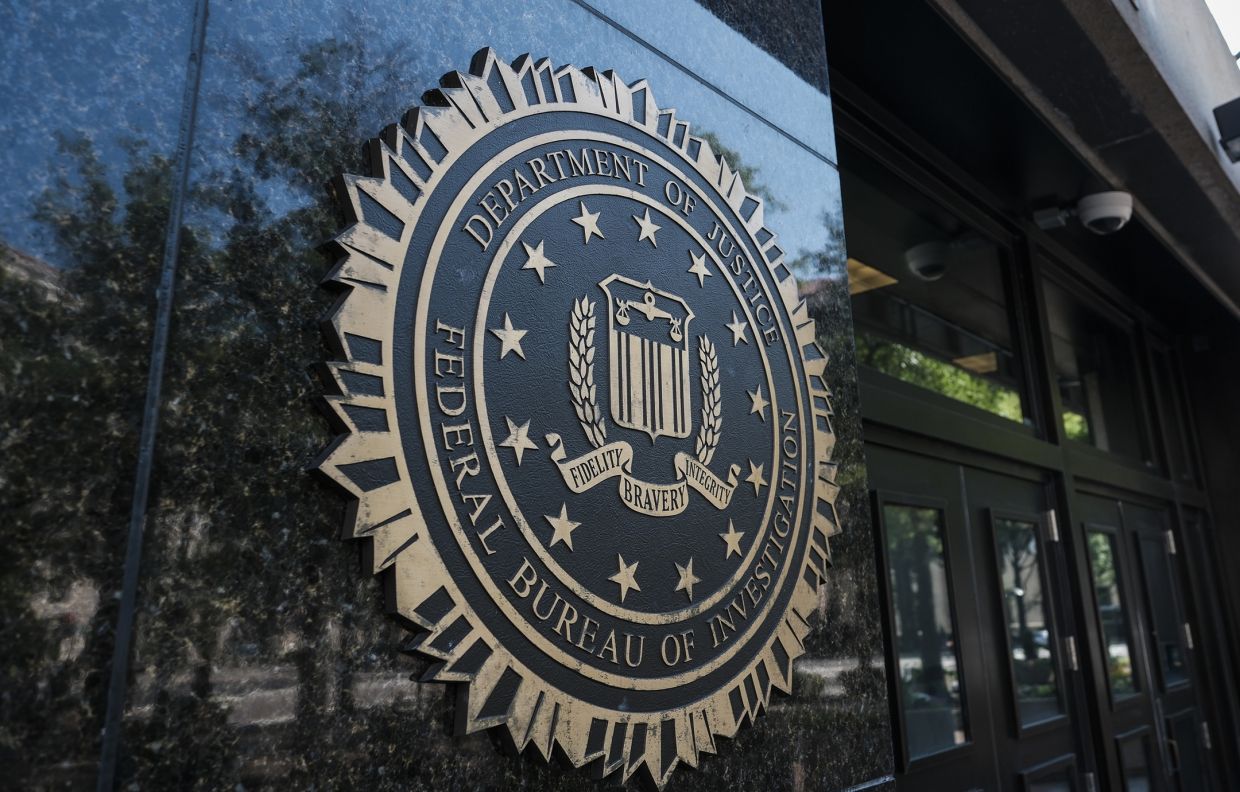
A supervisory FBI agent based in Washington has been taken into custody following his own admission to stealing cryptocurrency from a suspect's account, marking an unusual case of an federal law enforcement officer arrested on theft-related charges. Patrick Yaroch, the agent in question, voluntarily disclosed his actions to colleagues at the Justice Department after experiencing what investigators describe as a crisis of conscience, according to court documents filed in connection with the case.
The circumstances surrounding Yaroch's confession reveal a deeply conflicted individual struggling with his position. He approached an unnamed Justice Department employee and explained that his actions were emotionally overwhelming him, stating that he needed to "get it off his chest," according to the affidavit. This voluntary disclosure, rather than discovery through investigation, became the catalyst for federal authorities to act swiftly against one of their own.
When pressed on the exact amount involved, Yaroch indicated uncertainty about the precise sum due to commingling the stolen funds with his legitimate personal assets, but acknowledged the theft involved less than US$1 million (RM4.09 million). However, when investigators subsequently examined the cryptocurrency wallet where Yaroch had deposited the proceeds, they identified approximately one million dollars in holdings, significantly exceeding his initial estimate.
The thefts occurred over a compressed timeframe, with Yaroch claiming he initiated the scheme in late 2024 or early 2025, executing between 10 and 12 separate withdrawals. To accomplish this, he exploited access obtained during the FBI's official investigation—specifically, using a passphrase belonging to the original suspect that had been lawfully acquired as part of the bureau's investigative activities. This misuse of investigative tools and credentials represents a particularly grave breach of trust.
Yaroch's stated motivations, as conveyed to colleagues, centered on frustration with institutional constraints. He told associates that he had been "spinning out of control" and expressed dissatisfaction that the FBI "could not or would not act against adversarial cryptocurrency accounts." This narrative suggests internal conflict regarding his agency's enforcement priorities, though such concerns hardly justify personal criminal conduct.
The progression of events moved rapidly once authorities learned of the theft. Yaroch initially agreed to cooperate with investigators and indicated his willingness to continue discussions after consulting legal counsel on August 3. Rather than allowing this cooperation to unfold gradually, FBI leadership made the strategic decision over the weekend to execute a search warrant on his residence and proceed with arrest, prioritizing speed and control over the cooperation Yaroch had offered.
Court records indicate that Yaroch has been charged with possession of stolen property, a somewhat narrow characterization given the nature of his alleged conduct. Notably, he has not yet been formally charged with the theft itself, a distinction that may reflect the rapid pace of the investigation and authorities' decision to move forward with available charges rather than await a more comprehensive investigation. The absence of assigned counsel in court filings suggests he may not yet have secured legal representation.
Internet activity obtained during the search provides additional context to Yaroch's apparent motivations and aspirations. Court documents reveal that in May, he accessed ChatGPT and requested investment advice for approximately US$1 million, indicating a goal of retiring around age 40 and eventually establishing a slower-paced lifestyle centered on vineyard or agricultural operations in locations such as Cilento or Portugal's Dao region. This glimpse into his digital activity suggests aspirations that may have exceeded his legitimate compensation as a federal agent.
The case raises significant questions about oversight of federal agents with access to cryptocurrency seized during investigations. Yaroch's ability to exploit investigative credentials and passphrases points to potential gaps in compartmentalization and accountability systems within the FBI's digital forensics and financial crimes operations. For Malaysian readers and Southeast Asian observers, this incident underscores the emerging challenges that law enforcement agencies across the region face as digital assets become more prevalent in criminal investigations.
The cryptocurrency theft reflects broader tensions within federal law enforcement regarding digital asset enforcement. Yaroch's frustration with institutional responses to "adversarial cryptocurrency accounts" hints at resource constraints or policy disagreements that may be affecting FBI operations in this domain. His personal misconduct, however, cannot be justified by institutional shortcomings and instead demonstrates why robust internal controls and oversight mechanisms are essential as agencies navigate the complexities of digital asset investigations.
This incident carries implications for how financial regulators and law enforcement agencies throughout Southeast Asia approach cryptocurrency regulation and investigative procedures. As nations like Malaysia increasingly focus on financial crime prevention and digital asset oversight, the Yaroch case illustrates why compartmentalization of access, robust audit trails, and regular internal compliance reviews are not merely bureaucratic necessities but critical safeguards against the misuse of investigative authority.
The rapid arrest and prosecution reflect the seriousness with which federal authorities view insider threats, particularly when trust has been breached. While Yaroch's voluntary confession demonstrated some measure of accountability, the swift enforcement action sends a clear message about the consequences of exploiting investigative access for personal gain, regardless of the perpetrator's position within the institution.

