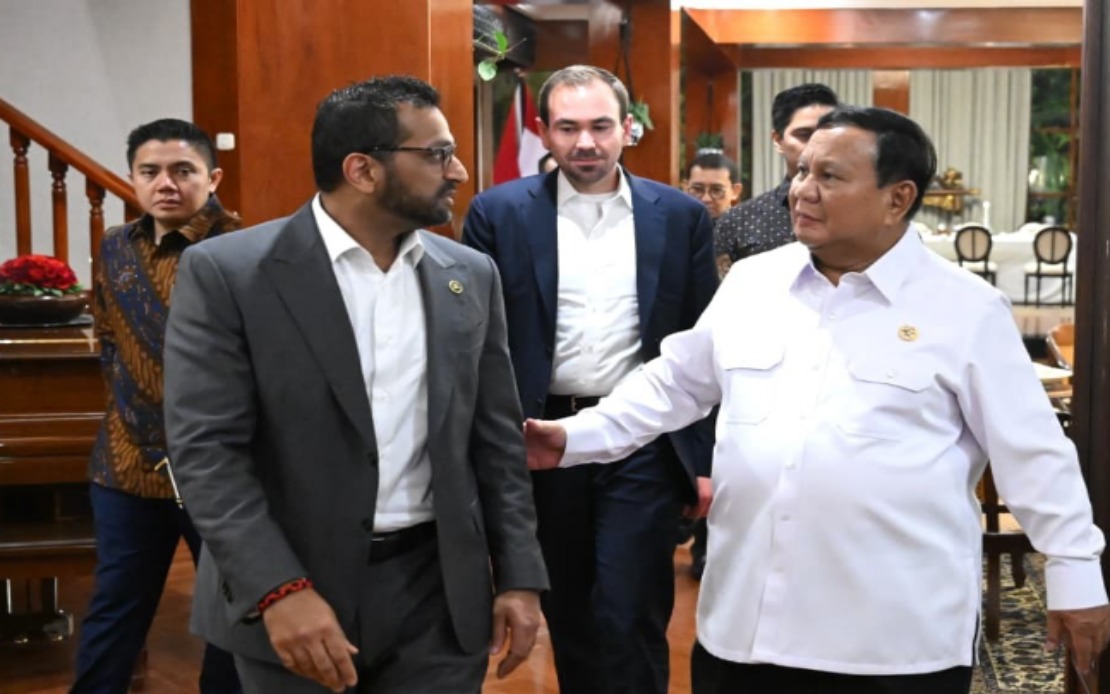
Jakarta is marking a significant diplomatic and cultural moment as the Federal Bureau of Investigation formally returned a collection of Indonesian artefacts that had been illegally smuggled into the United States. FBI Director Kash Patel presented the objects directly to President Prabowo Subianto during an official courtesy call at Kertanegara in Jakarta on Wednesday, cementing the latest chapter in what Indonesia's government views as a promising avenue for recovering its dispersed cultural heritage.
Culture Minister Fadli Zon characterised the handover as evidence of strengthening institutional bonds between Jakarta and Washington on matters of cultural preservation and sovereignty. Speaking through the Presidential Secretariat, he underscored Indonesia's determination to harness these diplomatic channels more extensively, signalling that further cooperation with the FBI would involve closer coordination with the State Secretariat and the Ministry of Foreign Affairs. This multilateral approach suggests that Jakarta is institutionalising repatriation efforts rather than treating them as isolated transactions.
The artefacts themselves carry profound significance for Indonesia's indigenous communities. The returned pieces originate from Papua, including cultural objects belonging to the Dani and Asmat peoples, as well as communities surrounding Lake Sentani. These groups represent some of Indonesia's most distinct cultural traditions, with artefacts serving as tangible connections to ancestral histories and spiritual practices. Fadli's emphasis on their "significant historical and cultural value" reflects Jakarta's understanding that these objects represent far more than museum pieces—they embody communal identity and heritage.
Establishing provenance, or documenting an object's legal ownership history, formed the foundation for recovery in this instance. Indonesian authorities and their FBI counterparts conducted research that conclusively demonstrated the artefacts had been trafficked illegally into American territory. This forensic approach to cultural restitution represents a sophisticated development in how nations pursue heritage recovery, moving beyond emotional appeals to evidence-based claims that international law and bilateral agreements can recognise and act upon. For Southeast Asian nations grappling with colonial-era looting and modern-day smuggling, such methodologies offer a template for systematic reclamation.
The FBI's track record in assisting Indonesia extends beyond this single transaction. Previously, the bureau has aided in recovering stolen bronze statues and artefacts from multiple cultural sites across the archipelago. This history of cooperation suggests that American law enforcement recognises both the legal merit and diplomatic value of supporting heritage repatriation efforts. For Indonesia, the relationship offers access to investigative resources and international networks that individual governments often lack when pursuing objects scattered across foreign markets and private collections.
Cultural sovereignty—a concept Fadli explicitly invoked—has become increasingly central to how postcolonial nations frame heritage disputes. Indonesia's framing of repatriation as an exercise in restoring sovereignty reflects broader regional and global movements asserting that cultural objects form part of national patrimony deserving legal protection and return. This positioning moves repatriation beyond charity or goodwill gestures into the realm of rights and justice, lending moral and political weight to future recovery efforts.
The decision to display the returned artefacts at the National Museum rather than returning them exclusively to source communities or cultural institutions in Papua raises questions about public access and community agency. While centralised museum display ensures broad educational reach and protection, it also reflects longstanding tensions about whether Western-trained curators and metropolitan institutions should steward indigenous cultural objects. For Malaysian policymakers observing these dynamics, the case illustrates complexities in balancing universal museum missions against Indigenous community claims.
Indonesia's proactive stance on cultural repatriation carries implications for the broader Southeast Asian region. As wealthier nations and museums increasingly face pressure to return contested objects, Indonesia's success in leveraging diplomatic relationships and law enforcement cooperation could inspire similar initiatives elsewhere. Malaysia, Thailand, Vietnam, and other regional nations holding similar grievances about dispersed heritage may look to Jakarta's model as they pursue their own repatriation agendas with Western governments and institutions.
The involvement of high-level political figures—both FBI Director Patel and President Prabowo—in the handover ceremony signals that heritage recovery has transcended bureaucratic routine to become matters of state importance. This elevation reflects recognition that cultural identity and national patrimony resonate deeply with domestic constituencies while simultaneously serving diplomatic purposes. For a nation like Indonesia, reasserting control over its cultural narrative and physical heritage contributes to nation-building efforts and public confidence in government responsiveness to cultural concerns.
Fadli's explicit hope for "even stronger" future cooperation suggests Jakarta views this arrangement as nascent rather than mature. Thousands of Indonesian artefacts remain housed in Western museums, private collections, and storage facilities globally. The FBI partnership, while valuable, represents only one avenue among many for recovery. Expanding cooperation might involve capacity-building initiatives, training Indonesian cultural heritage professionals in international law, establishing formal repatriation request mechanisms, and coordinating across multiple US agencies beyond the FBI.
The practical challenge of implementing repatriation at scale remains substantial. Provenance research demands expertise and resources; legal claims often prove contested; and institutional reluctance persists in some Western museums. Yet this transaction demonstrates that momentum can build through sustained diplomatic engagement and strategic partnerships. For Indonesia and other developing nations seeking cultural justice, the lesson lies in persistence, documentation rigour, and leveraging bilateral relationships to achieve incremental but meaningful returns of heritage.

