The landscape of family life in Malaysia is shifting, and fathers must adapt accordingly. The National Population and Family Development Board (LPPKN) has underscored the evolving expectations placed on male family heads, arguing that modern fathers cannot afford to remain confined to their traditional breadwinner status. Instead, the organisation contends that fathers must emerge as catalysts for change within their families, actively participating in emotional nurturing, educational oversight, and fostering household resilience.
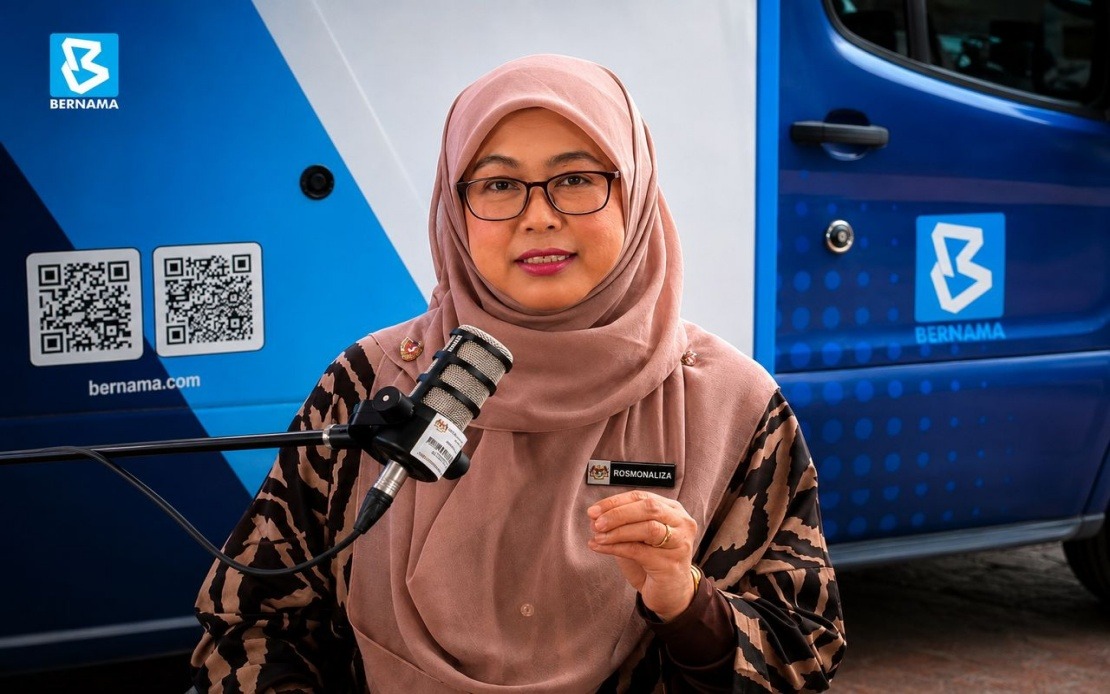
Rosmonaliza Abdul Ghani, director of LPPKN's Family Well-being Division, emphasised that effective family communication serves as the cornerstone of paternal relevance in contemporary Malaysia. The challenge facing today's fathers is both cultural and practical: they must unlearn decades of conditioning that positioned them outside the domestic emotional sphere while simultaneously developing new competencies in vulnerability, active listening, and pedagogical engagement. This transition is not merely aspirational—it reflects demographic and social pressures that demand fathers become full partners in child development rather than peripheral economic providers.
The shifting expectations extend beyond ideological repositioning. LPPKN has observed a measurable increase in men seeking professional counselling support, whether individually or alongside their families. This trend suggests that Malaysian fathers are increasingly recognising the limitations of traditional coping mechanisms and are willing to seek outside assistance when confronted with financial stress, mental health challenges, or relationship difficulties. The board has responded by establishing support mechanisms designed to create psychologically safe environments where men can articulate their struggles without shame or judgment.
According to LPPKN's offerings, fathers now have access to structured counselling services, therapeutic interventions, and personality assessments aimed at equipping them with tools to navigate contemporary pressures. These programmes acknowledge a critical reality: many fathers face compound stressors—economic uncertainty, workplace demands, social isolation, and societal expectations—that can undermine their capacity to engage meaningfully with their children. By providing institutional support rather than simply exhorting individual effort, LPPKN recognises that paternal transformation requires systemic enablement.
The consequences of paternal disengagement manifest visibly across Malaysian society. Practitioners working with vulnerable populations, including urban poor communities and street children, have documented how family instability correlates strongly with childhood delinquency, substance abuse, and poverty cycles. When fathers are absent—whether emotionally, physically, or due to their own struggles with addiction or economic desperation—children become susceptible to social pathologies that extend far beyond individual households. The institutional response to struggling fathers, therefore, carries implications for public health, criminal justice, and social cohesion.
Authentic engagement with fathers facing difficulties requires a compassionate rather than punitive framework. Confronting men who have internalised rigid identity constructs or who harbour defensive pride necessitates approaches grounded in dignity and religious or cultural principles that resonate with their own value systems. Shaming fathers or imposing external judgments proves counterproductive; instead, reframing responsible fatherhood as consistent with masculine identity, spiritual maturity, and family honour creates pathways for behavioural change that authorities and support organisations can actualise.
The quality of spousal and filial support significantly influences a father's capacity to navigate life's pressures without retreating into destructive coping mechanisms. When family members actively acknowledge paternal sacrifice, express appreciation, and provide emotional reciprocity, fathers are less likely to suppress their vulnerabilities or seek unhealthy outlets. This dynamic positions wives and children as active agents in family mental health rather than passive beneficiaries of paternal provision. The burden of family well-being is thus distributed across all members rather than concentrated upon the father alone.
Conversely, children often fail to comprehend paternal sacrifice until confronted with adult responsibilities or loss. LPPKN advocates for intergenerational communication that allows fathers and children to express affection and gratitude before circumstances render such exchange impossible. This message carries particular salience in Malaysian culture, where filial respect traditionally flows unidirectionally from children to parents, potentially suppressing expressions of appreciation that could reinforce positive paternal engagement.
The emphasis on quality time over material provision represents a subtle but significant recalibration of paternal value. Within contexts of rising living costs and economic competition, many Malaysian fathers pursue material accumulation as their primary expression of love and responsibility. Yet research consistently demonstrates that children derive greater psychological benefit from consistent, emotionally engaged presence than from expanded consumption. This message challenges a widely internalised model of success and requires fathers to reconceptualise legitimate fatherhood as compatible with economic constraints or reduced earning capacity.
The modernisation of paternal roles intersects with Malaysia's demographic and economic realities. Increasing female labour force participation means fewer households can sustain single-income models, placing direct time constraints on both parents. Rising education costs and competitive academic environments intensify parental anxiety about children's futures. Urbanisation and geographic mobility fragment extended family networks that once provided paternal role models and childcare support. Within this context, institutional support for fathers is not merely desirable but functionally necessary for family stability.
LPPKN's advocacy reflects international evidence that children benefit substantially from involved, emotionally responsive fathers. Beyond individual outcomes, communities with engaged fathers experience reduced juvenile delinquency, lower substance abuse rates, and improved educational attainment. The board's emphasis on helping fathers is thus simultaneously an investment in social stability, public health, and human capital development. Malaysia's competitive regional position depends partly on human resources quality, which is substantially shaped by family environments during formative years.
Moving forward, the challenge lies in translating LPPKN's institutional awareness into scalable, accessible programming that reaches fathers across socioeconomic strata. Rural fathers, migrant workers separated from families, and men in lower-income communities often lack access to formal counselling services. Digital platforms, community-based peer support networks, and integration with religious institutions could extend LPPKN's reach. Additionally, workplace policies that accommodate paternal caregiving responsibilities—flexible scheduling, parental leave provisions, and mental health support—would institutionalise the shift toward recognising fathers as essential to family functioning rather than incidental to it.

