A troubling case of suspected honour killing has emerged from Rajasthan's Dholpur district, where two young women have allegedly been murdered by their own family members. The Sadar Police received information in mid-June that Bharat Lodha, a father of four from Pharakpur village, had killed two of his daughters and disposed of their bodies in the river near Sagarpada Bridge. Upon receiving the allegations, investigating teams moved quickly to the location and began preliminary examinations to verify the account.
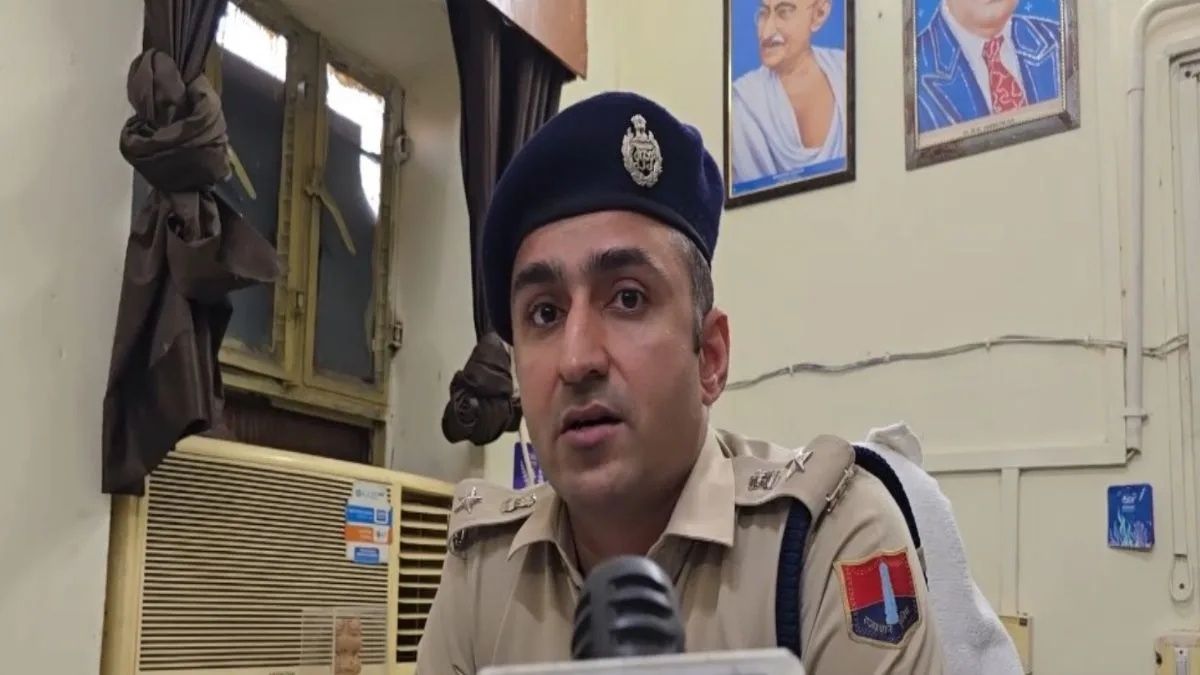
According to police statements, the tragic incident is believed to have occurred on the night of June 11, sometime between 9 and 10 in the evening. Superintendent of Police Vikas Sangwan outlined the emerging picture during initial inquiries, revealing that the deaths appear connected to a romantic relationship that the family had ostensibly rejected. This disapproval of a personal relationship falling outside family approval forms the crux of the honour killing angle that investigators are now pursuing with considerable urgency.
The investigative focus has expanded beyond Bharat Lodha himself. Police have identified several additional family members as suspects, suggesting that the alleged crime may have involved multiple participants in the decision-making and execution stages. This pattern of collective family involvement is characteristic of many honour-related crimes documented in parts of India, where such acts are sometimes treated as family matters rather than individual criminal acts. The involvement of multiple perpetrators also complicates the investigative process and raises questions about the family dynamics and social pressures that may have contributed to the alleged tragedy.
Police are currently working to reconstruct the sequence of events leading up to the alleged deaths. Investigators are examining crucial logistical details, including how the victims were transported to the bridge location, which family members accompanied them, and what means of conveyance were utilised. The timing of the alleged crime has been tentatively placed at between 9 and 10 in the evening, though authorities stressed this assessment remains subject to verification as investigations continue. These operational details are significant because they may help establish premeditation and the involvement of specific individuals.
The method of disposal—throwing the victims from Sagarpada Bridge into the river below—suggests a deliberate attempt to conceal the crime. This aspect of the alleged incident highlights the calculated nature of the suspected killing and the family's apparent efforts to eliminate evidence. Police teams have been conducting on-site examinations to gather physical evidence that might corroborate witness accounts or provide independent verification of what transpired. The river location and the timing of the alleged event present particular forensic challenges, as bodies of water can compromise evidence and complicate investigations.
Super Superintendent Sangwan emphasised that while preliminary findings point to family involvement and a connection to an unapproved romantic relationship, the investigation remains in its early stages. Police have deliberately refrained from drawing definitive conclusions about specific family members' roles or the exact circumstances of the deaths. This cautious approach reflects the complexity of honour-related crimes, which often intersect with cultural and social factors that require careful examination. Authorities acknowledge that several key aspects of the case still require verification before formal charges can be determined.
The investigation encompasses multiple strands of inquiry extending beyond the immediate circumstances of the alleged deaths. Police are examining the broader family dynamics and social context within which these events occurred, seeking to understand what motivated the family to resort to such extreme measures. Investigators are also attempting to establish whether there were any warning signs or prior incidents that might have indicated the family's violent intentions. In many honour-related cases, there are often periods during which tensions escalate, providing a trajectory that law enforcement can retrospectively identify.
This case reflects a troubling pattern of honour-related violence that continues to affect parts of India despite legal prohibitions and increased awareness. Dholpur district, like several other regions across northern India, has witnessed previous cases where families have committed violence against members, particularly women, over perceived transgressions of family or community honour. The persistence of such crimes despite legislative measures and police action points to deeply entrenched social attitudes and the complex interplay between individual agency and family pressure within certain communities.
The legal framework governing such cases in India includes provisions specifically addressing honour-related killings, with several states implementing enhanced penalties for crimes motivated by honour. Rajasthan police have made clear that charges will be determined based on the conclusions of their ongoing investigation. The precise nature of charges—whether they include premeditated murder, conspiracy, or other relevant offences—will likely depend on evidence regarding planning, communication among family members, and the degree to which each individual participated in the alleged crime. Prosecutors will need to establish a clear chain of events and individual culpability.
For Malaysian readers, this incident serves as a reminder that honour-based violence remains a significant problem across South Asia, with implications for diaspora communities and broader regional understanding of gender-based violence. While Malaysia has witnessed related incidents, including cases prosecuted under various legislative frameworks, the scale and frequency of such crimes in parts of India remain substantially higher. Malaysian authorities and civil society organisations continue to monitor honour-related violence as part of broader efforts to support vulnerable populations and prevent such crimes within local communities.
The investigation's progress will likely influence how authorities in India and the broader region address honour-related crimes moving forward. Successful prosecution and public awareness of such cases can serve as deterrents, while also highlighting the importance of community engagement and education to challenge the social norms that underpin such violence. For now, Dholpur district police continue their work to gather evidence, question suspects, and build the case that will determine the legal consequences for those alleged to be responsible for the deaths of the two young women.

