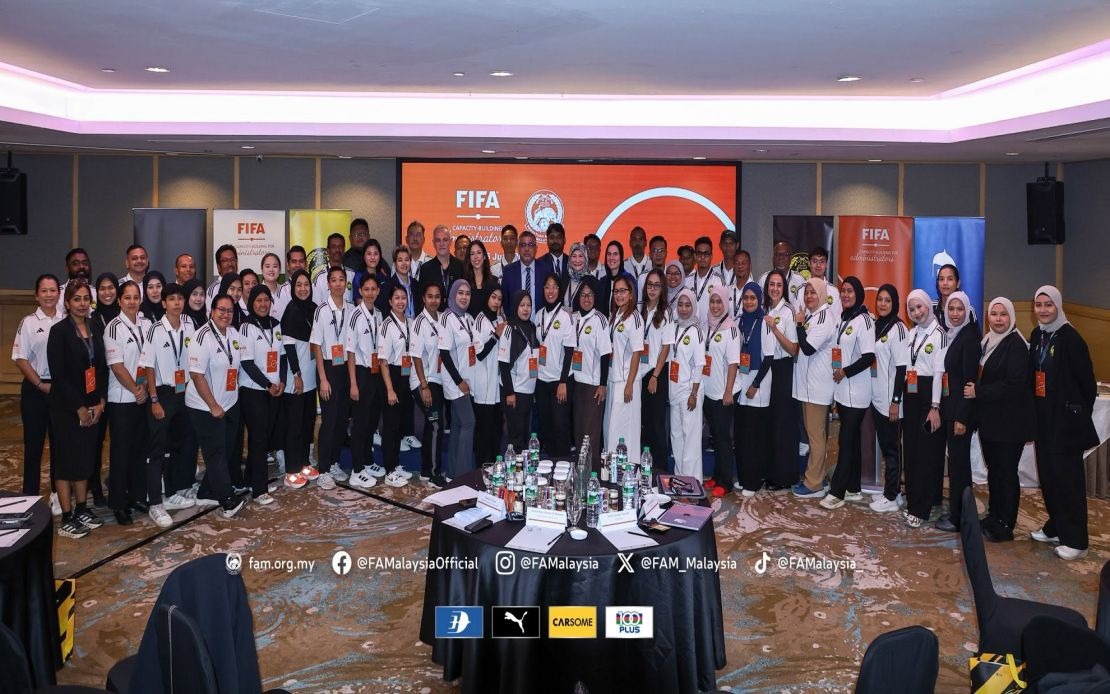
The Football Association of Malaysia is taking a strategic step to consolidate its women's football development by investing in the people who manage teams and oversee operations rather than solely focusing on technical player development. Beginning this week, FAM is hosting the FIFA Capacity-Building For Administrators 2026 programme, a comprehensive initiative designed to equip team managers, administrators, and aspiring female leaders with the skills needed to operate a modern football organisation. This four-day programme represents a pivotal shift in how Malaysian football views the infrastructure underpinning the sport at grassroots and professional levels.
The initiative stems from FAM's recognition that women's football cannot flourish on talent alone. While on-field performance matters, the ecosystem surrounding teams—including management practices, administrative efficiency, financial oversight, and strategic planning—determines whether young players remain in the sport and whether clubs function sustainably. By channelling resources toward administrative development, FAM acknowledges a gap in Malaysia's football infrastructure that has historically received less attention than player recruitment or coaching certifications. This aligns with broader trends across football, where governing bodies recognise that strong administration translates directly into competitive advantage and institutional stability.
The programme is being delivered by two FIFA Women's Football Development Experts, Safia Abdeldayem and Pema Choden Tshering, whose international credentials bring evidence-based practices to Malaysian football management. The curriculum spans several critical domains. Women's Leadership focuses on empowering female voices in decision-making roles, a crucial area given persistent gender imbalances in sports administration globally. Women's Competition modules address tournament structures, scheduling, and league governance. Club and Players' Rights ensures administrators understand their legal and contractual obligations, protecting the interests of athletes and organisations alike. Strategic Planning equips managers with frameworks for setting objectives, allocating resources, and measuring progress—skills that extend far beyond football into any professional setting.
This capacity-building effort arrives at a strategic moment for Malaysian women's football. The national team has made incremental progress in regional competitions, but sustained advancement requires not just talented players but also strong administrative foundations. When players represent their country, they depend on well-organised support systems: travel arrangements, medical facilities, nutrition programmes, mental health services, and clear communication channels. Weak administration in any of these areas undermines performance and player welfare. By professionalising the people managing these functions, FAM directly improves the environment in which athletes develop and compete.
The participation of senior FAM officials, including Secretary-General Datuk Noor Azman Rahman and FAM Women's Football Technical Director Soleen Al-Zoubi, signals institutional commitment to the programme's outcomes. More significantly, the presence of Datuk Suraya Yaacob, who holds positions in both the FIFA Women's National Team Competitions Committee and the Asian Football Confederation Women's Football Committee, underscores the programme's regional and international relevance. These are not ceremonial roles; they position Malaysian leaders at tables where continental and global women's football policy is shaped, allowing the country's administrators to learn from and contribute to regional best practices.
For Malaysian women's football clubs, this initiative carries practical implications. Many operate with limited resources and rely on volunteers or part-time administrators with minimal formal training in sports management. The programme creates opportunities for these individuals to acquire professional credentials and knowledge that improves how they operate. When club administrators understand competition regulations, player contract law, and financial planning, they make better decisions that benefit their organisations and the players within them. This trickle-down effect strengthens the entire system, from elite national teams down to grassroots academies.
FAM's emphasis on expanding female participation in leadership roles deserves particular attention in the Malaysian context. Women remain underrepresented in sports administration across Southeast Asia, often excluded from decision-making despite comprising half the population. By deliberately building female administrators and leaders, FAM creates role models and pathways for other women considering sports careers. This visibility matters; young girls are more likely to pursue football-related careers if they see women in positions of authority and influence within the sport.
The programme also reflects FIFA's strategic priority of developing women's football globally. The world governing body recognises that women's game expansion depends not just on investment in matches and players but on building local capacity. By supplying world-class instructors and curriculum, FIFA enables countries like Malaysia to access knowledge that would otherwise require expensive international consultancy. This democratisation of expertise accelerates capability development across federations, particularly those with smaller budgets.
Looking forward, the impact of this programme will be measured not immediately but over several years as graduates implement their learning. Administrators may introduce new tournament formats, implement better player management systems, or establish mentorship networks for emerging leaders. These incremental improvements compound, gradually raising professional standards across the women's football ecosystem. Success depends on participants applying their knowledge and FAM providing ongoing support and opportunities for advanced learning.
The timing also matters contextually. Southeast Asian football is becoming increasingly competitive, with countries across the region investing in women's development. Thailand, Vietnam, and the Philippines have made notable strides in recent years. Malaysia cannot afford to fall further behind; investing in human capital through programmes like this helps the country keep pace. Ultimately, FAM's decision to organise this capacity-building effort demonstrates that the federation understands women's football development is not a peripheral programme but a core strategic priority requiring sustained investment in people, not just facilities or international match schedules.

