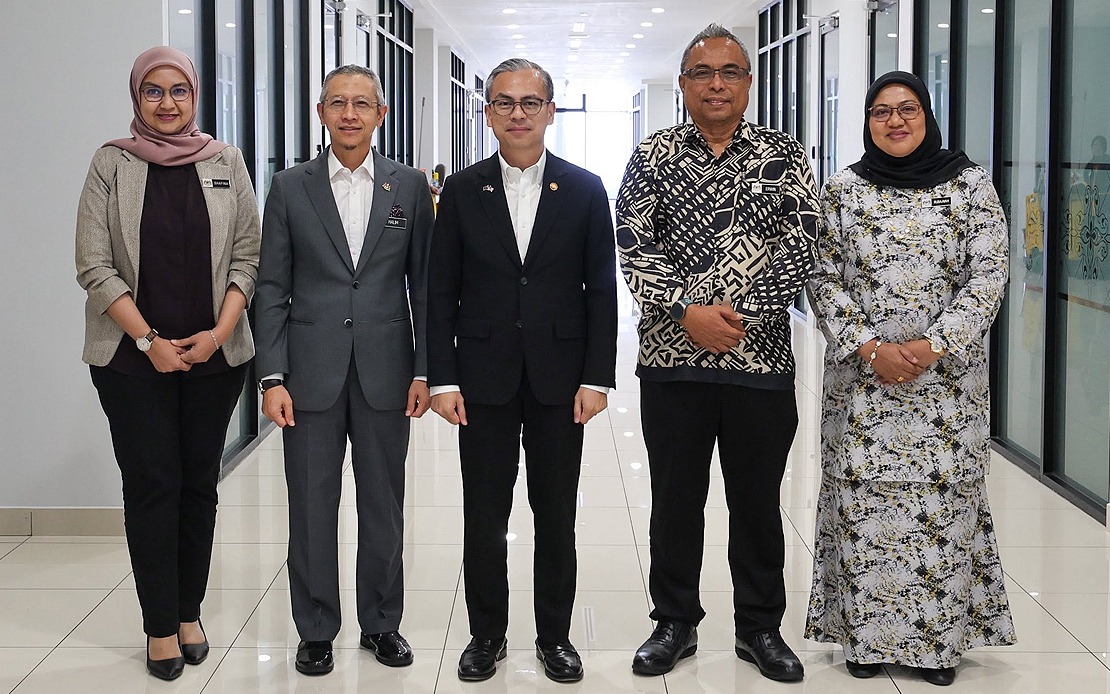
The Communications Ministry has formally welcomed fresh leadership at the Information Department, with Datuk Fahmi Fadzil extending his congratulations to two newly appointed senior officials who will steer the government's information delivery strategy. Erwin Khairul Ahmad assumes the role of director-general, taking over the helm of the department responsible for disseminating official communications to the Malaysian public, whilst Wan Saidatul Shafina Mohd Amin steps into the deputy director-general position overseeing digital content operations.
These appointments represent a significant transition within JaPen at a time when the department's work in managing government messaging has become increasingly complex. The Information Department functions as a critical bridge between federal agencies and citizens, tasked with ensuring that public communications remain coherent, timely, and accessible across multiple platforms. Fahmi's statement emphasised the importance of these roles in strengthening institutional capacity and public trust in official information sources.
In his remarks, the Communications Minister called upon both appointees to bring dedication, wisdom, and high morale to their responsibilities. His language suggested an expectation that the new leadership would bolster the department's effectiveness as a conduit for government information to the broader population. This framing reflects the ministry's broader concerns about information delivery in an era marked by competing narratives and the rapid spread of both verified and unverified content across social media platforms.
The transition also marks the conclusion of a tenure by Julina Johan, the outgoing director-general, whose leadership Fahmi publicly acknowledged. Fahmi expressed appreciation for her service, dedication, and contributions throughout her period heading the department, a courtesy gesture that underscores the professional nature of the handover and recognises the institutional knowledge that outgoing leaders bring to their posts. Such acknowledgment in public statements reflects Malaysia's civil service tradition of honouring departing officials.
The formal letters of appointment were presented by Tan Sri Wan Ahmad Dahlan Abdul Aziz, the director-general of the Public Service Department (JPA), signifying the official nature of these postings within Malaysia's structured civil service hierarchy. The Public Service Department plays a crucial role in managing senior government appointments across federal agencies, ensuring that such transitions follow established protocols and merit-based selection processes. This involvement adds a layer of institutional oversight to the appointments.
These leadership changes arrive during a period when government information management in Malaysia faces evolving challenges. The rise of digital platforms has fundamentally altered how citizens consume official information, requiring departments to develop sophisticated strategies for engaging audiences beyond traditional media channels. Wan Saidatul Shafina's specific remit over digital content suggests that the Information Department is prioritising its online presence and social media engagement as core components of its communications strategy.
For Malaysian readers, these appointments carry implications for how government announcements, policy explanations, and public information will be packaged and distributed. The quality of information management directly affects public understanding of government initiatives, from healthcare campaigns to infrastructure projects. A well-functioning Information Department ensures that citizens receive clear, accurate guidance during national emergencies and policy transitions, making the competence and focus of its leadership particularly consequential.
The appointment of Erwin Khairul and Wan Saidatul Shafina also reflects the government's attention to succession planning within federal institutions. Ensuring that capable officials move into senior leadership positions helps maintain institutional continuity and prevents gaps in administrative capacity. For the broader civil service, such appointments signal the pathways available for career advancement and the qualities that the government values in its senior officials.
Looking ahead, the new leadership team at JaPen will inherit several pressing responsibilities. Beyond routine information dissemination, the department must address public scepticism about official communications, counter misinformation, and navigate the complexities of delivering consistent messaging across federal, state, and local government levels. The digital transformation of government communications also demands technical expertise and strategic thinking about emerging platforms and audience preferences.
The timing of these appointments may also reflect broader ministerial priorities under Fahmi's watch at the Communications Ministry. Recent shifts in Malaysian political and administrative structures have created opportunities to recalibrate government communications strategies. New leadership at JaPen could enable the ministry to implement refined approaches to public engagement and information accessibility.
For Southeast Asian context, Malaysia's experience in professionalising its government communications reflects trends across the region. Nations throughout ASEAN are similarly investing in digital capabilities and more sophisticated information management structures. The appointment of Wan Saidatul Shafina to specifically oversee digital content aligns with this regional pattern of elevating online communications to a strategic priority.
The successful integration of these new appointees into their roles will depend partly on the support they receive from the ministry and the broader political leadership. Fahmi's public endorsement provides a foundation, but sustained institutional backing will be necessary for the department to realise its potential as an effective and trusted source of government information in an increasingly competitive media environment.
Ultimately, these appointments represent more than routine administrative transitions. They signal the government's commitment to evolving how it communicates with Malaysians at a moment when public trust in institutions and information sources faces unprecedented pressures. The next chapter in the Information Department's work will substantially depend on how effectively Erwin Khairul Ahmad and Wan Saidatul Shafina Mohd Amin can translate their mandate into institutional improvements and enhanced public engagement.

