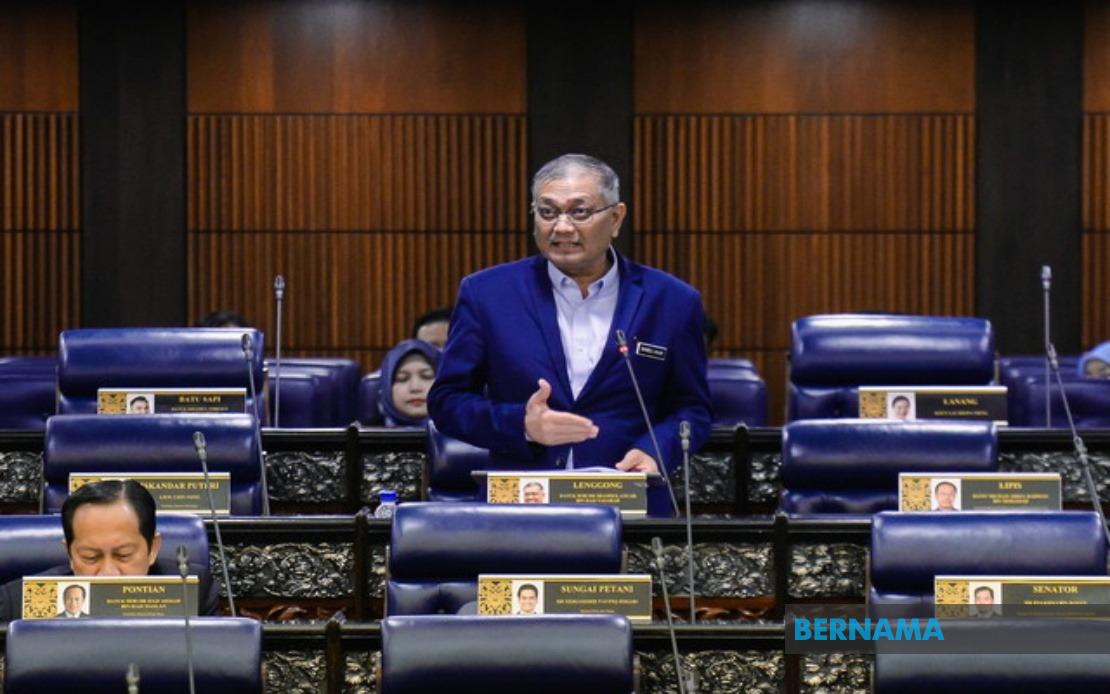
The Home Ministry has moved to defend the use of extra drills and field duties within the Royal Malaysia Police as a legitimate disciplinary mechanism rather than a punitive measure intended to cause physical harm. Deputy Minister Datuk Seri Dr Shamsul Anuar Nasarah made this distinction clear during parliamentary proceedings, emphasising that such duties function primarily to cultivate discipline and encourage behavioural reform among officers who have committed minor infractions. The clarification arrives amid heightened scrutiny of police training and disciplinary practices following a fatality in Sepang during May.
The deputy minister explained that the implementation of these extra duties falls under Paragraph 32 of the Inspector-General of Police's Standing Orders, specifically the regulations governing discipline for minor offences. This framework distinguishes between informal corrective measures applied to junior-ranking officers and the formal disciplinary procedures that apply to senior personnel. By establishing this distinction, the ministry seeks to provide a tiered approach to maintaining standards within the force, with different mechanisms calibrated according to rank and the severity of infractions committed.
In response to parliamentary concern raised by Roy Angau Gingkoi of GPS-Lubok Antu, Shamsul Anuar provided specific operational parameters governing how these duties must be conducted. Regulations mandate that field duties cannot exceed four hours daily and must not continue for more than five consecutive days. These limitations are designed to prevent excessive physical strain while still allowing sufficient time for the corrective exercise to achieve its disciplinary objectives. The supervising officer bears direct responsibility for ensuring that duties proceed in a prudent, controlled and safe manner, with explicit consideration given to the individual officer's physical condition, overall health, environmental factors and any other circumstances that might compromise their wellbeing during the assignment.
The timing of the clarification reflects the police force's response to the May incident that prompted renewed questioning about the safety and appropriateness of such training methods. Following that occurrence, the PDRM Integrity and Standards Compliance Department issued a new administrative directive dated June 29 that strengthens existing safeguards. The directive introduces a mandatory health assessment form that must be completed as part of the process preceding the imposition of extra duties. This additional procedural step creates a documented health checkpoint, ensuring that officers assigned to field duties are medically cleared and that any existing conditions are properly recorded before commencement.
The government's position reflects broader tensions within enforcement agencies across Southeast Asia regarding how to maintain discipline while protecting personnel welfare. Malaysia's approach, as articulated by the Home Ministry, attempts to navigate between maintaining rigorous standards and ensuring that corrective measures do not escalate into harassment or endanger officer safety. The introduction of health assessments represents a procedural evolution intended to address concerns about duty implementation while maintaining the disciplinary framework that the ministry contends remains necessary for force effectiveness.
When challenged over whether extra drills disproportionately affected lower-ranking personnel, Shamsul Anuar reiterated that Paragraph 32 was specifically designed as an alternative to formal disciplinary proceedings for junior officers. This targeted application reflects the hierarchical nature of police service, where different categories of officers operate under distinct regulatory frameworks. However, the deputy minister firmly rejected suggestions that the system enabled rank-based favouritism, arguing instead that senior officers remain subject to separate legal provisions appropriate to their service classification. This distinction underscores the complexity of applying uniform disciplinary standards across organisations with pronounced hierarchical structures.
Supplementary questions raised by Datuk Awang Hashim of PN-Pendang regarding bullying and ragging practices prompted Shamsul Anuar to emphasise that every disciplinary measure operates under strict procedural oversight. The deputy minister stressed that such duties cannot be imposed unilaterally at the discretion of superior officers but must follow established protocols. This procedural requirement aims to prevent the conversion of formal discipline into informal harassment or abuse. The emphasis on process rather than individual discretion suggests that the ministry recognises risks inherent in concentrated authority and seeks to institutionalise safeguards through mandatory procedures.
The parliamentary exchange illustrates how incidents within security forces can trigger broader policy discussions about operational standards. In Malaysia's context, as in other regional nations grappling with similar issues, public scrutiny of police practices has intensified in recent years. The Home Ministry's detailed response to what might have been dismissed as routine parliamentary questioning indicates sensitivity to public perception and legislative oversight. The willingness to articulate specific regulations, timelines and new procedural requirements suggests an attempt to demonstrate responsiveness to concerns while defending the underlying disciplinary framework.
For Malaysian observers and those across Southeast Asia monitoring police reform efforts, the Home Ministry's clarification demonstrates the ongoing tension between maintaining institutional discipline and safeguarding personnel welfare. The introduction of health assessment requirements represents an incremental reform that addresses specific concerns without fundamentally restructuring how police forces maintain order among their ranks. Whether such procedural additions prove sufficient to prevent future incidents or will require more comprehensive reform of training methodologies remains to be seen as the force implements these new directives across its operational units.

