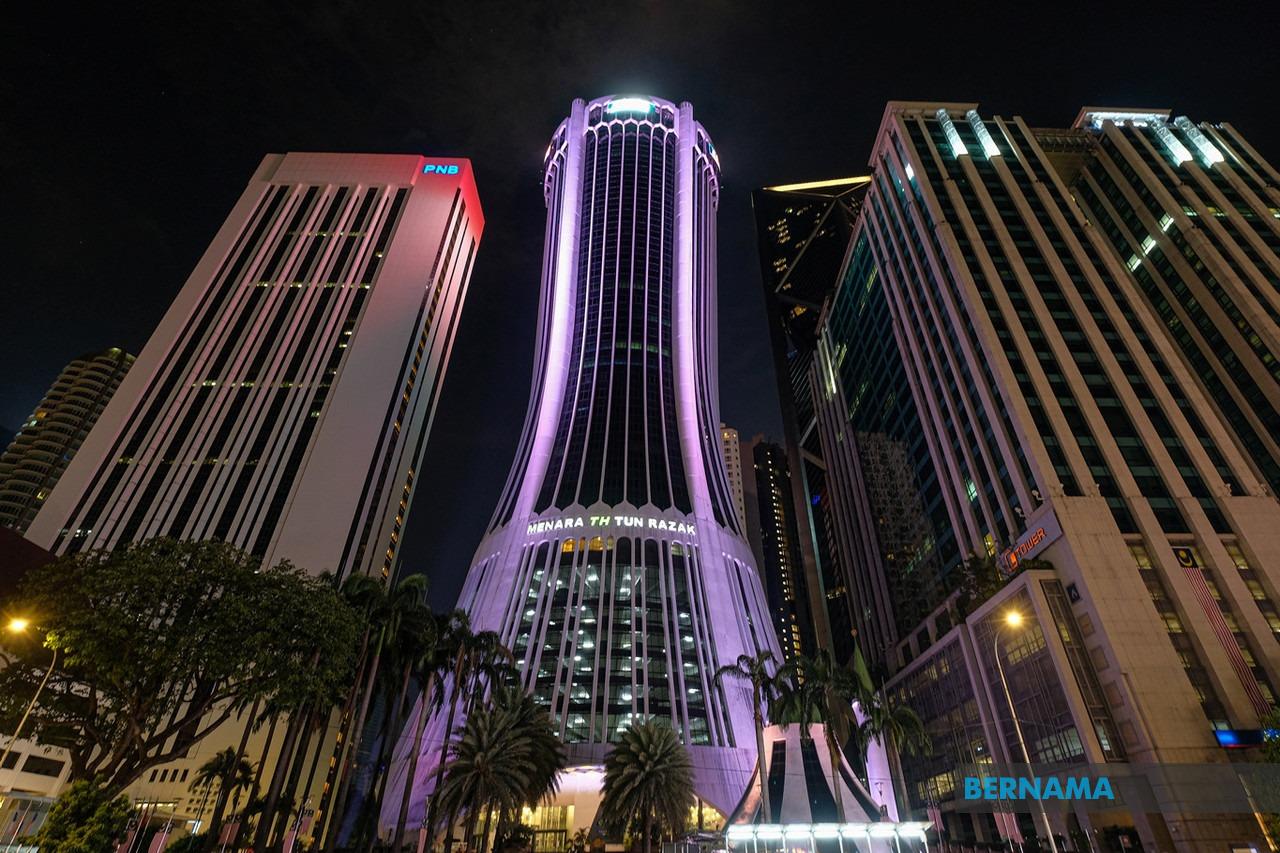
The pressure is mounting for the Malaysian government to expedite the public release of the Royal Commission of Inquiry report into Lembaga Tabung Haji, with multiple experts and officials arguing that transparency is essential to safeguard the financial security of millions of Muslim depositors. The delayed disclosure of the RCI findings has become a point of contention, particularly among those who view the prolonged silence as an obstacle to accountability and institutional reform at one of Malaysia's most significant financial trusts.
Dr Mazlan Che Soh, a political science senior lecturer at Universiti Teknologi MARA's Seremban campus, has articulated a nuanced position that balances the imperative for transparency with prudent governance considerations. He emphasises that while the public—and most critically, Tabung Haji depositors themselves—possesses a legitimate right to understand the inquiry's conclusions, the report's release must not serve as a mechanism for assigning culpability prematurely or for advancing narrow political agendas. His reasoning underscores a fundamental principle: Tabung Haji operates as more than a conventional financial institution, functioning instead as a sacred trust mechanism within the Muslim community, administered specifically to enable Malaysian Muslims to fulfil their hajj obligations.
The governance dimension of this issue carries particular weight in Malaysian context. Dr Mazlan argues that public disclosure would illuminate structural deficiencies within Tabung Haji's operations and establish accountability mechanisms that deter recurrence of past failures. His proposal suggests a measured approach: the government should release an executive summary alongside documentation of which RCI recommendations have already been implemented, coupled with clear articulation of forthcoming corrective measures. This graduated transparency strategy could satisfy public curiosity whilst maintaining the dignity of ongoing legal proceedings and investigative work.
The depositor protection angle represents perhaps the most compelling argument for swift action. Tabung Haji manages the hajj savings of approximately 9 million Malaysians, many of whom represent lower to middle-income segments of the population who have accumulated their pilgrimage funds through disciplined, modest contributions over years or decades. These individuals possess an undeniable stake in understanding what transpired during the period under RCI investigation, and in confirming that safeguards exist to prevent similar mismanagement or losses affecting their religious aspirations and financial security.
Dr Jamaie Hamil, a political science academic at Universiti Kebangsaan Malaysia, has positioned the issue within the broader trajectory of institutional reform across successive administrations. He observes that the Tabung Haji matter has consumed considerable public attention for an extended duration, yet meaningful improvements have materialised through interventions spanning from the first Pakatan Harapan government through to the current administration under the MADANI framework. This perspective suggests that delays in finalising and publicising the RCI report create a perception of unresolved crisis that undermines confidence in these reform efforts.
Civic engagement with the issue has extended beyond academic circles and government corridors. Wan Osman Hashim, a 70-year-old retired civil servant, articulated public frustration through a viral video posted to TikTok, subsequently amplified by Communications Minister Datuk Seri Fahmi Fadzil. Hashim's message reflected widespread concern that prolonged inaction damages Tabung Haji's institutional credibility and erodes public confidence in the government's commitment to protecting citizens' accumulated savings. His appeal for rapid resolution and justice emphasised the trust dimension central to Tabung Haji's social contract with depositors.
Political considerations undoubtedly factor into calculations surrounding the RCI report's release. Dr Mazlan acknowledges that disclosure could influence voter sentiment, particularly among Malay-Muslim populations and direct Tabung Haji stakeholders who might view the report through a politically charged lens. However, he contends that electoral dynamics are multifaceted and shaped by diverse considerations extending far beyond any single institutional crisis. Voter behaviour reflects calculations encompassing cost-of-living pressures, state government performance, candidate credibility assessments, inherited party loyalty, and grassroots mobilisation capacity. Consequently, the RCI report's release, whilst potentially affecting perceptions among some constituencies, would not necessarily catalyse wholesale shifts in broader political alignment.
Prime Minister Datuk Seri Anwar Ibrahim has signalled receptivity to recommendations for public disclosure. His expression of confidence that the Cabinet would endorse the proposal to make the RCI report public once formally tabled represents a potential pathway toward resolution. This political signal suggests that bureaucratic and legal obstacles to publication may prove manageable within a relatively compressed timeframe, pending formal Cabinet consideration and deliberation.
The institutional stakes surrounding this matter extend beyond Tabung Haji itself, touching on broader questions of governmental transparency, institutional governance standards, and public trust in state-administered financial mechanisms. For Malaysian depositors and the wider Muslim community, the RCI report represents a definitive accounting of what occurred during the period under scrutiny and a blueprint for future institutional safeguards. For policymakers and reform advocates, it offers diagnostic clarity regarding governance deficiencies and evidence-based recommendations for systemic improvement. Delayed release perpetuates uncertainty and undermines the credibility of reform narratives, whereas transparent disclosure—coupled with demonstrated commitment to implementing recommendations—would substantiate governmental claims of institutional renewal and reinvigorate public confidence in Tabung Haji's fiduciary stewardship.

