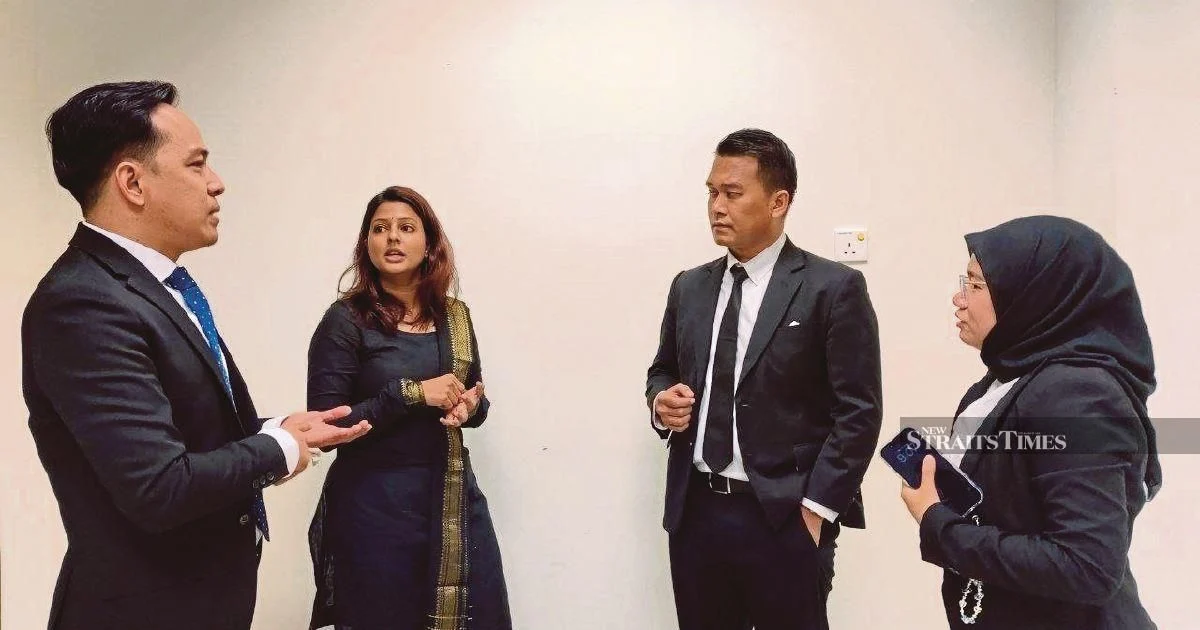
Testimony presented to the Coroner's Court in Kota Kinabalu has shed light on the handwriting characteristics of the late Zara Qairina Mahathir, with a specialised expert indicating that her script reflected patterns typically associated with the adolescent phase of development.
The examination of handwriting samples forms part of the broader investigative process in proceedings before the coroner, where various forensic and expert analyses contribute to establishing a comprehensive picture of circumstances. In this context, the state of Zara Qairina's handwriting development carries significance as part of the evidentiary record being compiled.
Handwriting analysis, known as graphology, operates as a discipline that examines the physical characteristics of writing to draw inferences about the writer's psychological state, maturity level, and other personal attributes. When an expert describes writing as being at an adolescent stage, this typically refers to the presence of certain graphological markers—such as fluctuations in pressure, inconsistent letter formation, variable slant, and inconsistencies in size and spacing—that suggest the writer was still in the developmental phase of refining their penmanship.
The characterisation of Zara Qairina's handwriting as "volatile" during this developmental stage is noteworthy, as volatility in script often indicates emotional or psychological turbulence. This terminology suggests that the writing showed pronounced variations and instability, which experts might interpret as reflecting an internal state of flux or emotional instability during the period in which the samples were produced.
For Malaysian legal proceedings, expert testimony regarding handwriting analysis can serve multiple evidentiary purposes. Courts rely on such analysis to authenticate documents, assess the writer's state of mind at the time of writing, and in some cases, to challenge or support claims about the authenticity of written materials. The coroner's court, in particular, often requires comprehensive evidence when investigating circumstances surrounding deaths, and handwriting analysis forms part of the multidisciplinary approach to fact-finding.
The presentation of this evidence in the Kota Kinabalu Coroner's Court underscores the thorough nature of inquiries conducted in such proceedings. Coroners in Malaysia operate under a mandate to investigate deaths and establish facts surrounding the circumstances, and they may call upon various expert witnesses—including those specialising in document analysis, handwriting examination, psychology, and forensic sciences—to build a complete evidentiary foundation.
The timing and context of when handwriting samples were produced can significantly influence their interpretation. If Zara Qairina's writing showed adolescent characteristics at the time she was significantly older chronologically, this might suggest delayed developmental maturity. Conversely, if the samples were produced during her teenage years, the assessment would align with expected developmental patterns. The volatility dimension adds another layer to the analysis, potentially indicating emotional turbulence concurrent with the physical instability evident in the script.
In the broader context of Southeast Asian legal systems, the admissibility and weight given to handwriting analysis varies. Some jurisdictions regard it with considerable caution, viewing it as supplementary rather than determinative evidence, while others accord it greater weight. Malaysian courts generally permit such evidence, particularly when the expert is appropriately qualified, though the ultimate weight assigned to such testimony remains within the court's discretion.
The involvement of handwriting experts in coroner's inquiries reflects the increasingly sophisticated forensic approaches adopted by Malaysian investigative and judicial authorities. Such analysis, when combined with other evidence—toxicological reports, medical examinations, witness testimonies, and contextual information—contributes to a more complete understanding of circumstances in complex cases.
For observers following proceedings in the Coroner's Court, the introduction of such specialised evidence demonstrates the rigorous nature of these inquiries. Rather than relying solely on obvious or surface-level information, the court systematically examines multiple dimensions of evidence to reach well-founded conclusions about the facts of each case.
The expert's assessment regarding the adolescent and volatile character of Zara Qairina's handwriting represents one component of the overall evidentiary picture being constructed through the coroner's proceedings. As the inquiry progresses through additional testimony and evidence presentation, the significance and interpretation of this handwriting analysis will be considered alongside other findings to establish a comprehensive factual foundation for the court's eventual determination.

