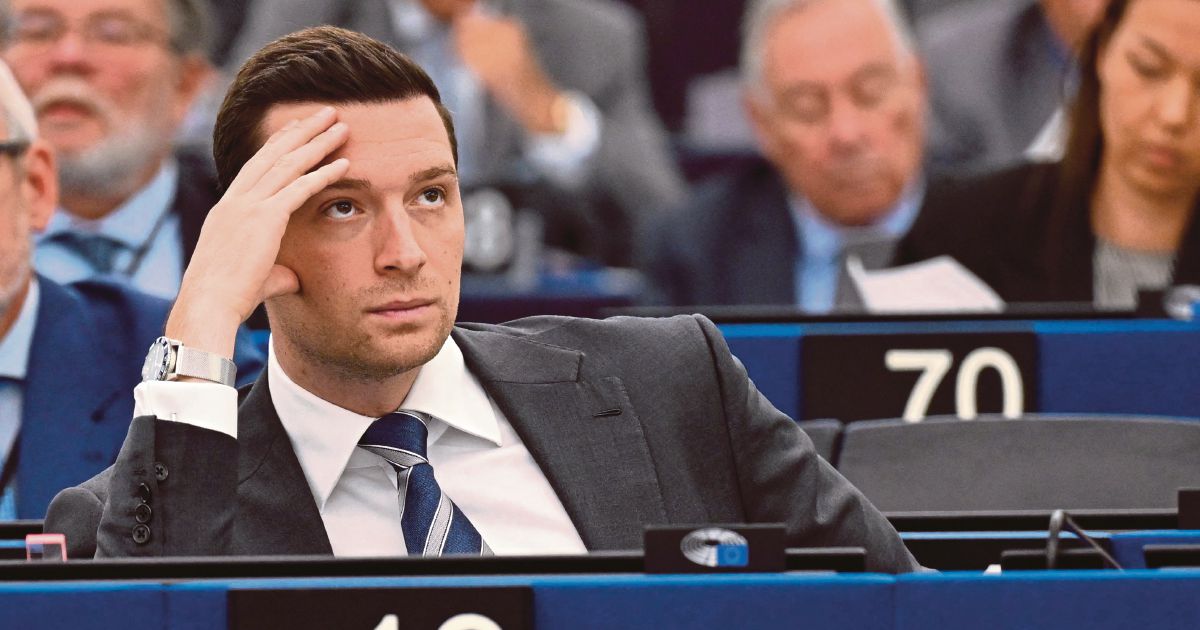
A Paris-based corruption watchdog has initiated formal investigation procedures into claims that Jordan Bardella, France's far-right presidential candidate-in-waiting, once occupied a non-existent assistant position within the European Parliament. The allegations suggest Bardella may have received compensation for duties he did not actually perform during his tenure working with European institutions. His party, the National Rally (Rassemblement National), has unequivocally rejected the accusations as politically motivated and part of a broader campaign to undermine the movement.
The European Anti-Fraud Office (OLAF), operating under the European Commission's authority, is conducting the examination into suspected financial impropriety involving EU funds. The watchdog's decision to formally pursue an inquiry indicates that preliminary allegations have satisfied initial evidentiary thresholds and warrant comprehensive investigation. OLAF maintains broad investigative authority across European institutions and can examine misconduct by elected officials and institutional staff members.
This development arrives during an already contentious political period in France. Bardella has emerged as one of contemporary French politics' most visible figures, spearheading a populist movement that has captured substantial electoral backing from voters expressing disaffection with conventional centrist and centre-left governance models. The probe's timing intensifies scrutiny during a sensitive electoral environment, raising analytical questions about the political atmosphere surrounding investigations into far-right movements across Europe.
From a regional governance perspective, this case demonstrates how the European Union's institutional framework maintains investigative bodies theoretically insulated from direct political interference. The structural independence of OLAF contrasts with arrangements in certain Southeast Asian democracies, where institutional autonomy in anti-corruption investigations occasionally becomes contested during political transitions. The ability of European mechanisms to operate without overt executive pressure offers instructive models, though debates persist regarding whether investigations can remain entirely free from partisan considerations.
Bardella and his party maintain their complete innocence regarding all allegations. National Rally leadership contends that media attention and formal investigations have become systematically weaponised against right-wing political movements throughout Europe. Party representatives characterise the inquiry as an extension of what they describe as coordinated establishment efforts to delegitimise their political platform and restrict their electoral viability.
The parliamentary assistant position in question relates to Bardella's earlier professional engagement within European institutions. Brussels parliamentary assistantships represent standard roles occupied by political advisors, researchers, and support staff with allocated budgets and salary provisions. Given the financial resources attached to such positions, improper compensation claims carry potential legal consequences under established EU financial regulations. Investigation will necessarily examine specific details of what Bardella allegedly accomplished or failed to accomplish within this professional role.
The matter reflects escalating tensions across European politics concerning oversight mechanisms targeting far-right parties and whether institutional scrutiny constitutes legitimate governance or represents targeted political suppression. Germany, Italy, and Hungary have all experienced comparable debates as right-wing movements have achieved increased political prominence. Investigations into such allegations increasingly shape electoral narratives and condition voter perceptions heading toward critical elections.
For regional stakeholders, French political trajectories matter considerably given France's substantial influence within European institutions and international affairs broadly. Bardella's ascendancy represents a potential future governing scenario that could substantially reconfigure France's institutional relationships with the European Union, NATO, and global partnerships. Should the National Rally achieve executive power, transformations in trade approaches, immigration policy frameworks, and defense investment could prove substantial.
The investigation process will probably extend considerably beyond immediate electoral cycles, ensuring that final determinations regarding Bardella's potential liability remain uncertain for extended periods. European examinations into financial misconduct characteristically require years for completion, and political actors regularly contest findings. This prolonged timeline suggests the allegations will potentially influence multiple successive electoral contests while definitive resolution remains pending.
Electoral precedents involving European Parliament staff and budget allocation demonstrate that investigations have historically extended across multiple member states and multiple political ideologies. Previous examinations have touched politicians occupying diverse positions on the political spectrum, though detection patterns and prosecution rates suggest uneven application. This historical context indicates that parliamentary expense scrutiny and assistant position investigations affect numerous officials, though Bardella's case carries amplified visibility given his prominent political position and influence.
For governance considerations in Southeast Asian contexts, this situation illuminates fundamental challenges democratic systems confront when balancing institutional investigative independence against accusations that such processes become captured by prevailing political pressures. Malaysia and comparable regional democracies regularly navigate questions concerning whether anti-corruption bodies function with genuine operational neutrality or reflect dominant political circumstances. European models offer both positive exemplars and cautionary illustrations regarding the maintenance of credible, genuinely independent oversight mechanisms.
The National Rally's growing voter support reflects broader transnational patterns of populist mobilisation against globalisation, immigration, and technocratic governance structures observable across Western democratic systems. The party's evident electoral momentum suggests that allegations and investigations alone may prove insufficient to reverse voter preference without fundamental transformations in policy positions or leadership composition. Electoral outcomes ultimately determine whether investigations substantially influence voter behaviour and political selection.
Moving forward, Bardella's legal exposure and political prospects will remain substantially interconnected. Investigation conclusions could profoundly affect his viability as a presidential contender or potential ministerial appointee. Whether European institutional machinery can conclusively resolve these allegations within timeframes politically relevant to democratic processes represents a central question for French governance in subsequent years.

