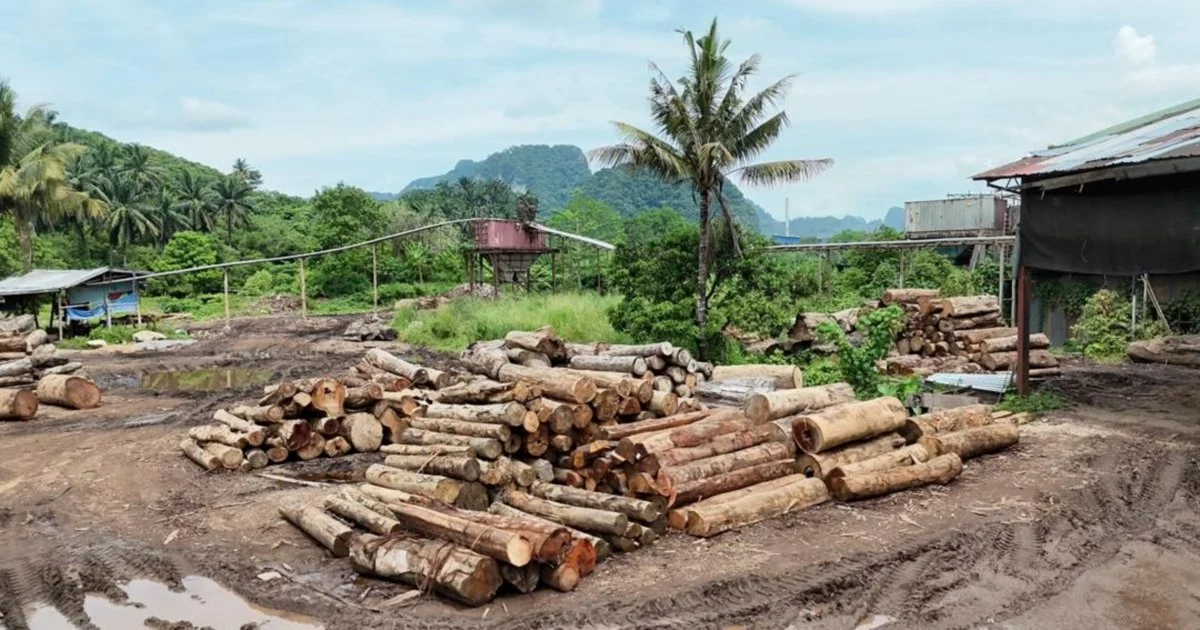
Enforcement operations spanning Kelantan and Terengganu have culminated in a significant crackdown on illegal timber trafficking, with eleven individuals taken into custody and contraband materials worth more than RM2.43 million recovered. Among those apprehended were four Indonesian nationals, suggesting a transnational dimension to the smuggling network that authorities have been investigating.
The coordinated raids represent an escalation in efforts by forest management authorities to combat the persistent trade in illegally felled timber that has plagued the East Coast states for years. Such operations are crucial to Malaysia's commitment to sustainable forestry practices and the protection of its remaining forest reserves, which continue to face mounting pressure from organised poaching and trafficking rings. The scale of seizures—both in monetary value and volume—underscores the magnitude of illicit activity occurring within these two states, which border major timber-rich regions and serve as natural conduits for cross-border smuggling.
The detention of four foreign nationals indicates that enforcement agencies are increasingly targeting the international networks that facilitate timber extraction and export. Indonesian involvement in such operations is particularly significant given the proximity of Sumatra and Kalimantan, regions with their own conservation challenges and economies partly dependent on forestry. The cross-border nature of these networks complicates enforcement efforts, requiring greater coordination between Malaysian authorities and their Indonesian counterparts to disrupt supply chains at source.
Terengganu and Kelantan have historically been hotspots for timber-related offences, combining several risk factors: proximity to forested areas, established smuggling routes to Thailand and other neighbouring countries, and port access that facilitates illegal exports. Both states have invested in strengthening enforcement capacity, yet the continued volume of seizures suggests that demand for illegally harvested timber remains robust, whether for domestic processing or regional export. The machinery seized alongside the timber indicates that suspects may have been operating processing facilities to add value before moving products to market.
The valuation of seized materials at RM2.43 million provides insight into the financial incentives driving such crime. For comparison, legal timber transactions at similar volumes would typically generate legitimate government revenue through licensing fees, export duties, and other fiscal mechanisms. Every enforcement action that removes contraband from circulation represents both an immediate loss to criminal enterprises and a reduction in unfair competition that legal timber operators face from smugglers who operate without compliance costs.
Both Kelantan and Terengganu have forests classified as Permanent Reserved Forests, which are ostensibly protected under state forestry legislation. However, the ongoing seizures reveal the inadequacy of current surveillance and patrol systems in preventing unauthorised felling and transport operations. The dispersed nature of forest cover, combined with limited resources deployed per unit area, creates operational gaps that sophisticated smuggling networks are well-positioned to exploit.
Enforcement success ultimately depends not only on immediate arrests and seizures but on prosecution outcomes and deterrent sentencing. Individuals involved in timber trafficking sometimes face relatively lenient penalties if convicted, creating insufficient disincentive for participation in the trade. Malaysian authorities have advocated for stronger penalties to match the economic stakes involved, though legislative change remains gradual. The detention of these eleven individuals will now move into investigation and potential court proceedings, during which the full extent of the network may become clearer.
Indonesian cooperation is essential to disrupting these supply chains at their origin. Many illegal timber operations in Indonesian territories supplying the Malaysian market involve indigenous communities, smallholders, and organised crime syndicates simultaneously, making simple enforcement approaches inadequate. Malaysian authorities must engage Indonesian provincial governments and federal agencies, as well as timber industry associations, to develop more comprehensive prevention strategies that address root causes of supply-side smuggling.
For Malaysian businesses operating legitimately within the timber sector, these enforcement actions carry positive implications. They signal commitment to levelling the competitive playing field and protecting the value of legally certified timber. Consumers increasingly demand assurance of sustainability, and enforcement against illegal materials ultimately strengthens market confidence in certified Malaysian timber products.
The road ahead requires sustained effort. Timber smuggling networks possess capital, sophisticated logistics networks, and deep knowledge of enforcement weak points accumulated over years of operation. A single enforcement sweep, however successful, addresses only the immediate availability of contraband and disrupts operations temporarily. Authorities must combine short-term enforcement with medium-term intelligence gathering to identify and dismantle the organisational structures and financial flows sustaining these networks across both countries.

