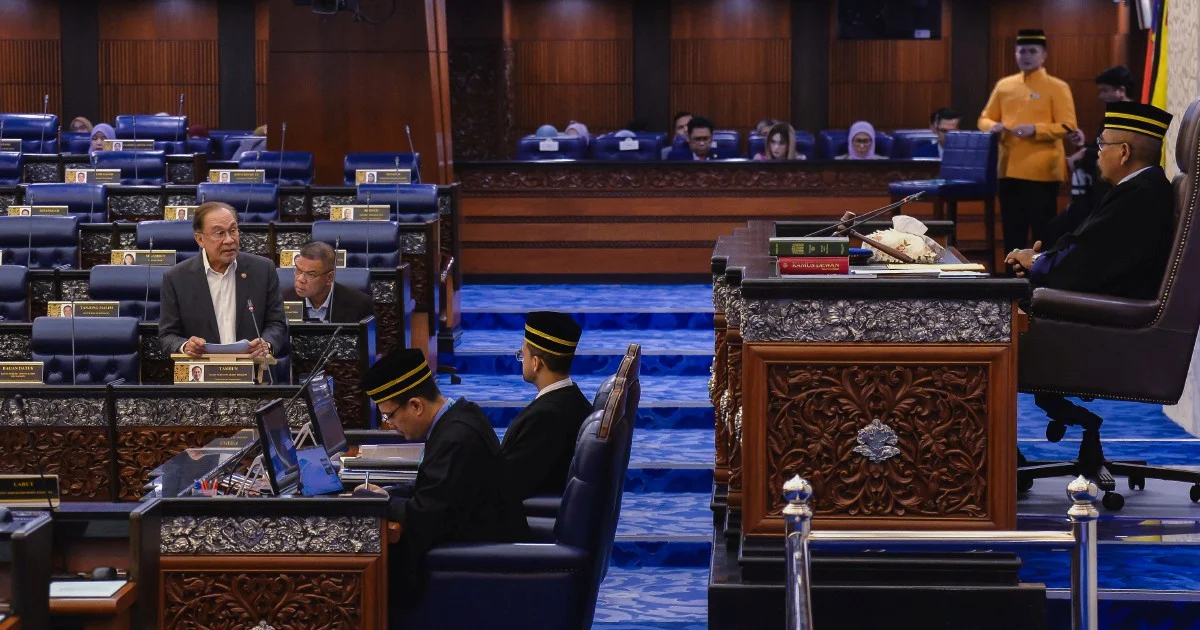
Prime Minister Datuk Seri Anwar Ibrahim has signalled that the Election Commission will enforce strict compliance with electoral guidelines against caretaker governments that make policy announcements or decisions carrying financial consequences, marking a firm stance on maintaining institutional boundaries during election periods.
The commitment underscores growing concerns about the scope of executive action during the interim period between the dissolution of parliament and the formation of a new government. During such transitions, administrations operate in a caretaker capacity with defined limitations on their authority, yet they retain day-to-day operational responsibilities. The tension between these competing demands has historically created ambiguity about what constitutes permissible governance activity.
Financial commitments and policy announcements represent particularly sensitive areas during caretaker periods, as they can influence electoral outcomes or lock in decisions that a successor government may find difficult to reverse. The Election Commission's mandate to ensure fair electoral processes extends naturally to monitoring such actions, though enforcing such oversight requires clear definitions of what crosses the line from routine administration into inappropriate policy-making.
Malaysia's electoral framework has long grappled with defining the precise boundaries of caretaker government authority. Previous administrations have occasionally proceeded with announcements or allocations that sparked debate about whether they contravened established guidelines. By explicitly indicating that the Election Commission will take action, Anwar Ibrahim is attempting to establish clearer expectations before any future caretaker period occurs, potentially reducing disputes about what constitutes breach of protocol.
The Prime Minister's statement reflects awareness that electoral integrity depends not only on the conduct of voting itself but also on the integrity of the transition process. When caretaker governments exercise discretion to announce major policies or make significant financial commitments without clear justification grounded in pre-election necessities, they can distort the electoral process by giving voters incomplete information about competing parties' actual fiscal positions and policy intentions.
Implementation will prove crucial to determining whether this commitment translates into effective oversight. The Election Commission must develop clear criteria for identifying decisions with improper financial implications, distinguishing between necessary operational expenditures and strategic policy choices designed to influence electoral outcomes. This requires judgment, and different interpretations could create disputes about whether specific actions warrant enforcement action.
Regional counterparts provide instructive examples of how caretaker conventions function. Singapore's caretaker government operates under well-established restrictions on major policy announcements, while Indonesia and Thailand have each wrestled with defining appropriate boundaries during transitions. Malaysia's explicit approach to enforcement could strengthen institutional norms across Southeast Asia by demonstrating how electoral commissions can actively monitor and sanction violations.
The statement also carries implications for future administrations, signalling that any government aware of impending elections should carefully scrutinize its spending and policy decisions. This awareness may actually improve governance by encouraging more careful consideration of whether expenditures serve genuine operational necessities or represent political positioning. However, it could also create caution that delays necessary administrative actions during transition periods.
Malaysian voters benefit from enhanced clarity about boundaries during caretaker periods, as it reduces uncertainty about whether electoral processes remain fair. Transparency about what constitutes unacceptable caretaker conduct helps civil society and opposition parties identify and challenge potential violations, strengthening democratic accountability.
The Election Commission's role in enforcing these standards will require sustained independence and adequate resources. The agency must resist political pressure from any direction to either overlook violations or apply standards inconsistently across different parties or administrations. Public confidence in electoral fairness ultimately depends on the Commission's demonstrated capacity to enforce rules without partisan bias.
Looking forward, this position suggests the government recognizes that caretaker periods demand special institutional vigilance. As Malaysia refines its democratic practices, clarifying such boundaries serves the broader goal of strengthening electoral legitimacy and public confidence in transitions of power. The practical application of this commitment in future elections will reveal whether it represents genuine institutional commitment or primarily a rhetorical position.
The Statement reflects growing maturity in Malaysia's approach to democratic transitions, acknowledging that fair elections require more than ballot-day procedures—they demand disciplined governance throughout the entire electoral cycle, including the sensitive period when incumbent administrations retain power but lack popular mandate.

