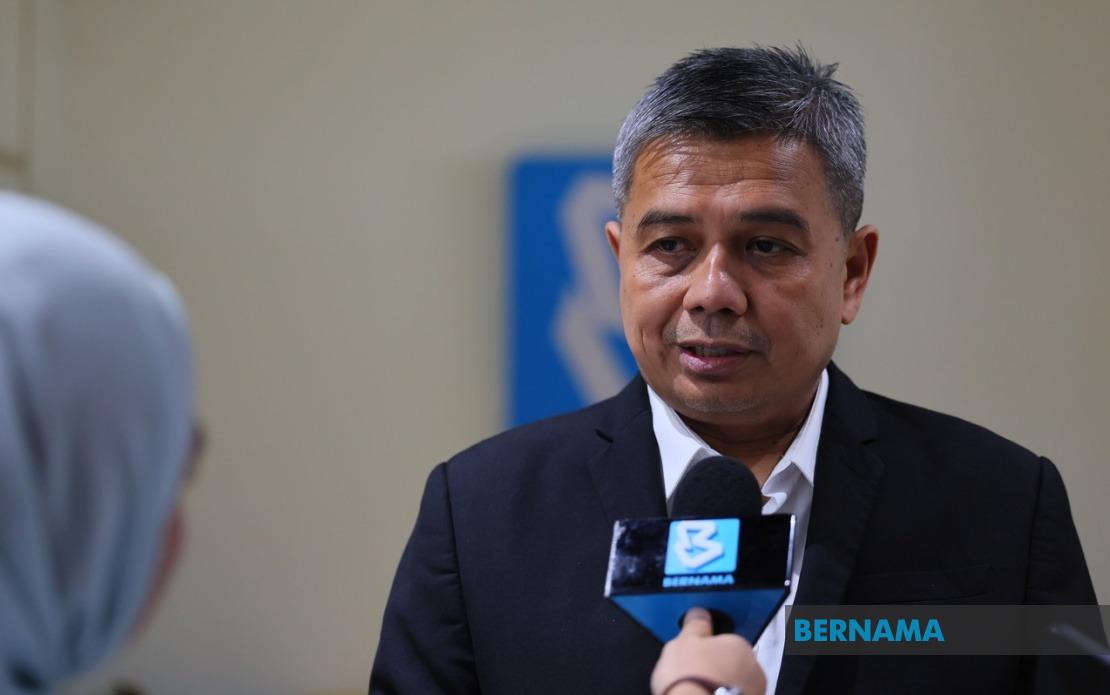
The Election Commission has issued a formal advisory to all prospective candidates contesting the Negeri Sembilan state election, emphasising the importance of administrative preparation ahead of the imminent nomination process. Datuk Khairul Shahril Idrus, the EC secretary, stressed that candidates intending to file their nomination papers should have their forms thoroughly reviewed by either the Returning Officer's Office or the Negeri Sembilan State Election Office to ensure compliance with all procedural requirements and avoid last-minute complications that could jeopardise their candidacy.
Among the critical preparations candidates must complete is the early settlement of their election deposits. The EC has advised prospective contenders to process their financial obligations well before nomination day arrives, with payment receipts serving as essential documentation that must be produced on the day of nomination submission. This advance payment arrangement is designed to streamline the nomination process and prevent bottlenecks at nomination centres across the state.
Candidates representing registered political parties face an additional administrative requirement that distinguishes their process from independent aspirants. These party-backed candidates must prepare and submit a formal letter of authorisation from their respective political organisations, explicitly granting permission to use their party's official symbol during the campaign and on ballot papers. The submission of this authorisation letter forms part of the nomination paper filing process and cannot be overlooked without consequences.
The practical logistics of nomination day have been carefully structured by the Election Commission. Eight nomination centres have been established across Negeri Sembilan, and the submission window operates for a narrow one-hour window between 9 am and 10 am. Candidates may file their papers either personally alongside a proposer and seconder, or through any two of these individuals, or through any single representative authorised to act on their behalf. This flexibility in representation allows candidates some latitude in managing their nomination submissions, though the early hour demands punctuality and advance coordination.
Once candidates have formally paid their election campaign material deposit and entered the official candidacy process, they become subject to the comprehensive provisions of the Election Offences Act 1954 and the regulatory by-laws established by their respective local authorities. These legal frameworks govern candidate conduct throughout the campaign period and carry significant penalties for violations, ranging from financial fines to potential criminal sanctions depending on the nature of any infractions.
The Election Commission has cast a wide net in calling for compliance across all stakeholder groups involved in the electoral process. The advisory emphasises that prospective candidates and their supporting political parties must strictly adhere to all applicable laws, relevant regulations, the EC's established codes of conduct, and official directives issued by the commission itself, local authorities, and the Royal Malaysia Police. This multi-layered compliance requirement underscores the comprehensive nature of electoral regulation in Malaysia and reflects the institutional commitment to maintaining electoral integrity.
The constitutional foundation for this election was established when the Negeri Sembilan State Legislative Assembly was officially dissolved on June 5, following formal consent from Tuanku Muhriz Tuanku Munawir, the Yang Dipertuan Besar of Negeri Sembilan. The assembly comprises 36 parliamentary seats, making this a substantial electoral exercise across the state. The dissolution process represents the formal conclusion of the previous legislative term and initiates the constitutional timeline for holding fresh elections.
The electoral calendar for Negeri Sembilan has now been firmly fixed, with nomination day scheduled for Saturday, July 18. Early voting arrangements have been designated for July 28, allowing designated voters including election officials, law enforcement personnel, and those unable to vote on polling day to cast their ballots in advance. The official polling day has been set for August 1, at which point all registered voters across the state will have the opportunity to elect their representatives for the next legislative term.
For Malaysian voters and political observers, the Negeri Sembilan election holds significance beyond the state level, as it represents a regional test of electoral dynamics and voter sentiment in a strategically important peninsular state. The election will provide insights into contemporary political alignments and the performance of various party organisations in a competitive electoral environment. The conduct of the nomination process itself, with its emphasis on procedural compliance and administrative rigour, reflects the institutional maturity of Malaysia's electoral framework and the Election Commission's commitment to ensuring orderly and lawful conduct throughout the electoral cycle.

