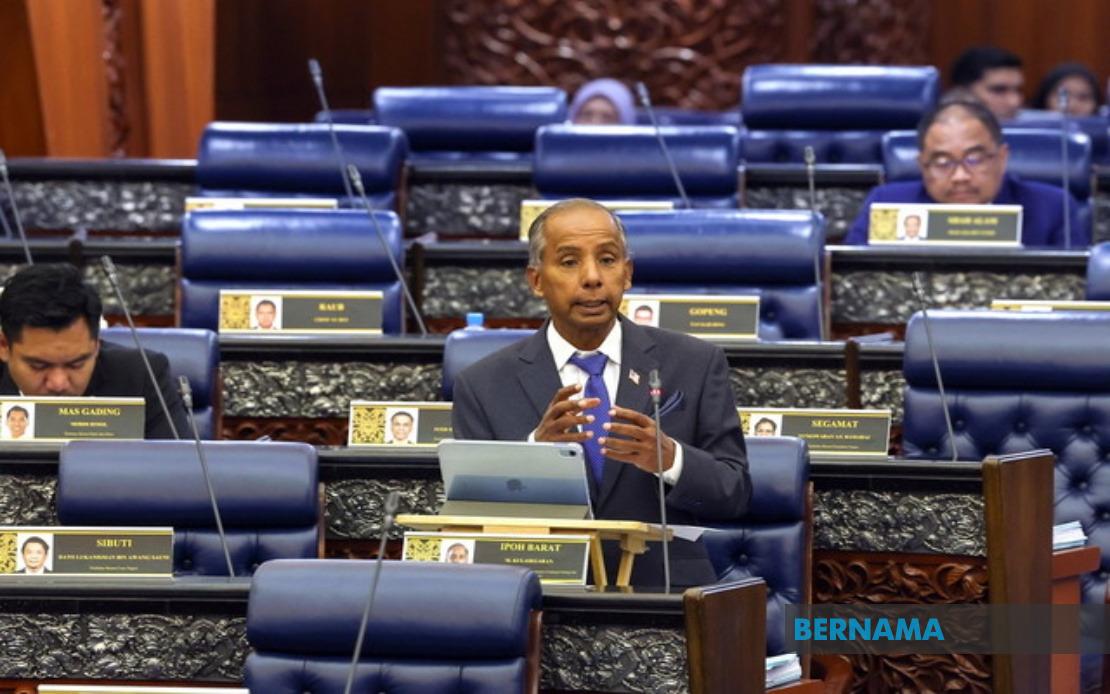
Malaysia's Election Commission is undertaking an extensive evaluation of a proposal to introduce domestic postal voting across Peninsular Malaysia, Sabah and Sarawak, according to statements made during parliamentary proceedings on July 14. The initiative represents a significant potential shift in how Malaysian voters exercise their democratic rights, particularly for those unable to vote in person at their designated polling centres.
Deputy Minister in the Prime Minister's Department (Law and Institutional Reform) M. Kulasegaran outlined the scope and timeline for the examination during a session of the Dewan Rakyat. The comprehensive nature of the review reflects the complexity involved in implementing such electoral changes across Malaysia's diverse geographic and administrative landscape. The study encompasses all three major regions of the country, recognising that postal voting systems must accommodate vastly different operational and logistical challenges ranging from urban centres to remote rural areas.
Kulasegaran emphasised that the review process requires extensive engagement with multiple stakeholders before any definitive course of action can be determined. This inclusive approach necessarily involves consultations with political parties across the spectrum, reflecting the sensitive nature of electoral reforms in a competitive political environment. Any significant change to voting mechanisms carries implications for all participants in Malaysia's democratic process, making broad consensus essential for implementation that maintains public confidence in electoral integrity.
The anticipated completion date for this examination is next year, providing the Election Commission and government officials with sufficient time to evaluate technical feasibility, cost implications, and security protocols. Postal voting systems demand robust safeguards to prevent fraud and maintain ballot confidentiality, considerations that demand rigorous scrutiny before deployment. The timeline also allows for pilot testing or feasibility assessments in selected constituencies if deemed necessary.
The proposal originated from parliamentary inquiry by Isnaraissah Munirah Majilis, representing WARISAN-Kota Belud, who raised the urgent requirement to modernise Malaysia's electoral processes. Her emphasis on transformation reflects broader global trends toward expanding voter accessibility while maintaining systemic integrity. The Kota Belud constituency's geographic characteristics, spanning coastal and interior regions of Sabah, illustrate precisely the demographic and logistical challenges that postal voting could address.
Beyond the postal voting initiative, Kulasegaran indicated the government's receptiveness to restructuring the Election Commission's institutional position. Currently, the EC operates under the Prime Minister's Department, an arrangement that has attracted periodic scrutiny from observers and parliamentary members concerned about the appearance of political proximity to executive authority. The proposal to potentially relocate the commission's oversight to parliamentary jurisdiction addresses longstanding concerns about electoral independence and public perception of neutrality in Malaysia's democratic institutions.
Kulasegaran characterised the suggestion as worthy of serious consideration, indicating that discussions will be escalated to relevant government entities for formal decision-making processes. Such structural reforms would represent a substantial institutional development, potentially enhancing the perceived autonomy and legitimacy of electoral administration. However, implementation would require legislative amendments and careful consideration of practical administrative implications for the commission's operations.
The government also clarified its position on enforcement of restrictions concerning mobile phone usage at polling locations. Previous concerns about inadequate implementation of the ban on mobile devices during voting operations prompted parliamentary inquiry into whether additional regulatory measures were necessary. Officials indicated satisfaction with existing control mechanisms, suggesting that the current framework is deemed adequate for ensuring compliance without requiring amendments to the Election Offences Act 1954.
These developments collectively represent a comprehensive examination of Malaysia's electoral administration and voting accessibility. The combination of postal voting investigation, potential institutional restructuring, and enforcement clarification indicates serious governmental engagement with electoral modernisation. For Malaysian voters, particularly those in geographically isolated areas or facing mobility constraints, the potential introduction of postal voting could meaningfully expand democratic participation.
The implications extend beyond individual convenience to systemic considerations about voter accessibility and public confidence in electoral processes. In Southeast Asia's broader democratic context, Malaysia's approach to electoral innovation carries relevance for regional democracies grappling with similar questions about modernising voting mechanisms while preserving integrity. The deliberate, consultative timeline adopted here suggests a commitment to careful implementation rather than rushed policy changes.
The study's stakeholder engagement approach also establishes a model for bipartisan electoral reform discussions. In polarised political environments, collaborative examination of voting systems can help build consensus around changes that all parties recognise as beneficial for democratic health. Success in this consultation process could establish precedent for future electoral innovations requiring broad political acceptance.
As Malaysia progresses through this examination period, outcomes will likely influence electoral discussions across Southeast Asia. Other regional democracies considering postal voting systems will observe how Malaysia addresses technical, security, and logistical challenges inherent in expanding voting accessibility. The deliberate nature of Malaysia's approach reflects acknowledgment that electoral systems require painstaking attention to detail, with integrity and accessibility representing equally important values in a functioning democracy.

