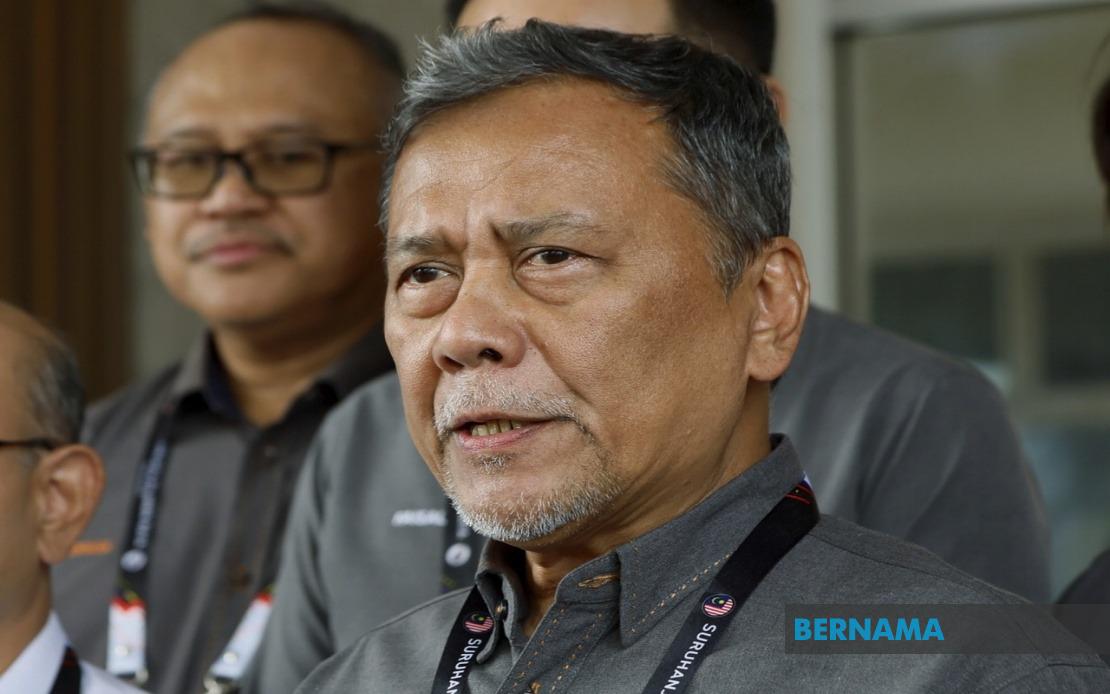
The Election Commission has logged 588 allegations of electoral misconduct during the campaign phase leading up to Johor's 16th state election, according to data released by commission chairman Datuk Seri Ramlan Harun during a press event at Dewan Mahkota, Kem Mahkota, in Kluang. The volume of complaints underscores the intensity of political activity and scrutiny that typically characterises state-level contests in Malaysia, particularly in significant electoral battlegrounds like Johor.
Among the 588 complaints registered, 44 cases have advanced to the formal police investigation stage, representing complaints serious enough to warrant law enforcement intervention. Additionally, the Malaysian Anti-Corruption Commission has received three separate reports connected to alleged electoral violations, suggesting that some of the flagged incidents involve potential breaches of Malaysia's corruption statutes rather than purely administrative election code violations. This division between police matters and MACC referrals indicates the varying nature of allegations, from procedural breaches to potential financial impropriety.
The disclosure came as Ramlan, accompanied by Army Chief General Tan Sri Azhan Md Othman, visited several early polling centres to observe voting procedures. This supervisory approach reflects the commission's ongoing effort to ensure electoral integrity throughout the entire voting cycle, from advance balloting through to election day proper. The presence of military leadership alongside electoral officials underscores the governmental priority assigned to transparent and orderly conduct.
Early voting, a mechanism increasingly central to Malaysian electoral management, saw 20,607 people cast ballots across designated centres. The early electorate comprised two distinct groups: 8,544 members of the Malaysian Armed Forces along with their spouses, and 12,063 police personnel with their spouses. This arrangement acknowledges operational requirements, permitting security and defence personnel to vote before their regular polling day, thereby ensuring their participation despite duty schedules that might prevent standard voting.
The Johor contest itself involves substantial electoral activity, with 172 candidates competing across 56 state seats. This candidate-to-seat ratio reflects the competitive intensity characteristic of Johor politics, where multiple contenders frequently vie for single constituencies. Such competition inherently generates heightened electoral scrutiny and, correspondingly, a greater likelihood of complaints regarding campaign conduct, candidate financing, and promotional activities.
Polling was scheduled for the Saturday immediately following the commission's statement, meaning the election administration was in its final operational phase. The timing of the complaint disclosure—released as voting commenced—provided the electorate with a snapshot of the commission's enforcement activity during the campaign proper. For Malaysian voters weighing their choices, such transparency regarding complaint volumes and investigative action theoretically enables informed assessment of electoral management effectiveness.
The complaints mechanism itself reflects Malaysia's multi-layered approach to electoral regulation. Voters and observers can lodge allegations with the Election Commission directly, which retains investigatory capacity for electoral code violations. Simultaneously, particularly serious allegations flow to civil law enforcement authorities like the police and the MACC, ensuring that potential criminal conduct receives appropriate investigation. This structural separation aims to preserve both the electoral commission's administrative impartiality and the integrity of criminal proceedings.
For Southeast Asian observers monitoring Malaysian electoral practice, the Johor contest represents a significant regional data point. State elections in Malaysia function as important mid-cycle tests of governmental performance and opposition appeal, often generating intensity comparable to federal contests. The complaint volume during Johor's campaign, if consistent with historical patterns, would inform assessments regarding the broader health of Malaysia's electoral ecosystem and public confidence in voting processes.
The involvement of military observation during early voting merits contextual note. In Malaysian governance, the armed forces' visible presence during sensitive civic processes carries particular symbolic weight. The decision to have the Army Chief witness early voting procedures alongside the Election Commission chairman communicated governmental seriousness regarding electoral administration and implicit assurance that defence and security institutions stood committed to upholding democratic processes, a dimension particularly relevant given regional contexts where military intervention in electoral matters remains a historical concern.
Foobar early voting cohorts—military and police families—constitute a meaningful proportion of Johor's electorate. Ensuring their smooth participation addresses both logistical equity and broader inclusivity principles, recognising that security personnel perform essential public functions that warrant accommodation within electoral systems. The successful administration of early voting for these groups, overseen by senior election and military officials, suggested the machinery was functioning as designed.
Looking forward to the main polling day, the complaint patterns documented thus far indicated areas where election officials might concentrate monitoring. The 44 police referrals provided law enforcement agencies with specific matters to investigate, while MACC's three files represented potential corruption angles that extended beyond purely electoral concerns. This triaged complaint processing enabled targeted resources deployment rather than wholesale investigations of the entire electoral apparatus.
For Malaysian voters in Johor and across the country, the complaint disclosure affirmed that institutional mechanisms for reporting suspected electoral violations remained accessible and active. Whether the 588 complaints translated into substantive action or reflected administrative procedures would become apparent in post-election reporting. Nonetheless, the existence of documented complaints and their processing through designated authorities represented a functional safeguard against misconduct, distinguishing competitive elections from contexts where violations proceed entirely unchecked.

