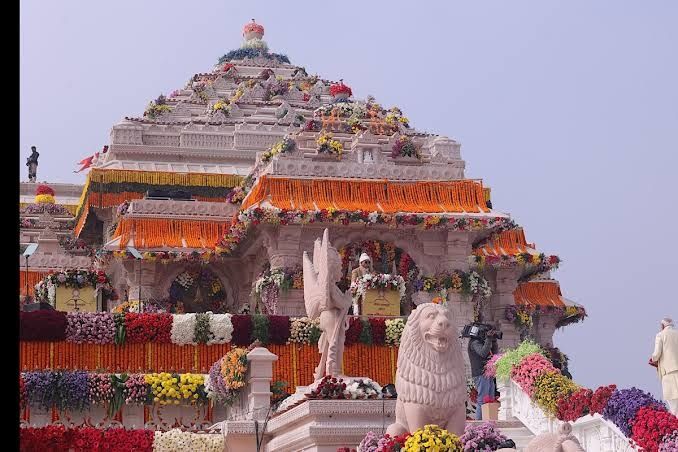
Eight individuals have been arrested by Indian authorities on allegations of systematic theft and embezzlement of donations at the Ram Mandir temple in Uttar Pradesh, marking a significant scandal for one of Hindu India's most symbolically important religious sites. The arrests, announced Thursday following a criminal case registration, target both temple staff and others implicated in the diversion of funds and valuables donated by pilgrims to the newly completed shrine.
The Ram Mandir occupies a position of enormous religious and political significance in contemporary India. Constructed on ground where the Babri mosque stood for centuries, the mosque was demolished in 1992 following a campaign that became a defining moment for Prime Minister Narendra Modi's Bharatiya Janata Party. When Modi himself inaugurated the temple in 2024, the event symbolised the party's rise from opposition into the dominant force in Indian politics, fundamentally reshaping the country's political trajectory away from the secular governance model that had prevailed since independence.
Those arrested are accused of various offences connected to the handling and custody of donations. Most were directly involved in counting and safeguarding cash alongside precious metals including gold and silver offerings made by devotees visiting the temple. The scale of the alleged misappropriation remains officially undisclosed, though Opposition parties and media reports have suggested losses potentially reaching beyond US$20 million—a figure that would represent a substantial fraction of the temple's operational budget and donor contributions.
The implications for donor trust have been immediate and severe. Viti Saxena, a 44-year-old homemaker who had herself contributed to the temple, articulated the distress now felt by many supporters. She expressed both shame at the scandal and genuine doubt about whether her donation had ever reached the temple's coffers, characterising the situation as damaging to India's global reputation and the broader Hindu community's faith in the institution's integrity.
The criminal charges facing the eight suspects encompass multiple serious offences: criminal breach of trust, outright theft, criminal conspiracy and corruption. These charges reflect the authorities' assessment that the diversion of funds was not merely the work of isolated individuals acting alone, but involved coordinated activity among multiple parties. The seriousness of the accusations underscores the breach of sacred trust involved in mishandling offerings intended for religious purposes.
Uttar Pradesh Chief Minister Yogi Adityanath, whose state government established the Special Investigation Team conducting the inquiry, has publicly committed to thorough accountability. His statement pledging that no guilty party would escape justice reflects the political sensitivity surrounding the case, given the temple's central role in the BJP's ideological positioning and electoral success. The government's apparent willingness to pursue senior officials and staff suggests an effort to manage reputational damage through visible enforcement action.
The temple itself represents an extraordinary financial undertaking. Construction consumed an estimated US$240 million in total expenditure, with the entire amount sourced exclusively through public donations gathered by the managing trust. This reliance on voluntary contributions from devotees makes the alleged embezzlement particularly egregious, as it represents a betrayal of the collective faith and generosity of countless individuals who contributed their own money to realise a religious vision.
The theological and historical stakes surrounding the temple cannot be separated from the embezzlement scandal. Hindu devotees believe that the god Ram was born in Ayodhya more than seven thousand years ago, and that the Babri mosque had been constructed over this sacred birthplace by a sixteenth-century Mughal emperor. The demolition of that mosque and subsequent temple construction became a watershed moment for Hindu nationalist mobilisation in India, fundamentally altering the country's political alignment and strengthening the electoral coalition that brought Modi to power.
For Malaysia and other Southeast Asian nations with significant Hindu and Indian diaspora communities, the scandal carries particular resonance. The Ram Mandir holds symbolic importance extending beyond India's borders, representing Hindu cultural and spiritual restoration in the eyes of global believers. The theft allegations risk tarnishing this sacred status and may prompt reflection within diaspora communities about religious institution governance and accountability standards more broadly. Regional Hindu organisations may face increased scrutiny regarding their own financial transparency and donor protection mechanisms.
The investigation's trajectory will carry important implications for Modi's government's credibility on institutional integrity. While the swift arrests suggest responsiveness to wrongdoing, critics may question whether the Special Investigation Team's inquiries have delved sufficiently into senior management structures and whether any organisational failures in oversight will be adequately addressed. The scale of alleged losses and the apparent involvement of multiple perpetrators suggest systemic weakness in financial controls at an institution of extraordinary public importance.
As the legal proceedings develop, the case will likely influence how donors worldwide perceive temple management and financial stewardship. The incident underscores that even the most symbolically significant religious institutions remain vulnerable to internal corruption, and that spiritual importance provides no automatic protection against the administrative failures that permit embezzlement. For Hindu communities globally and in Southeast Asia, the coming trial outcomes will serve as an important test of whether accountability can be achieved when institutional prestige and political sensitivity intersect.

