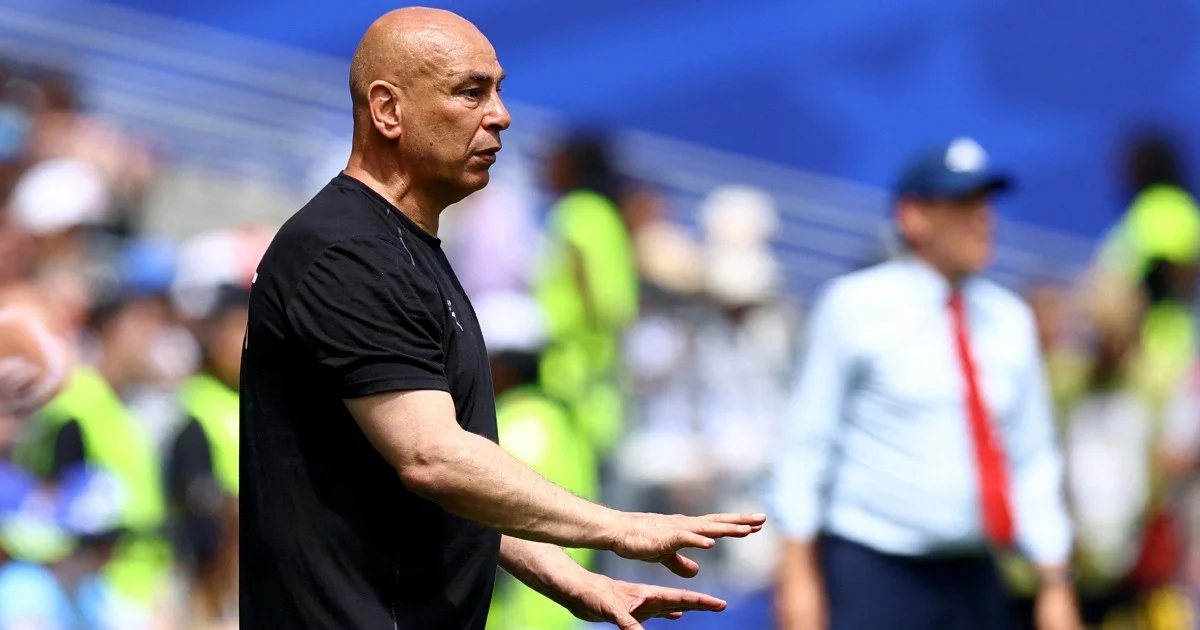
Hossam Hassan has moved swiftly to extinguish speculation about internal turmoil within Egypt's World Cup squad, particularly regarding the involvement of their talismanic forward Mohamed Salah. Speaking ahead of the Pharaohs' pivotal Group G clash against New Zealand on Sunday at BC Place in Vancouver, the Egyptian coach firmly rejected suggestions of any breakdown in relations or morale issues that might undermine the team's tournament ambitions.
The timing of Hassan's comments reflects growing media scrutiny surrounding Salah's role within the squad and his interaction with coaching staff during the tournament. Such narratives can quickly spiral in the pressurised environment of international football, especially when a nation's World Cup hopes rest heavily on a single player's shoulders. By issuing an unequivocal denial, Hassan appears intent on controlling the discourse and maintaining focus on the sporting challenge ahead.
Salah's presence in the Egypt squad represents both an enormous asset and a management challenge for any coach. The Liverpool winger's world-class ability to create and score goals makes him indispensable to the team's attacking plans, yet his status as a global superstar can occasionally create complications in squad dynamics. Hassan's intervention suggests he recognises the importance of publicly reinforcing unity to prevent any wedge from forming between the star player and his teammates.
The match against New Zealand carries immense significance for Egypt's tournament trajectory. Group G includes several formidable opponents, and securing three points would provide crucial breathing room in the standings. A positive result would allow Egypt to approach their subsequent fixtures from a position of relative strength, whereas defeat would intensify pressure and narrow the margin for error in their remaining games.
For Malaysian and regional football fans, Egypt's World Cup campaign holds particular interest given the strong links between Southeast Asian and Middle Eastern football communities. Many Malaysian supporters follow major tournaments with keen attention to how Asian nations and their neighbours perform on the global stage. Egypt's success story represents an inspiration for smaller football nations aspiring to competitive World Cup participation.
The New Zealand encounter presents a unique tactical scenario. The All Whites have their own World Cup aspirations and will approach the match as an opportunity to prove themselves against a traditionally stronger footballing nation. This creates a dynamic where Egypt cannot afford complacency, despite their elevated status in world rankings. New Zealand's determination could test Egypt's defensive organisation and transition play.
Hassan's managerial approach appears focused on creating an environment where elite players like Salah can thrive without the distraction of off-field controversies. By publicly affirming squad cohesion, the coach sends a message to both his players and the broader football community that internal politics remain firmly secondary to collective objectives. This kind of messaging proves particularly valuable when navigating the intense scrutiny that accompanies World Cup participation.
The coach's authority relies partly on his ability to manage individual egos while maintaining group discipline. High-profile denials of internal rifts must be backed by consistent team selections and tactical decisions that appear fair and strategically sound. Should any subsequent developments contradict Hassan's current statements, credibility erosion could rapidly undermine his standing with both players and supporters.
For Egypt's supporters, reassurance about squad stability offers psychological comfort during a tournament known for producing unexpected outcomes. The collective memory of previous World Cup campaigns, some ending in disappointment, makes fans naturally anxious about potential problems within the squad. Hassan's firm rejection of discord narratives helps stabilise supporter sentiment during these crucial opening matches.
The broader football context also matters. International tournaments frequently generate speculation and rumours, particularly around star players and their relationships with coaching staff. Media outlets and social media platforms amplify such stories, sometimes beyond their actual significance. Hassan's proactive stance attempts to cut through noise and establish a clear narrative: the squad functions harmoniously and focuses entirely on football matters.
New Zealand's coach and staff will have studied Egypt's press conferences and media interactions searching for any tactical or psychological clues. By projecting confidence about internal harmony, Hassan attempts to present a unified front that competitors cannot exploit. Conversely, any visible cracks in squad unity become immediately apparent to opposing teams who might seek psychological advantages.
Moving forward, the results on the pitch will ultimately determine whether Hassan's squad stability claims prove justified. Football ultimately judges managers on outcomes rather than rhetoric. Should Egypt progress smoothly from their group, today's denials will fade from memory. Conversely, early elimination would inevitably invite re-examination of whether tensions Hassan dismissed had genuine substance.

