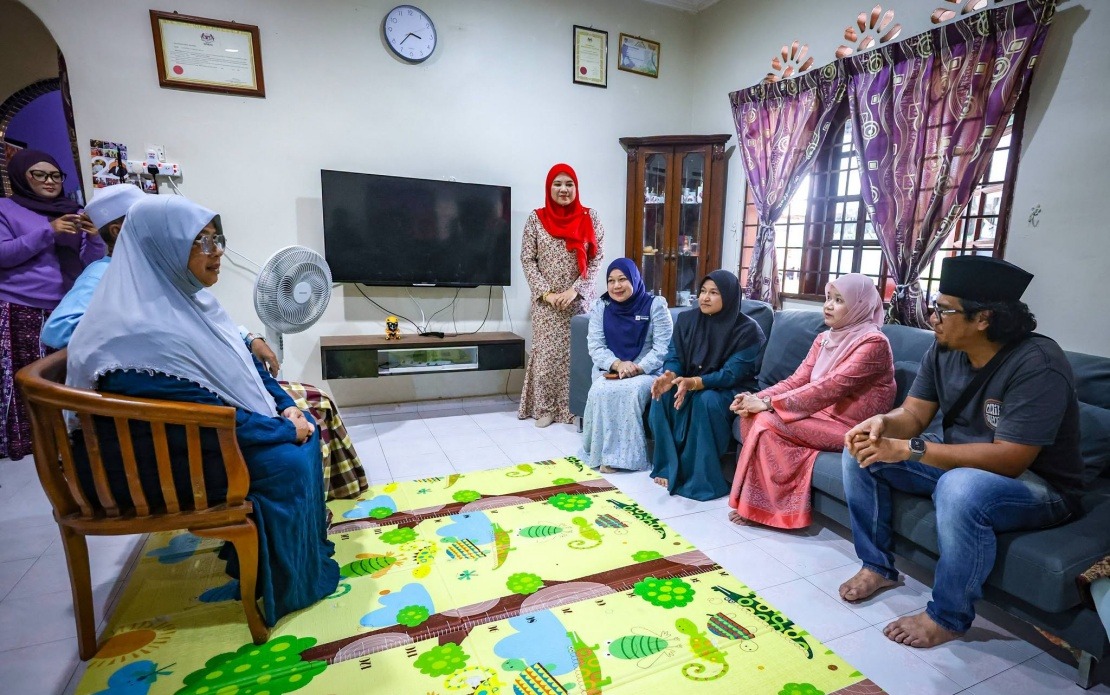
Education Minister Fadhlina Sidek has paid a personal visit to the family of Muhammad Raiyan Nufael, a Form Two student who died after collapsing during a rugby training session at a school in Telok Mas, Melaka. The minister travelled to the family's home on June 26 to extend formal condolences on behalf of the Ministry of Education (MOE) and its personnel, underscoring the gravity with which the education leadership is treating this tragic incident.
The 14-year-old student collapsed during the Wednesday evening training session, which took place at approximately 6 pm. What makes this incident particularly troubling is that the teenager had only participated in about 15 minutes of the rugby session before experiencing acute shortness of breath. The symptoms emerged while the student was listening to instructions delivered by the coach following a scheduled training break, suggesting the collapse occurred during a relatively low-intensity phase of the activity.
In her Facebook post documenting the visit, Fadhlina expressed her sympathies to the bereaved family, stating: "May the soul of the late Muhammad Raiyan be placed among the righteous, and may his family be granted strength and patience in facing this test." The minister's decision to visit in person rather than issuing a statement reflects the Ministry's acknowledgement of the tragedy's significance and the need for direct engagement with affected families during such circumstances.
The incident raises important questions about student safety during extracurricular sporting activities in Malaysian schools. Rugby, while increasingly popular in secondary schools across the nation, carries inherent physical risks that demand robust safeguarding protocols. The fact that the student collapsed during a relatively brief training session, and during a moment of relative inactivity following a break, suggests that underlying medical factors may have been at play. Without medical clarity on the cause of death, school administrators and sporting bodies will face heightened scrutiny over their preparedness to handle medical emergencies.
Malaysia's school sports programmes have historically operated with varying levels of medical oversight. Most secondary schools maintain basic first-aid capabilities, but not all have sports-specific protocols or qualified medical personnel stationed at training venues. The incident at Telok Mas will inevitably prompt a review of whether current safety standards are adequate, particularly for contact and collision sports such as rugby that place significant physiological demands on young athletes.
The tragedy also invites broader reflection on how Malaysian schools balance student welfare with the benefits of competitive sports. Rugby has gained traction in secondary education partly because it teaches discipline, teamwork, and resilience—values that align with broader educational objectives. However, these benefits must be weighed against the responsibility to ensure that participation does not expose students to unacceptable medical risks, particularly for those with undiagnosed underlying conditions that could be exacerbated by vigorous physical activity.
Parents across Malaysia will be closely monitoring how the Ministry responds to this incident. Many families rely on schools to provide safe sporting environments where their children can develop physically and mentally. When a student loses his life during a training session, it inevitably erodes parental confidence and raises uncomfortable questions about whether all necessary precautions were in place. The Ministry's response will likely include directives to schools regarding medical screening before participation in contact sports, ensuring trained personnel are present at training sessions, and reviewing emergency response protocols.
The timing of the incident—on a Wednesday evening during routine training—underscores that tragedies can occur during ordinary school activities, not just during high-stakes competitive matches. This reality should prompt Malaysian schools to treat training sessions with the same level of medical preparedness they might reserve for major sporting events. The presence of a trained first responder or school nurse, access to defibrillation equipment, and clear emergency evacuation procedures should be non-negotiable standards across all schools.
From a regional perspective, this incident will likely influence how other Southeast Asian countries approach student athlete safety. Malaysia, as a relatively developed nation with established school sports infrastructure, has an opportunity to set standards that prioritise medical safeguarding without discouraging youth participation in rugby and other contact sports. The findings from any formal investigation into Muhammad Raiyan Nufael's death may provide valuable lessons for school administrators across the region grappling with similar challenges.
The Ministry of Education's engagement with the family signals that accountability and transparency will be expected as investigations proceed. Fadhlina's visit, while a gesture of respect and sympathy, also represents an implicit commitment to ensure that this tragedy leads to meaningful improvements in how schools approach student safety during sports training. The focus must now shift to determining what systemic or procedural factors contributed to this outcome and what changes are necessary to prevent similar incidents in the future.

