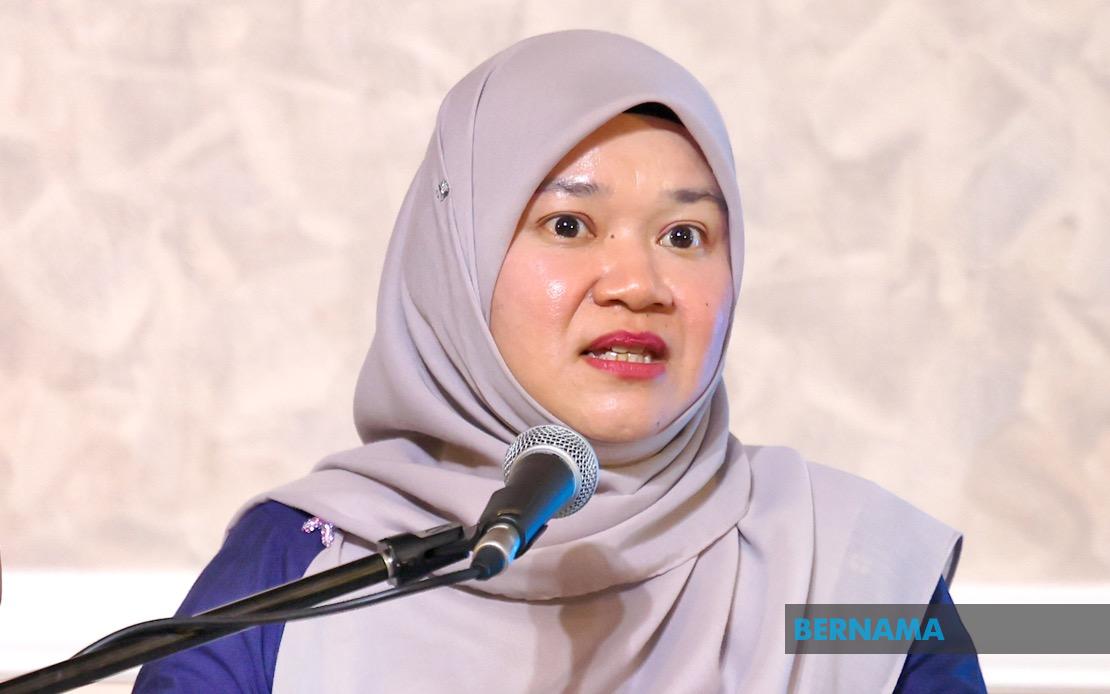
Education Minister Fadhlina Sidek, who chairs PKR Wanita, has formally lodged a police report in response to the widespread distribution of a manipulated video that makes baseless claims against her character. The incident underscores growing concerns about the deployment of artificial intelligence technology to create false content targeting public figures, particularly women in political leadership roles.
The PKR Wanita chief characterised the video's circulation as a deliberate smear campaign designed to damage her professional standing and personal reputation. In her statement, Fadhlina expressed deep disappointment at the nature of the false allegations contained within the manipulated content, emphasising that such tactics represent a troubling trend in Malaysian politics.
In submitting her report to police authorities, Fadhlina called upon law enforcement to conduct a thorough investigation into the creation and distribution of the video. She stressed the importance of bringing perpetrators to justice and signalled her expectation that investigators would pursue the matter with the rigour that defamation cases demand.
Beyond her immediate response, Fadhlina used the opportunity to highlight a systemic problem affecting women in Malaysian political life. She appealed to all stakeholders—including political parties, civil society organisations, and government bodies—to take an uncompromising stand against slander, character assassination, and sexually-motivated harassment that targets female politicians. Her intervention reflects frustration with what many observers view as a persistent pattern of gender-based attacks in the country's political discourse.
The filing of this police report arrives at a moment when Malaysian society is grappling with the implications of increasingly sophisticated digital manipulation technologies. Deepfake and AI-generated content has become more difficult to distinguish from authentic material, creating new opportunities for bad-faith actors to weaponise false information. The absence of comprehensive legislation specifically addressing such technology-enabled defamation leaves victims like Fadhlina reliant on existing frameworks that may not fully account for modern realities.
For Malaysia's political ecosystem, the incident raises important questions about digital literacy and platform accountability. Social media networks, where such content typically spreads most rapidly, have historically moved slowly in addressing coordinated campaigns of misinformation targeting individual politicians. The burden of responding to such attacks has largely fallen upon the victims themselves, who must navigate police investigations while simultaneously managing the reputational damage that occurs during the investigative period.
Fadhlina's prominence as both Education Minister and head of PKR's women's wing makes her a particularly visible target. Her position places her at the intersection of policymaking and party politics, spheres where reputational attacks can have tangible professional consequences. The targeting of senior women politicians through fabricated videos also reflects broader anxieties about women's advancement in positions of authority across Southeast Asia, where such campaigns often intensify precisely when women gain ground in political representation.
The response from law enforcement will be closely monitored, as it may establish precedent for how Malaysian authorities handle deepfake and AI-generated defamatory content. Previous cases involving manipulated images and false information have sometimes proceeded slowly through the justice system, raising concerns about whether existing legal remedies can adequately deter future perpetrators or provide timely relief to victims.
Fadhlina's explicit call for institutional responses beyond police investigation suggests she recognises that enforcement alone cannot address the scale of the problem. Political parties, she implies, should develop internal codes of conduct explicitly prohibiting the creation or sharing of manipulated content targeting fellow members. Educational institutions might incorporate media literacy into curricula, helping younger Malaysians develop critical thinking skills around digital content. Technology platforms themselves face implicit pressure to invest in detection and removal systems that can identify AI-generated defamatory material before it achieves viral spread.
The incident also illuminates gender dimensions of digital harassment that often escape mainstream political discourse. Men in political office certainly face false allegations and defamatory campaigns, yet women politicians report being targeted disproportionately with sexualised false content. This gendered pattern of abuse reflects and reinforces barriers to women's full participation in political leadership, as potential candidates may be discouraged by the prospect of becoming targets for such campaigns.
Moving forward, Fadhlina's case may catalyse broader conversations within Malaysian government and Parliament about whether current legal frameworks sufficiently protect public figures from technology-enabled defamation. Legislators may face pressure to introduce measures specifically addressing deepfakes and AI-generated false content, distinguishing them from traditional defamation which assumes some basis in manually-created or naturally-occurring material. Such legislation would require careful calibration to protect genuine political speech and satire while targeting malicious falsehoods.
For women in Malaysian politics more broadly, Fadhlina's public stance represents an important assertion that such campaigns will not go uncontested. By immediately engaging law enforcement and publicly rejecting the allegations while simultaneously broadening her critique to systemic issues, she models a response that refuses to accept such harassment as an inevitable cost of holding office. Whether her police report ultimately results in prosecutions remains uncertain, but her willingness to pursue formal channels sends a signal that such behaviour carries potential legal consequences.

