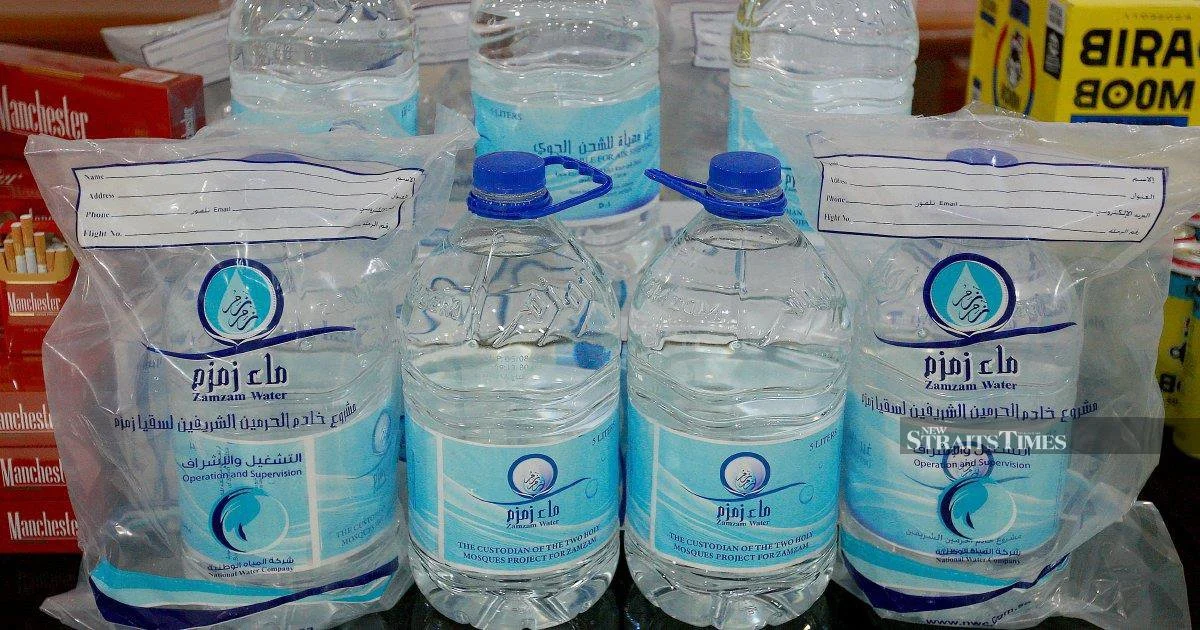
An e-hailing driver in Klang has been ordered to pay a hefty fine of RM101,750 after a Magistrate's Court found him guilty of importing prohibited goods in the form of zam-zam water. The case centres on an illegal shipment of 5,500 bottles that entered Malaysia through West Port in Klang approximately five years ago, highlighting ongoing enforcement challenges at the country's major gateways.
The conviction underscores Malaysian authorities' commitment to regulating the importation of religious items and substances, even when they appear innocuous on the surface. Zam-zam water, sourced from the sacred well in Mecca, holds deep spiritual significance for Muslims worldwide and commands premium prices in retail markets. However, Malaysia maintains strict controls over its import to ensure quality standards, prevent counterfeit products, and protect domestic religious commerce from unregulated supply chains.
This case is part of a broader pattern of enforcement actions targeting illicit imports through Malaysia's principal ports. West Port, one of Southeast Asia's busiest maritime facilities, processes hundreds of thousands of containers annually, making it both a critical economic asset and a potential vulnerability for smuggling operations. The five-year lag between the alleged offence and conviction suggests the complexity of investigating such cases, particularly when they involve goods that do not immediately raise security red flags.
The defendant's occupation as an e-hailing driver suggests he may have been involved in a small-scale operation or acted as a distributor rather than the primary importer. This pattern—where individuals from service-sector backgrounds become entangled in contraband schemes—reflects how grey-market goods infiltrate Malaysian communities through networks that exploit personal connections and informal distribution channels. The substantial fine imposed signals that courts take such violations seriously regardless of the perpetrator's primary profession.
Enforcement of import regulations on religious items requires Malaysian customs authorities to balance security concerns with respect for religious practice. The government has long struggled with differentiating between legitimate personal imports of zam-zam water for individual consumption and commercial shipments intended for resale without proper authorisation. This case demonstrates that even substantial quantities face prosecution under existing regulations.
The quantum of the fine—RM101,750—appears calibrated to reflect both the volume of goods seized and the seriousness of circumventing import procedures. For an individual e-hailing driver, such a penalty represents a significant financial burden and serves as a deterrent to others considering similar ventures. The court's decision sends a clear message that ignorance of import regulations offers no defence, and that participation in prohibited goods trafficking carries real consequences.
Zam-zam water distribution in Malaysia has been a contentious issue for several years. The government recognises the demand among Muslim consumers for authentic water from the holy well, yet seeks to prevent the market from being flooded with counterfeit or substandard products that could damage Malaysia's reputation or mislead believers. Official channels for zam-zam water import exist, but they are tightly controlled and require proper licensing and certification.
This conviction also reflects the evolving nature of smuggling tactics in Southeast Asia. Rather than focusing exclusively on high-value contraband like electronics or luxury goods, traffickers increasingly target niche religious and cultural items that generate consistent demand within specific communities. The relatively low per-unit value of water bottles means that the 5,500-unit shipment would have generated substantial profit only through bulk distribution, suggesting an organised effort rather than casual trading.
The five-year timeline from import to conviction raises questions about resource allocation within Malaysian enforcement agencies. While pursuing such cases eventually yields results, the delay may reflect the lower priority accorded to prohibited religious goods compared to narcotics or weapons. Nonetheless, authorities have demonstrated that they will pursue cases to conclusion, even when years have elapsed since the original infraction.
For the broader Malaysian e-hailing community, this case serves as a cautionary tale about the legal risks of participating in side businesses involving importation without proper authorisation. Many gig economy workers seek to supplement their income through informal trading, but this conviction demonstrates that engaging in prohibited goods distribution, regardless of the product's seemingly innocuous nature, can result in substantial penalties and permanent criminal records.
Looking forward, this case underscores the need for clearer public communication about zam-zam water regulations and the legitimate channels through which religious items may be imported. Many Malaysians may be unaware that importing certain quantities of zam-zam water requires specific approvals, potentially inadvertently exposing themselves to legal liability when purchasing from informal sources. The Klang Magistrate's Court decision will likely be referenced in future enforcement actions and may encourage stricter surveillance of religious goods shipments passing through Malaysian ports.

