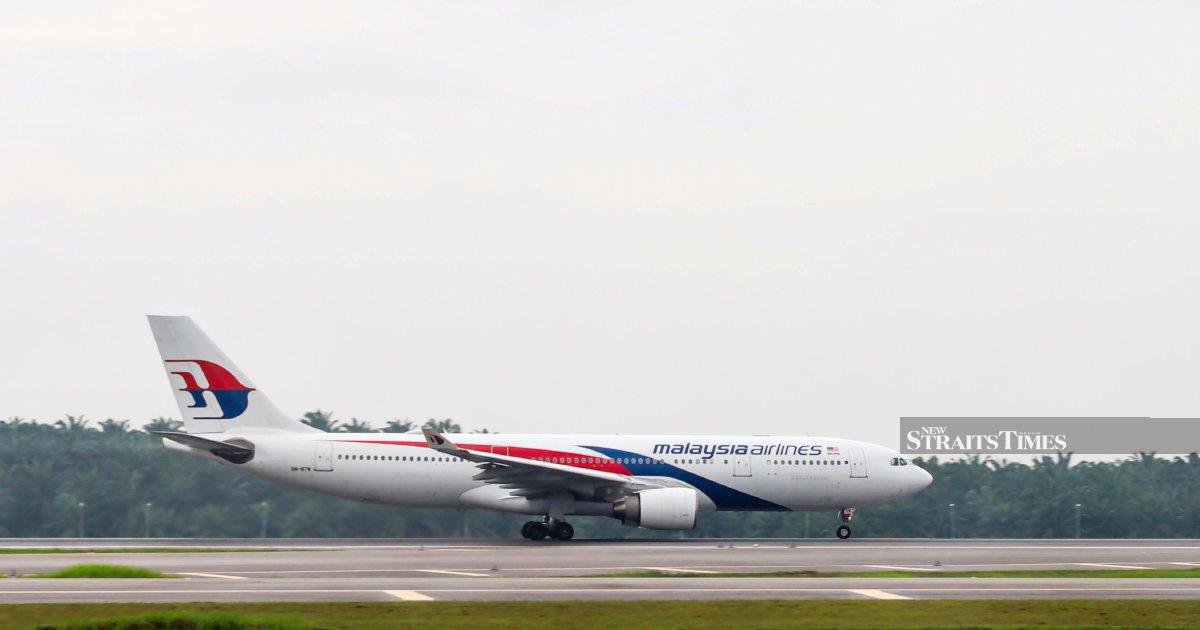
The detention of a Malaysia Airlines pilot in Indonesia on suspicion of involvement in drug smuggling has triggered fresh scrutiny of security protocols and oversight mechanisms at Kuala Lumpur International Airport, with aviation specialists warning that the incident reflects systemic vulnerabilities in how the region's largest aviation hub operates. The case has elevated concerns among industry observers about the effectiveness of existing checks and balances meant to protect both airport operations and the travelling public, raising questions about whether current security frameworks are adequately equipped to identify potential misconduct among flight personnel.
Aviation authorities and security practitioners across Malaysia are reassessing what the incident reveals about institutional weaknesses at KLIA. The detention highlights a troubling gap between the theoretical safeguards that exist on paper and their practical implementation in day-to-day airport operations. Experts suggest that the pilot's alleged involvement in illicit activities may have gone undetected because screening mechanisms—whether at pre-flight checks, personnel vetting processes, or routine security patrols—either failed to function as designed or were not sufficiently rigorous to catch behavioural or procedural anomalies that should have raised red flags.
The broader aviation safety ecosystem in Malaysia faces pressure to demonstrate that it can prevent such incidents from occurring. Aviation oversight bodies typically employ a multi-layered approach involving background investigations, fitness-to-fly assessments, and random security audits; yet the pilot's case suggests these mechanisms may contain blind spots. Whether the individual involved passed through standard vetting procedures without triggering alerts, or whether monitoring systems were not sufficiently alert to suspicious patterns, points to structural challenges that require urgent attention from both Malaysian aviation authorities and airport management.
KLIA, as Southeast Asia's primary international aviation gateway and a hub of significant regional importance, operates under intense scrutiny. The airport processes millions of passengers annually and serves as a connecting point for travellers across the region and beyond. Any security vulnerability at the facility carries implications far beyond Malaysia's borders; it affects the confidence of airlines, passengers, and regulatory bodies throughout Southeast Asia in the integrity of operations based at or transiting through the airport. International carriers depend on KLIA's security reputation when deciding whether to operate flights through the hub or route traffic elsewhere in the region.
The detention in Indonesia underscores the increasingly transnational nature of aviation-related security threats. Individuals employed by Malaysian carriers may attempt to exploit their position and access to engage in activities that span multiple jurisdictions. The fact that the alleged smuggling operation involved movement across borders demonstrates how personnel with legitimate roles in aviation systems can become vectors for illicit activity. This reality places a premium on intelligence-sharing between Malaysia's aviation authority, Customs authorities, and international partners, particularly neighbouring countries and regional aviation bodies.
Personnel screening practices at airlines themselves must now face scrutiny alongside airport security measures. Malaysia Airlines, as the operator involved, will likely face questions about the adequacy of its own internal monitoring systems, pre-employment checks, and ongoing fitness assessments for flight crew. The airline industry globally has long grappled with the challenge of identifying personnel who may pose risks; most systems focus on technical competence and medical fitness, leaving potential behavioural or criminal intent as harder-to-detect variables. The pilot's case raises the question of whether Malaysian carriers have sufficient resources and training to identify personnel potentially engaged in criminal activity.
Regulatory bodies overseeing aviation in Malaysia will probably move toward tightening existing protocols or implementing additional screening layers. This could include enhanced background investigations into the personal financial situations and associations of flight personnel, closer liaison between Civil Aviation Authority of Malaysia and law enforcement agencies, or more frequent random audits of crew conduct and compliance with operational rules. Such measures, while potentially more burdensome, reflect the reality that security cannot be maintained through systemic inertia alone.
The incident also highlights vulnerabilities in the broader supply chain around international aviation. Airports serve as nodes in complex webs of ground handling, catering, cargo management, and crew transport operations. Any one of these touchpoints represents a potential vulnerability if security oversight is inconsistent or inadequate. The fact that a pilot with airline credentials could allegedly move contraband suggests that airport perimeter security, internal access controls, or screening at cargo and crew entry points may benefit from strengthening. Malaysia's airport authority will likely face pressure to justify existing security investments and demonstrate that they are proportionate to actual risks.
From a regional perspective, the case carries implications for how Southeast Asian aviation authorities coordinate on security matters. Malaysia, as home to one of the region's most significant aviation hubs, has a vested interest in demonstrating that it takes security seriously. Neighbouring countries observing the incident and the official response will factor this into their own assessments of risk associated with routing traffic through KLIA. Airlines based in or operating through regional competitors may exploit the incident as a marketing angle to suggest superior security postures. Malaysia thus faces both a domestic imperative to restore confidence and a regional competitive need to demonstrate that incidents like this are exceptions rather than symptoms of systemic failure.
The aviation sector remains one of the most heavily regulated industries globally, yet the pilot's arrest proves that even mature regulatory systems can miss threats that exist within their own ranks. Addressing the vulnerabilities exposed by this case will require a comprehensive review involving KLIA management, Malaysia Airlines, the Civil Aviation Authority of Malaysia, enforcement agencies, and international partners. The objective must be to harden security architecture without creating friction that compromises the airport's role as a regional aviation hub—a delicate balance that will test the competence and coordination of Malaysia's aviation leadership in coming months.

