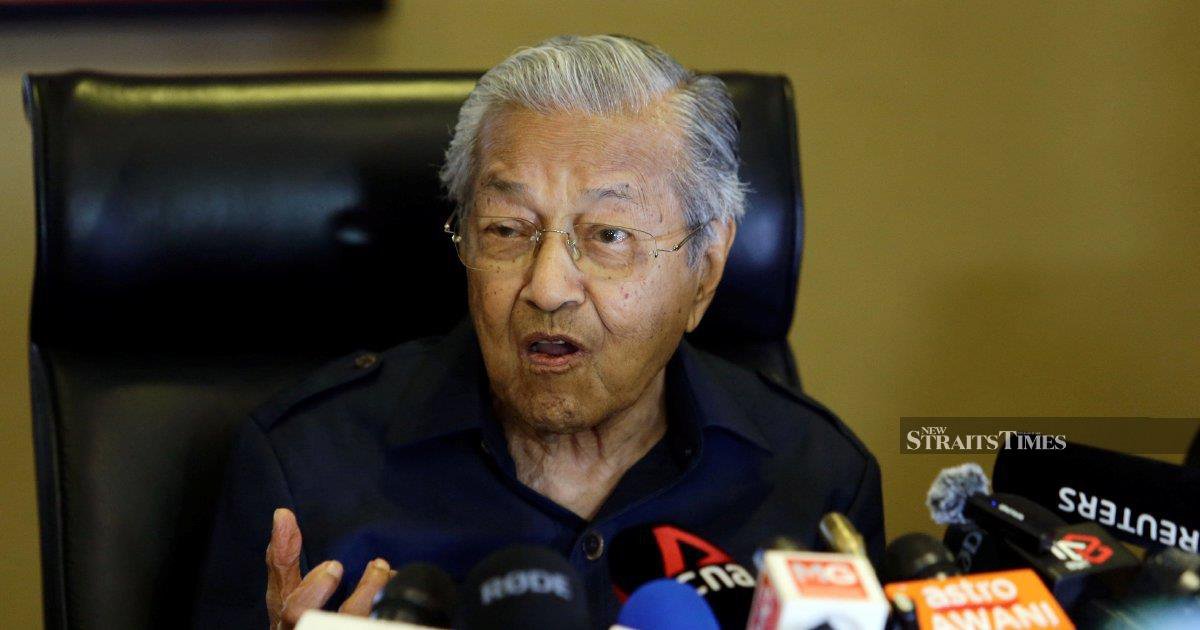
The Shah Alam High Court is preparing to receive a critical health assessment on Friday that will determine whether former Prime Minister Tun Dr Mahathir Mohamad can continue pursuing his RM150 million defamation case against Prime Minister Datuk Seri Anwar Ibrahim. The medical report will provide the judicial system with formal documentation of the nonagenarian's current condition and his fitness to engage in the protracted legal proceedings.
This development marks a significant juncture in a case that has captured considerable public attention given the prominence of both parties in Malaysian politics. Dr Mahathir, who led the nation for two separate terms spanning over two decades, launched the defamation suit against his successor in the Prime Minister's office. The substantial quantum of damages sought—RM150 million—underscores the gravity with which the former statesman regards the alleged harm to his reputation.
The necessity for a formal medical evaluation reflects the practical realities of conducting complex litigation involving an elderly litigant. High courts routinely require such assessments when advancing age or health considerations might impact a party's capacity to participate meaningfully in court proceedings. For Dr Mahathir, at an advanced stage of life, questions regarding his stamina and mental acuity are not matters of mere procedural formality but essential considerations for ensuring justice is appropriately served.
The case itself carries substantial historical weight within Malaysian politics. Relations between Dr Mahathir and Anwar have long been characterised by significant tension and public disagreement on matters of governance, political direction, and personal conduct. Their judicial confrontation represents one of the most visible disputes between two former prime ministers in the country's recent political history, attracting scrutiny from legal analysts, political observers, and the general public alike.
Delaying mechanisms within the Malaysian legal system often accommodate legitimate health concerns, particularly in cases involving senior citizens. The High Court's decision to await medical documentation before proceeding further demonstrates judicial sensitivity to both procedural fairness and practical constraints. Such pauses in litigation are designed to prevent injustice that might arise from forcing an unwell individual to participate in demanding courtroom activities.
The implications of the Friday assessment extend beyond Dr Mahathir's individual circumstances. Should the medical report indicate limited capacity for continued participation, the court faces complex decisions regarding case management. Options might include postponement until improved health permits engagement, modification of procedural arrangements to accommodate medical limitations, or potentially more substantial alterations to the litigation timeline.
For observers of Malaysian politics and law, this case exemplifies how the nation's judicial system handles disputes at the intersection of personal grievance and public interest. The litigation has already generated considerable debate regarding acceptable standards of political speech, the distinction between legitimate criticism and actionable defamation, and the appropriate remedies for alleged reputational harm in democratic discourse.
The RM150 million claim itself represents a substantial assertion of damages, reflecting Dr Mahathir's position regarding the severity of any alleged defamatory statements. In defamation law, quantum of claimed damages often signals the plaintiff's assessment of reputational injury and consequential harm. Such significant figures typically suggest assertions of widespread dissemination and profound damage to professional standing or public reputation.
The postponement necessitated by health concerns also raises practical questions about litigation management in cases involving elderly parties. Malaysian courts, like judicial systems globally, increasingly confront situations where advancing lifespan intersects with complex legal proceedings. Developing appropriate mechanisms to balance individual health requirements with legitimate rights to pursue justice represents an ongoing challenge for contemporary legal systems.
As the High Court prepares to receive the medical report, attention will likely focus on whether Dr Mahathir demonstrates sufficient fitness to continue meaningful participation in the case. The assessment will probably address his cognitive capabilities, stamina for courtroom attendance, and capacity to instruct legal representatives effectively. These elements are fundamental to ensuring that any eventual judgment reflects fair adjudication of the substantive disputes between the parties.
The case's progression also reflects broader dynamics within Malaysian politics, where personal disputes among senior figures occasionally migrate into the formal legal arena. Such litigation occupies a distinctive space in public discourse, simultaneously representing private grievance and matters of general political significance. The country's legal system continues navigating appropriate standards for addressing such cases while maintaining the integrity of judicial processes.
Friday's medical update therefore constitutes not merely a procedural matter but a pivotal moment determining whether this high-profile defamation dispute will advance toward substantive hearing or face further substantive delays. The court's handling of such health-related considerations will likely influence how Malaysian jurisprudence approaches comparable cases involving elderly litigants in coming years.

