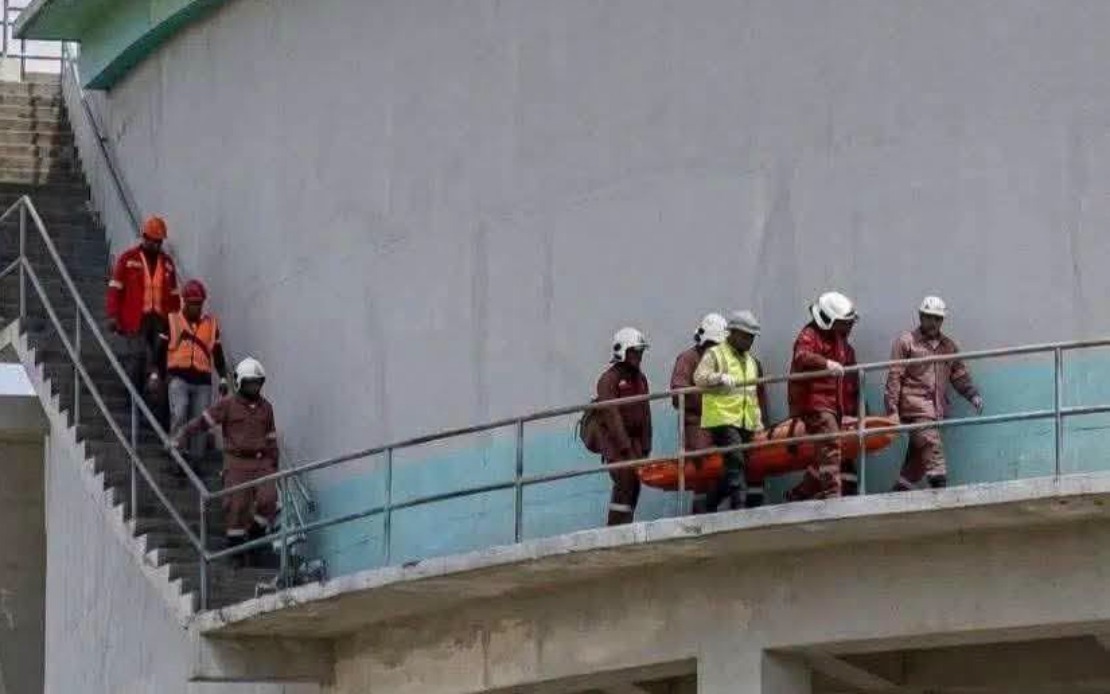
The Department of Occupational Safety and Health (DOSH) has launched a formal investigation into a workplace fatality that claimed the life of an industrial trainee during water tank cleaning operations at Menara Saujana Perdana 1 in Sungai Buloh, Selangor on June 16. The incident has prompted renewed scrutiny of safety protocols in confined-space work, a category of operations that routinely poses significant risks to workers across Malaysia's industrial and commercial sectors.
DOSH director-general Hazlina Yon confirmed that investigators dispatched from the Selangor office had already visited the accident site and implemented a preservation notice prohibiting unauthorised activity or alterations at the location. This procedural step is standard in fatal workplace cases and ensures that physical evidence remains undisturbed pending the completion of forensic assessment and analysis. The agency has simultaneously begun the lengthy process of gathering testimonies from individuals who witnessed or were present during the incident.
The investigation is being conducted under the framework established by Sections 15, 17 and 18 of the Occupational Safety and Health Act 1994, legislation that mandates employers, self-employed contractors, and other relevant parties to maintain safe work environments and protect the wellbeing of employees and anyone else who might be affected by workplace activities. These sections form the legal spine of occupational safety enforcement in Malaysia and carry significant penalties for non-compliance.
Hazlina's statement underscores that any breaches of occupational safety legislation identified during the investigation will trigger proportionate enforcement measures. Such actions could range from improvement notices and prohibition orders to criminal prosecution and substantial fines, depending on the severity and nature of violations uncovered. The regulatory response signals DOSH's commitment to holding organisations accountable when workplace safety standards are compromised.
The fatality serves as a stark reminder of the hazards inherent in confined-space work, a category encompassing water tanks, sewers, storage vessels, and other enclosed environments where oxygen depletion, toxic gas accumulation, and other invisible dangers frequently occur. For Malaysian employers and safety managers, the incident reinforces the absolute necessity of implementing rigorous protocols before any worker enters such spaces. These protocols must include obtaining appropriate work permits, conducting atmospheric testing, establishing proper ventilation systems, and positioning trained rescue personnel at the worksite.
Hazlina emphasised that all workplace operations must adhere to established safe work procedures before commencement, with particular emphasis on activities classified as high-risk. Employers bear primary responsibility for identifying potential hazards specific to each task, evaluating the likelihood and consequences of those hazards, and implementing control measures proportionate to the risks identified. This risk assessment process must occur before work begins, not after incidents occur.
The regulatory environment in Malaysia places specific obligations on employers regarding worker training and supervision. Hazlina stressed that industrial trainees and newly recruited personnel assigned to hazardous operations must receive comprehensive occupational safety and health instruction covering both general workplace protocols and task-specific hazards. Such training must be reinforced with regular briefings, and workers must be placed under supervision by individuals who possess the technical knowledge and experience to identify unsafe conditions and intervene appropriately.
The competency of supervisory staff emerges as a critical factor in preventing workplace fatalities. Supervisors must understand the specific dangers posed by confined-space entry, recognise early warning signs of distress, and be equipped to execute emergency response procedures. A supervisor lacking such knowledge cannot effectively protect workers or respond to evolving danger, rendering the supervisory role merely nominal rather than protective.
Beyond the immediate investigation, Hazlina used the incident as an occasion to remind the broader Malaysian business community of their obligations under occupational safety legislation. Employers must view safety not as a compliance burden but as a fundamental business responsibility comparable to financial accountability. This cultural shift requires organisations to allocate adequate resources to safety programmes, invest in training and supervision, and foster workplace cultures where workers feel empowered to raise safety concerns without fear of retaliation.
The incident also highlights the importance of extending safety protections to all categories of workers, including vendors and contractors. In Malaysia's increasingly outsourced labour landscape, responsibility for worker safety sometimes becomes ambiguous when contractors or temporary staffing agencies are involved. Hazlina's emphasis on employer accountability regardless of employment arrangements clarifies that companies cannot delegate their safety obligations to third parties; they remain legally and morally responsible for everyone working at their sites.
For Malaysian businesses, particularly those in construction, manufacturing, and facilities management sectors where confined-space work is common, this investigation signals that regulatory scrutiny will intensify following serious incidents. Organisations without comprehensive safety management systems face significant legal exposure and reputational damage. The investigation's ongoing nature means that determinations about causation and liability remain forthcoming, but the pattern of incidents in this high-risk sector suggests that sector-wide improvements are overdue.
The fatality at Sungai Buloh joins a concerning collection of workplace deaths in Malaysia that might be preventable through rigorous application of existing safety standards. While DOSH's enforcement actions can only address violations after the fact, the investigation may yet yield insights that inform industry guidance and push organisations toward proactive safety investments. For the worker's family and colleagues, however, no enforcement action will restore what has been lost.

