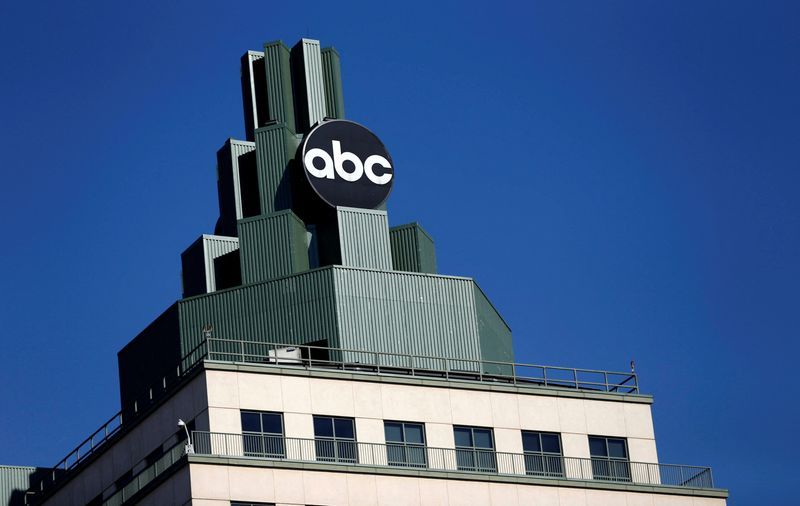
The Walt Disney Company and its ABC broadcast division have escalated their dispute with the Federal Communications Commission by filing a lawsuit in U.S. District Court in Washington this week, seeking to halt an accelerated review process for eight ABC television stations' broadcast licenses. The legal challenge represents a significant clash between media corporate interests and government regulatory authority, with broad implications for press freedom and editorial independence in the United States.
Disney's complaint centres on allegations that the FCC, under the Trump administration, has initiated an unprecedented early license review motivated by political retaliation rather than genuine regulatory concern. The company argues that this action deliberately targets ABC's editorial and programming decisions, particularly content deemed critical of or unfavourable to the current administration. Disney characterises the FCC's conduct as an "extraordinary assault on free speech" designed to coerce the network into abandoning shows or news segments that the Trump administration views as hostile. This framing shifts the dispute from a routine licensing matter into a constitutional question about governmental power to influence media content through regulatory threat.
The context surrounding this confrontation extends back several years and reveals a pattern of escalating tension between Trump and Disney-ABC. The president has repeatedly demanded that the FCC revoke ABC's broadcast licenses, with recent pressure applied after the network declined to air a prime-time speech on elections that Trump sought to broadcast. Last month's incident involving late-night host Jimmy Kimmel prompted Trump to call for the personality's dismissal, followed by his push for the broadcaster to lose its licenses entirely. This history establishes a clear pattern that Disney's legal team argues demonstrates retaliatory intent rather than principled regulatory action.
The FCC has justified its early review by citing a year-long investigation into alleged unlawful discrimination stemming from Disney's diversity policies—a claim the company categorically denies. FCC Chair Brendan Carr, who ordered the reviews in April, has stated that he is enforcing the agency's public interest obligation for broadcasters using public airwaves, arguing the FCC has failed to properly exercise this authority for decades. However, the timing and circumstances raise important questions: the early review marks the first such action undertaken by the FCC in more than fifty years, and the stations' licenses were not scheduled for regular renewal consideration until October 2028, rendering the acceleration highly unusual.
U.S. District Judge Loren AliKhan has taken the case seriously by issuing an order requiring both Disney and the FCC to propose a schedule for considering Disney's request for a temporary restraining order. The judge has also instructed the FCC to notify the court if it intends to initiate license revocation proceedings. This judicial intervention prevents the FCC from proceeding with immediate action and creates space for legal arguments to be aired before any regulatory steps advance further. Disney and ABC specifically requested swift issuance of a temporary restraining order to halt the license renewal proceedings entirely and prevent the FCC from scheduling formal hearings.
The broader regulatory context makes this dispute particularly consequential. Broadcast stations require FCC licenses to operate on public airwaves, and while actual license revocations are extraordinarily rare in practice, the mere threat of losing a license can exert powerful pressure on editorial decision-making. Critics contend that allowing regulatory threats to influence programming choices opens a dangerous pathway for government interference in journalism and entertainment production. Networks currently enjoy broad First Amendment protections regarding their programming choices, and this case will test whether those protections hold firm against regulatory coercion.
Democratic FCC Commissioner Anna Gomez has publicly sided with Disney's position, characterising the agency's actions as "a campaign of censorship and control" using license revocation threats as punishment for speech the administration opposes. This internal dissent within the FCC underscores the political dimension of the dispute and suggests that regulatory action may not reflect genuine public interest concerns but rather ideological disagreements about acceptable broadcast content.
The investigation into ABC's daytime talk programme "The View" adds another dimension to the controversy. The FCC has suggested the show may violate federal rules requiring broadcasters to offer equal opportunities to political candidates. Disney has noted that since February, the programme has ceased inviting political candidates to appear, explicitly citing pressure from the FCC's "pressure campaign." This example demonstrates how regulatory threats can alter editorial behaviour even without formal license revocation, effectively achieving content control through intimidation rather than transparent legal process.
For Malaysian and Southeast Asian observers, this dispute carries important lessons about media independence and regulatory capture. The case illustrates how populist administrations may weaponise regulatory agencies to punish unfavourable media coverage, a pattern some countries in the region have experienced. The willingness of courts to intervene and the existence of First Amendment protections represent institutional safeguards that merit study by journalists and media advocates working in jurisdictions with weaker constitutional protections. The outcome will influence whether democracies can maintain meaningful separation between political power and media regulation.
FCC Chair Carr has maintained that he has made no final decisions regarding license revocation, stating the agency will "follow the facts and the law and keep moving forward." However, his earlier statement that "Disney seems to be a little nervous about what the record's showing" suggests determination to proceed with investigation regardless of constitutional concerns. The tension between Carr's framing of regulatory duty and the company's characterisation of political retaliation will likely occupy courts for months or years ahead.
The Trump administration has not officially commented on the lawsuit, though the White House's silence does not diminish the significance of the underlying dispute. Media regulation in the United States has generally emphasised content neutrality and protection for editorial judgment, principles that appear increasingly contested in contemporary political divisions. This case will ultimately determine whether those constitutional and regulatory safeguards can withstand coordinated pressure from executive officials determined to influence broadcast content.

